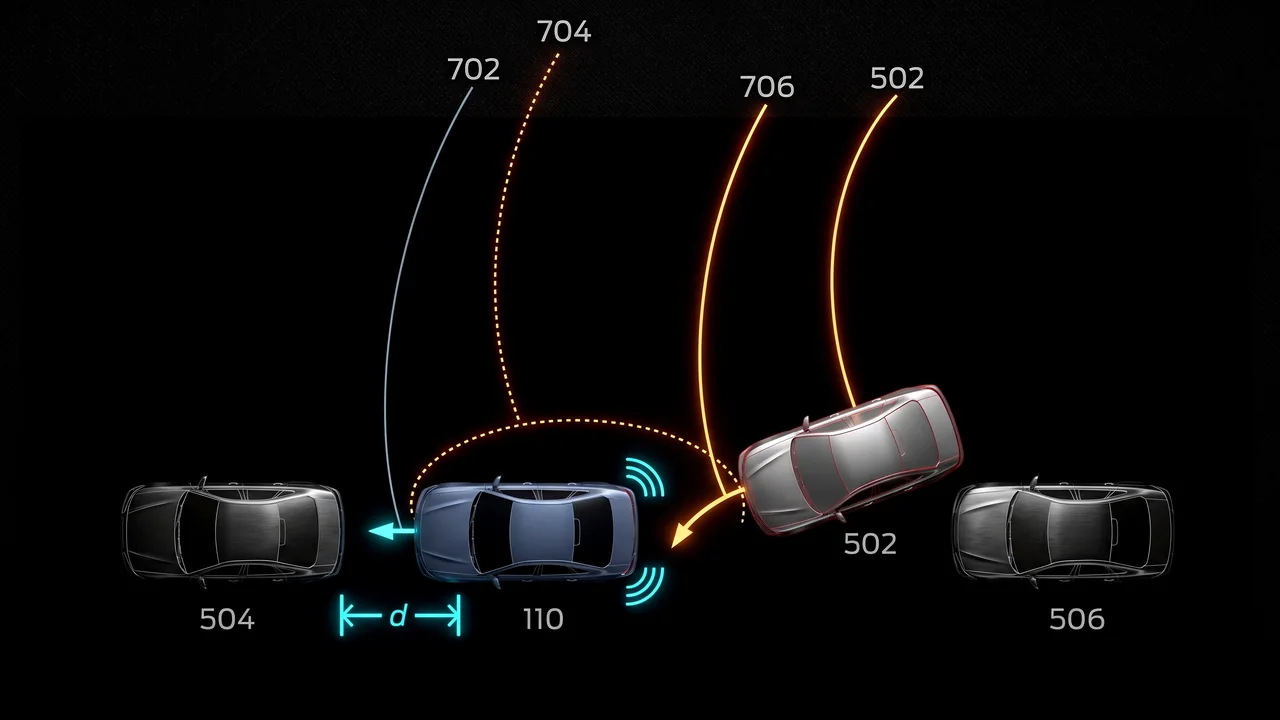
The automotive industry is taking steps towards the development of autonomous vehicles, with Ford filing a patent for a smart parking system. According to the patent application, the system would use sensors and cameras to detect when a vehicle is parked in a way that could block pedestrian paths or create other hazards. The system would then adjust the vehicle's position to avoid these hazards, allowing it to park itself without human intervention.
This technology has the potential to reduce parking congestion in urban areas, where finding a parking spot can be a major challenge for drivers. By enabling vehicles to park themselves, this system could help alleviate some of the pressure on city streets and make urban transportation more efficient.
The patent application outlines several key features of the smart parking system, including the use of sensors and cameras to detect obstacles and adjust the vehicle's position accordingly. The system would also be able to communicate with other vehicles and infrastructure to optimize parking spaces and reduce congestion.
Ford is not the only company working on autonomous vehicle technology, but this patent application suggests that the company is serious about developing a smart parking system that could be integrated into its vehicles. Other companies such as Waymo and Tesla are also working on similar technologies.
The development of self-driving cars and smart parking systems like this one could have a significant impact on urban transportation and traffic flow. By enabling vehicles to park themselves, these systems could help reduce congestion and make cities more livable for drivers and pedestrians alike.
However, the implementation of autonomous vehicle technology will require significant investment in infrastructure and education. Governments and companies will need to work together to develop standards and guidelines for the safe deployment of self-driving cars on public roads.
The potential benefits of smart parking systems like this one are clear, but they also raise important questions about ownership and control. Who should be responsible when a vehicle parks itself and causes damage or injury?
As the automotive industry continues to evolve towards autonomous vehicles, it's likely that we'll see more patents and innovations like this one emerge. The development of smart parking systems could be just the beginning of a new era in urban transportation.
The future of transportation is likely to be shaped by technologies like self-driving cars and smart parking systems. As these technologies become more widespread, they will have a significant impact on our cities and our daily lives.
Ford's patent application for a smart parking system is an important step towards the development of autonomous vehicles. By enabling vehicles to park themselves, this technology could help reduce congestion and make urban transportation more efficient.
The development of self-driving cars could lead to a significant reduction in parking-related accidents and congestion.