

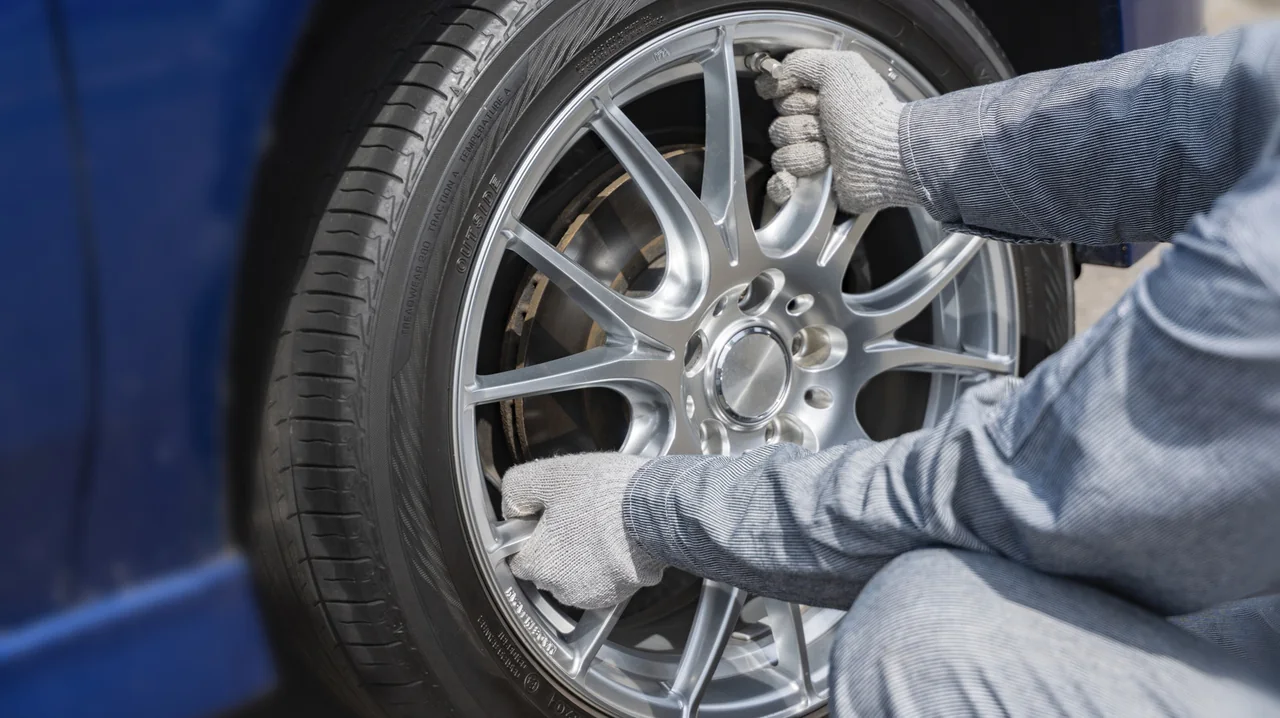
New tires have a unique break-in period that requires gentle driving and proper maintenance. Unlike car engines, which need oil changes during the initial stages of use, new tires require a different approach. The break-in period for new tires is designed to allow lubricants and antioxidants to wear off, enabling optimal traction and grip.
This process is crucial for ensuring the longevity and performance of new tires. Driving too aggressively or making sudden movements can cause unnecessary wear on the tire's tread, leading to reduced lifespan and potentially compromising safety.
Tire manufacturers apply various chemicals and agents to molds during the manufacturing process, which affect the tire's traction and grip. The break-in period allows these chemicals to dissipate, allowing the tire to perform at its best.
The recommended break-in period for new tires varies among manufacturers, with some suggesting a few hundred miles and others recommending 300-500 miles of gentle driving.
It is essential to maintain correct air pressure during the break-in phase, as underinflated or overinflated tires can lead to uneven wear and potentially cause overheating. Regular checks and adjustments are necessary to ensure optimal tire performance.
The break-in period for winter tires, including studded models, requires special attention due to their unique tread design and stud configuration. Gentle driving and proper maintenance are crucial to ensure the tire's traction and grip on snowy or icy surfaces.
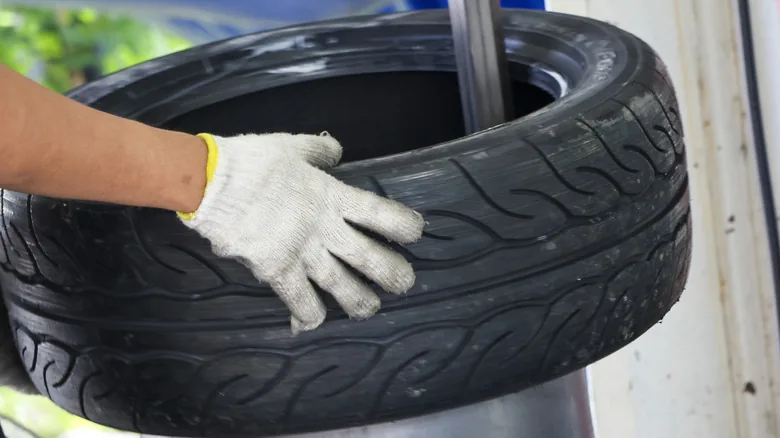
Driving below the speed limit and avoiding aggressive braking during the break-in phase is recommended. Additionally, it is essential to avoid tailgating or following too closely to prevent accidents.
Properly maintaining new tires requires attention to detail and a willingness to follow manufacturer guidelines. By doing so, drivers can enjoy optimal performance, safety, and longevity from their new tires.
The break-in period for new tires allows lubricants and antioxidants to wear off, enabling optimal traction and grip.