European automakers are exploring options to sell their factories to Chinese companies, providing them with a foothold in the European market. Stellantis has already confirmed plans to build Leapmotors at its Spanish site and is considering selling several of its European factories to Dongfeng, a longtime partner of the automaker. This move could give Chinese brands an easy way into the EU market, potentially disrupting the traditional sales dynamics between European and Asian companies.
Several legacy brands, including Ford and Volkswagen, are also reportedly planning to sell their plants in Europe to Chinese companies. The sale of these factories would likely provide Chinese brands with access to new technologies and manufacturing expertise, enabling them to expand their presence in the EU market. This trend could have significant implications for the automotive industry, particularly in terms of supply chain management and competition.
The transfer of ownership of Stellantis's plant in Villaverde, Madrid, has been confirmed, with the Spanish subsidiary of its Leapmotor joint venture set to take over operations. This move is part of a broader strategy by Stellantis to strengthen its presence in Europe through partnerships with Chinese companies. The production ties between Stellantis and Dongfeng are expected to continue, with several other brands considering similar deals.

Chery, a Chinese brand, has already acquired a former Nissan plant in Barcelona, Spain, which will enable it to build up to 200,000 vehicles annually. This acquisition demonstrates the growing interest of Chinese companies in acquiring European manufacturing capacity. The sale of this factory would likely provide Chery with a significant competitive advantage in the EU market.
Nissan is reportedly considering selling its Sunderland, UK, plant to either Chery or Dongfeng. This move could further consolidate Chinese brands' presence in Europe and create new opportunities for collaboration between these companies. However, the sale of this factory would also likely lead to job losses and impact local communities.
The sale of Ford's assembly line at its Valencia, Spain, plant to Geely has been confirmed, with the company set to build a multi-energy vehicle using its Global Intelligent New Energy Architecture. This model is expected to be offered with hybrid, plug-in hybrid, and electric powertrains, providing customers in Europe with access to new technologies.
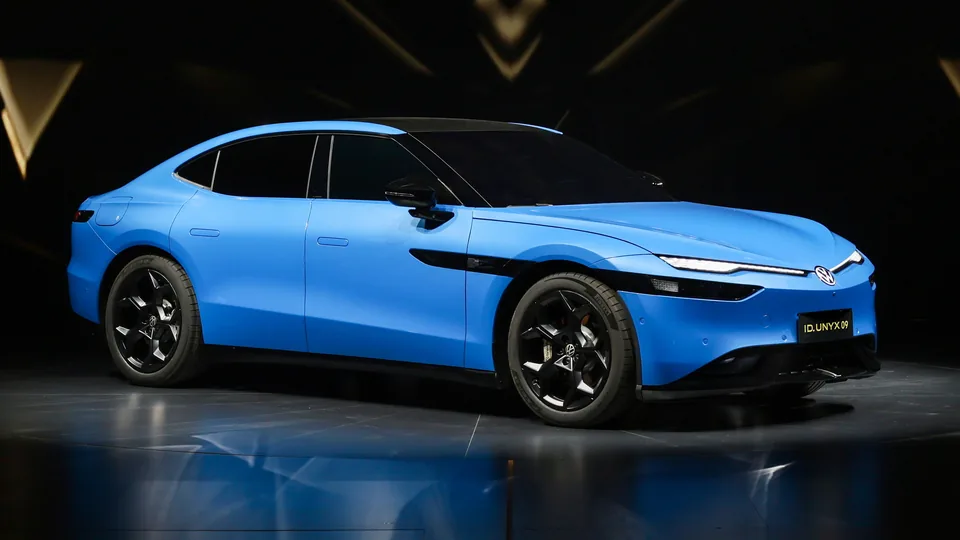
Even Volkswagen is considering how to tie its Chinese partners into its European operations, potentially building or importing some of its newer models from China into the region. While working with Chinese companies can provide benefits, it also carries risks, including the potential for competitors to gain an advantage in the market.
The automotive industry specialist Bernard Jullien notes that while selling to a Chinese player may be more appealing than closing plants, it still amounts to giving a leg up to a formidable competitor. This highlights the need for manufacturers to carefully consider their strategic options and weigh the potential benefits against the risks involved.
Selling factories to Chinese companies can have far-reaching implications for the automotive industry, particularly in terms of supply chain management and competition. As European brands continue to explore options for collaboration with Chinese partners, it is essential to monitor developments closely and assess the potential impact on the market.
Selling to Chinese companies can be a strategic move, but it carries risks of giving competitors an advantage.