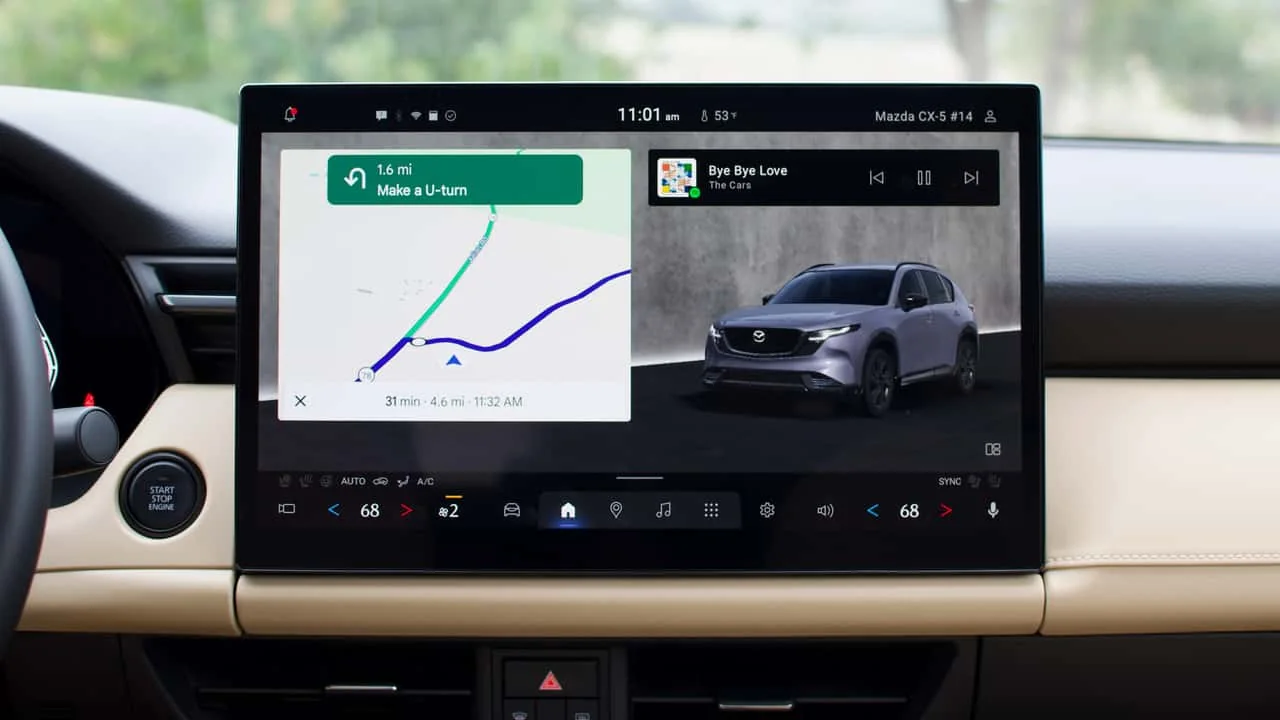
The Mazda CX-5 has undergone a significant change in its infotainment system, as the company has ditched the traditional controller knob for a touchscreen interface. This move is part of the brand's ongoing efforts to modernize and enhance the overall driving experience. By adopting a more contemporary design, Mazda aims to provide drivers with a more intuitive and user-friendly way to access various functions. The new touchscreen system promises to bring a level of simplicity and ease of use that was previously lacking in the CX-5. This change is likely to appeal to a younger demographic who values sleek designs and advanced technology. As a result, the CX-5's infotainment system has become more competitive with other vehicles in its class. Mazda's decision to abandon the controller knob also reflects the brand's commitment to innovation and customer satisfaction.
The company's focus on driver engagement is evident in this design change. By removing the controller knob, Mazda has created a more streamlined and minimalist interface that allows drivers to focus on the road ahead. This shift towards a touchscreen-centric design is consistent with the brand's overall philosophy of putting the driver first. The new system also includes various convenience features such as voice command and gesture recognition, which are designed to make driving more accessible and enjoyable. Mazda's goal is to provide a seamless and hassle-free experience that enhances the overall driving pleasure. This change has significant implications for the automotive industry as a whole, with many manufacturers likely to follow suit in their own efforts to modernize their infotainment systems.
The impact of this design change will be felt across various demographics, from young families to tech-savvy individuals. As consumers increasingly prioritize convenience and ease of use, Mazda's decision to adopt a touchscreen interface is likely to resonate with many drivers. By providing a more intuitive and user-friendly experience, the CX-5's new infotainment system sets a high standard for its competitors. This move also underscores the importance of technology in driving consumer behavior, as consumers increasingly expect vehicles to be equipped with advanced features and amenities.
Mazda's decision to abandon the controller knob is part of a broader trend towards digitalization in the automotive industry. As vehicles become increasingly connected and sophisticated, manufacturers must adapt their designs and interfaces to meet the changing needs of drivers. The adoption of touchscreen technology represents a significant step forward for Mazda, as it enables the brand to stay ahead of the curve and provide its customers with the latest innovations. By embracing this technology, Mazda is demonstrating its commitment to innovation and customer satisfaction.
The new infotainment system in the CX-5 is not just about aesthetics; it also reflects a deeper understanding of driver behavior and preferences. Mazda's designers have clearly taken into account the needs and expectations of drivers, creating an interface that is both intuitive and user-friendly. This attention to detail has resulted in a more seamless and enjoyable driving experience, which will undoubtedly appeal to many customers. By prioritizing the driver's needs, Mazda has set itself apart from its competitors and established a strong position in the market.
The shift towards touchscreen technology also raises questions about the future of traditional controller knobs in vehicles. As manufacturers continue to modernize their infotainment systems, it is likely that these components will become increasingly obsolete. However, this change also presents opportunities for innovation and creativity, as designers seek new ways to engage drivers and enhance their overall experience. By embracing this technology, Mazda has demonstrated its willingness to adapt and evolve in response to changing consumer demands.
The impact of this design change will be felt across various aspects of the automotive industry, from vehicle design to manufacturing processes. As manufacturers adopt more advanced technologies, they must also consider the implications for their products and services. By prioritizing innovation and customer satisfaction, Mazda has set a high standard for its competitors and established itself as a leader in the market.
In conclusion, Mazda's decision to abandon the controller knob in favor of a touchscreen interface represents a significant shift towards modernization and innovation. As the automotive industry continues to evolve, manufacturers must adapt their designs and interfaces to meet the changing needs of drivers. By embracing this technology, Mazda has demonstrated its commitment to customer satisfaction and established itself as a leader in the market.