

Toyota has made a significant move into the electric vehicle (EV) market with the introduction of four new electric SUVs. The company believes these new models will help it gain a bigger share of the market, particularly in the US, where EV sales have been declining since the expiration of federal tax credits at the end of September. Despite this trend, Toyota remains committed to its 'multi-pathway' approach, which includes battery-electric, hybrid, plug-in hybrid, and fuel-cell electric vehicles.
The new lineup includes the 2027 Highlander BEV, which will be exclusively available as an electric vehicle. The Highlander is one of four new Toyota electric SUVs that will go on sale by the end of 2026, along with the updated 2026 bZ, C-HR, and bZ Woodland. These models are expected to fill a key gap in Toyota's lineup and provide consumers with more options for EVs.
Toyota has been one of the most outspoken advocates for electric vehicles, but it has also taken a 'multi-pathway' approach to its product offerings. This strategy allows the company to cater to different consumer preferences and address various market segments. The new EVs are designed to appeal to a wide range of consumers, from those looking for affordable options like the 2026 bZ to those seeking more premium models like the Highlander BEV.

The arrival of these new electric SUVs marks a significant turning point for Toyota in the US market. Many other brands have left the door open for competitors, and Toyota is well-positioned to capitalize on this opportunity. The company's focus on EVs has been driven by its commitment to reducing carbon emissions and meeting consumer demand for sustainable transportation options.
The Highlander BEV is expected to be a key model in Toyota's new lineup, particularly given its three-row electric SUV design. This format is popular among families and those seeking practicality without sacrificing style. The fact that other brands have abandoned plans for similar models has created an opportunity for Toyota to fill this gap and attract consumers who may have otherwise considered alternative options.
Despite the challenges posed by declining EV sales, Toyota remains confident in its strategy. The company believes it deserves a fair share of the US EV market and is committed to providing consumers with more options for sustainable transportation. The new EVs are designed to appeal to a wide range of consumers, from those looking for affordable options to those seeking premium models.

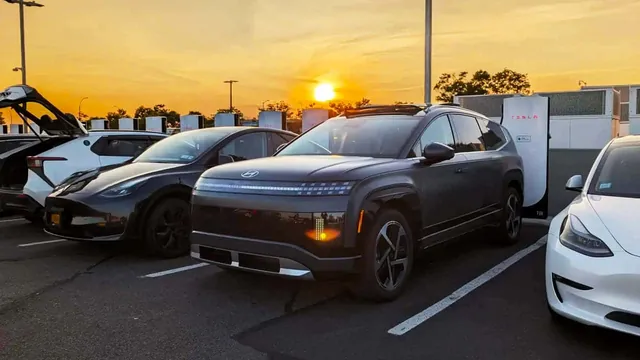
The updated 2026 bZ has already shown promising results, with sales outpacing several other popular EVs in the US market. This success is likely due to the model's improved driving range, refined interior and exterior design, and built-in NACS port for easy charging at Tesla Superchargers across the US.
Brand loyalty could play a significant role in Toyota's success with its new electric SUVs. According to the JD Power 2025 US Automotive Brand Loyalty Study, Toyota ranked first among mass-market brands for the fourth straight year with a 62% loyalty rate. This strong brand reputation will likely help Toyota attract consumers who are already familiar with the brand and may be more likely to consider its new EVs.
With prices starting at under $35,000 for the 2026 bZ and expected to start at around $50,000 to $55,000 for the 2027 Highlander BEV, Toyota's new electric SUVs are well-positioned to appeal to a wide range of consumers. The company's focus on EVs has been driven by its commitment to reducing carbon emissions and meeting consumer demand for sustainable transportation options. As the market continues to evolve, it will be interesting to see how these models perform and whether they help Toyota achieve its goals in the US EV market.

With Toyota's new lineup, the brand is well-positioned to capitalize on the growing demand for electric vehicles and address a gap in its product offerings.