The demand for electric vehicles is on the rise, with many countries and companies investing heavily in EV technology. However, the rapid growth of EV adoption has outpaced the development of charging infrastructure, leaving drivers facing a significant shortage of charging points. This issue affects not only consumers but also the environment, as it hinders the widespread adoption of sustainable transportation options.
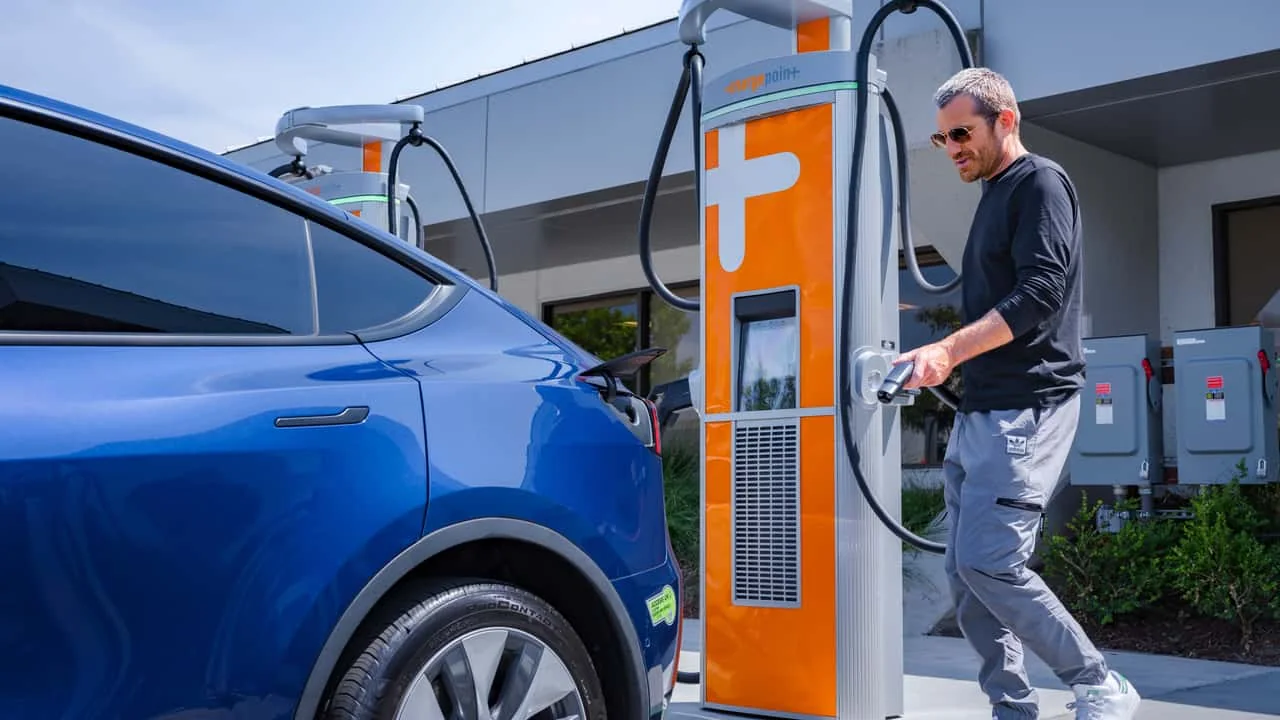
ChargePoint, one of the leading providers of electric vehicle charging solutions, recently announced that it added 190,000 new EV chargers last year. While this represents a significant increase in charging capacity, it still falls short of meeting the growing demand from drivers. The company's efforts to expand its network are crucial in addressing this issue.
The lack of charging infrastructure is causing frustration among EV owners, who often have to travel long distances without access to charging facilities. This can lead to range anxiety, deterring some potential buyers and making it harder for the industry to scale up production. As a result, governments and companies are under increasing pressure to invest in charging infrastructure.
The consequences of this shortage go beyond consumer inconvenience; they also have economic implications. With more people choosing EVs, businesses that rely on transportation are facing significant challenges. Inefficient logistics can lead to increased costs, reduced competitiveness, and even job losses.
In response to the growing demand for charging infrastructure, companies like ChargePoint are working tirelessly to expand their networks. They are investing heavily in new technologies, such as fast-charging systems and smart charging solutions, to improve efficiency and reduce costs.
However, despite these efforts, the pace of growth in charging infrastructure still lags behind that of EV adoption. This is a pressing concern for governments, which are under pressure to provide adequate funding for charging infrastructure development.
The industry is also exploring innovative solutions to address this issue. For example, some companies are developing mobile charging units that can be deployed at events or in areas with limited access to traditional charging points.
As the world transitions towards a more sustainable transportation system, it is essential that we prioritize the development of charging infrastructure. By investing in charging networks and promoting sustainable transportation options, we can reduce our reliance on fossil fuels and mitigate climate change.
Ultimately, addressing the charging deficit will require a concerted effort from governments, companies, and individuals. By working together, we can create a more sustainable transportation system that benefits both people and the planet.
As the electric vehicle (EV) market continues to gain momentum, a pressing issue is emerging: charging infrastructure lagging behind demand.