

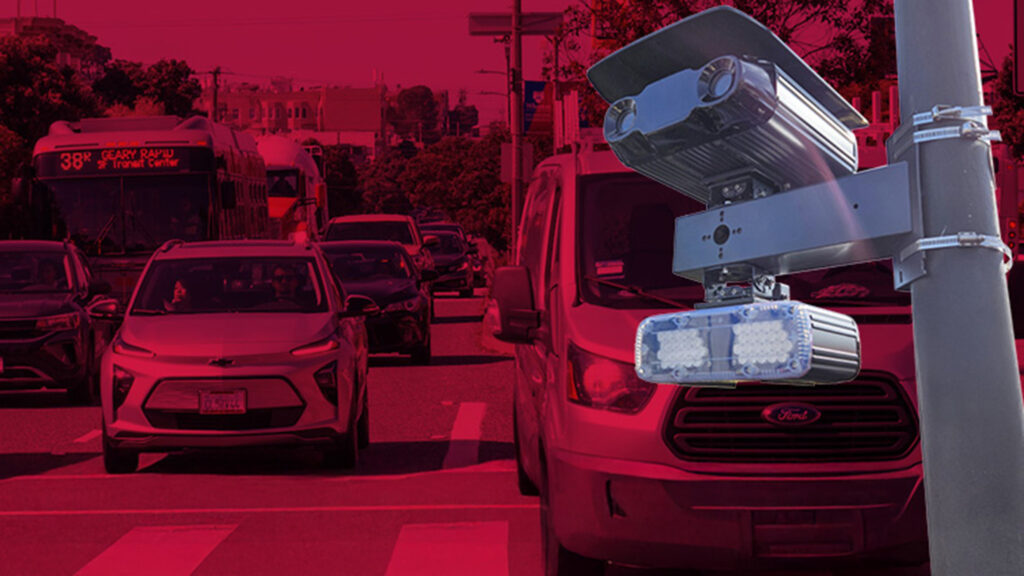
As California residents continue to receive traffic camera citations, some are questioning whether they will be required to pay them. The state's Department of Motor Vehicles (DMV) has been issuing these tickets for years, but there is ongoing debate about the validity and enforcement of these fines. The DMV uses cameras installed at various intersections throughout the state to capture images of vehicles that fail to stop or slow down at red lights or stop signs.
These images are then used to determine whether a driver was speeding or ran a red light, and if so, a citation is issued. In some cases, drivers may be able to contest these citations by submitting evidence that they were not speeding or running a red light. However, the process of contesting these citations can be complex and time-consuming.
Some argue that the use of traffic cameras in California is an infringement on their rights as drivers, while others see it as a necessary tool for maintaining public safety. The debate over the use of traffic cameras continues to rage, with some arguing that they are effective in reducing accidents and fines, while others claim that they are unfair and unjust. Despite the ongoing controversy, the DMV will continue to issue these citations until further notice.
In the meantime, drivers who receive a citation must decide whether to contest it or pay the fine. If they choose to contest their citation, they will need to gather evidence to support their case, such as witness statements or video footage that shows they were not speeding or running a red light. The DMV has established a process for contesting these citations, but it can be a lengthy and bureaucratic process.
Drivers who are unable to contest their citations may be required to pay the fine, which can range from $35 to over $500 depending on the location and circumstances of the infraction. Some argue that this is an unfair burden on drivers, while others see it as a necessary cost for maintaining public safety. The debate over the use of traffic cameras in California will likely continue until the issue is resolved through legislation or court ruling.
In the meantime, drivers must navigate this complex system and make decisions about how to handle their citations. For those who receive a citation, the process can be overwhelming and stressful. However, for those who are able to contest their citations, it may also provide an opportunity to clear their name and avoid paying a fine.
Ultimately, the decision of whether or not to pay a traffic camera citation is a personal one that depends on individual circumstances and priorities. For some drivers, the cost of paying a fine may be worth avoiding the hassle and stress of contesting a citation, while for others it may be worth fighting to prove their innocence.
The use of traffic cameras in California is a complex issue that raises concerns about driver rights and public safety. While these cameras can be an effective tool for reducing accidents and fines, they also have the potential to unfairly target certain drivers or impose excessive penalties. As such, it is essential for lawmakers and regulatory bodies to carefully consider the implications of these cameras and establish clear guidelines for their use.