
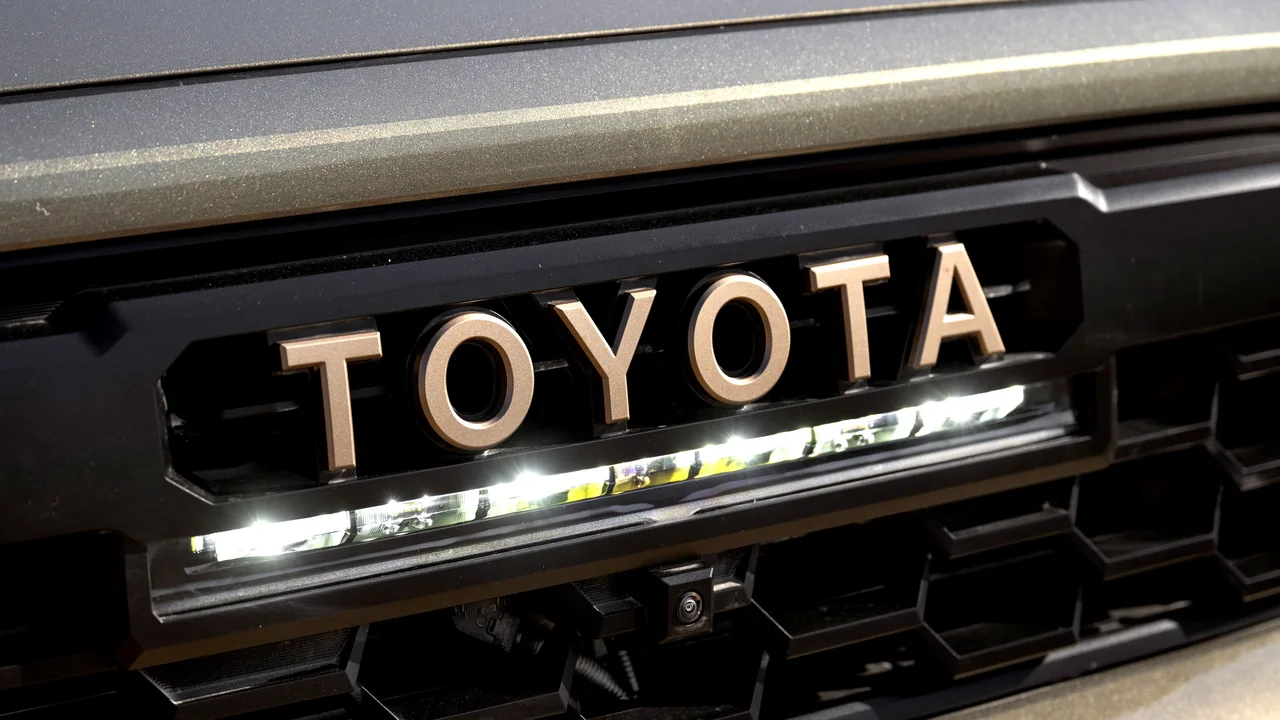
The case involves a California buyer who claims Toyota owes him a cut of a $9 billion tariff refund. The buyer, who wishes to remain anonymous, purchased a vehicle from a dealership in California that imported parts from China. The buyer alleges that Toyota should be responsible for the tariffs paid on those parts, as the company is the importer and beneficiary of the reduced rates.
The dispute centers around the US-China trade agreement, which reduced tariffs on certain goods imported from China. However, the agreement also created a complex web of rules and regulations governing tariff refunds. The buyer claims that Toyota has not properly accounted for the tariffs paid on parts used in his vehicle, resulting in an overpayment of the refund.
Toyota's stance is that it is not responsible for the tariffs paid on parts imported from China. The company argues that it is a US-based importer and should not be held liable for the reduced rates negotiated by the government. However, this argument has been disputed by trade experts and lawmakers who argue that the company's global supply chain makes it more likely to benefit from tariff reductions.
The case highlights the need for greater transparency in tariff refunds. As companies like Toyota import parts from countries with reduced tariffs, they must ensure that they are properly accounting for these savings. A lack of transparency can lead to overpayments and disputes like this one.
Toyota's global supply chain is under scrutiny as a result of this dispute. The company imports parts from multiple countries, including China, Japan, and the United States. Any changes in tariffs or trade agreements could have significant implications for the company's bottom line and its ability to compete in the global market.
The case also raises questions about the role of government agencies in enforcing tariff refunds. As companies like Toyota navigate complex rules and regulations, they must rely on government agencies to ensure that they are complying with all relevant laws and regulations.
The outcome of this dispute could have significant implications for the automotive industry as a whole. If Toyota is found to be responsible for the tariffs paid on parts used in his vehicle, it could set a precedent for other companies to follow.
As the case moves forward, it will be interesting to see how Toyota and the government agencies involved respond. Will they work together to find a resolution that benefits both parties, or will the dispute drag on for months or even years?
The impact of this dispute extends beyond the automotive industry to the broader economy. As companies like Toyota navigate complex trade agreements and tariff refunds, they must balance their desire to reduce costs with their need to comply with all relevant laws and regulations.
The case highlights the importance of transparency and accountability in international trade. As companies like Toyota import parts from countries with reduced tariffs, they must ensure that they are properly accounting for these savings. A lack of transparency can lead to overpayments and disputes like this one.
The case highlights the complexities of international trade and the need for greater transparency in tariff refunds.