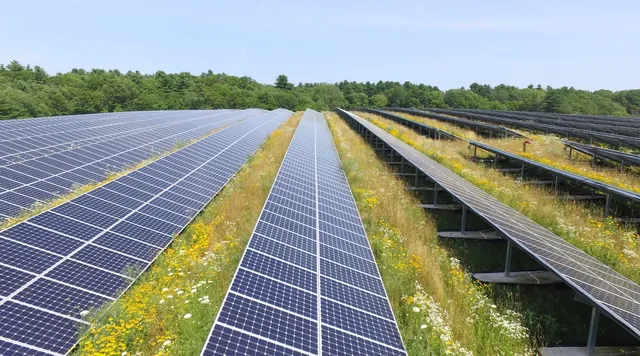

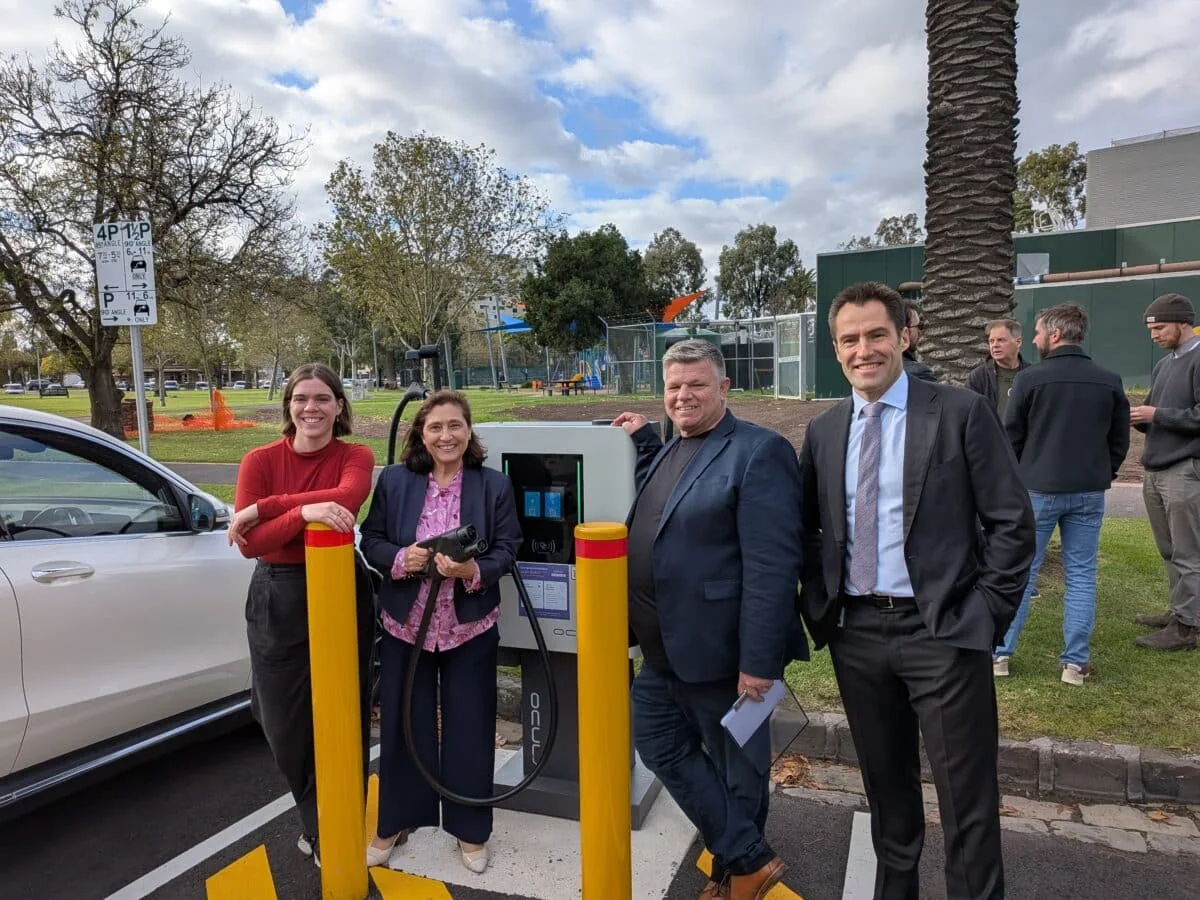
A new community battery project in Clifton Hill, near Melbourne, Australia, is providing a unique solution to support local electric vehicle (EV) drivers. The Yarra Energy Foundation has launched this initiative, which combines solar power and EV charging infrastructure to create a sustainable energy network for the community. This innovative approach aims to reduce the reliance on fossil fuels and promote cleaner transportation options.
The benefits of community batteries extend beyond just supporting EV drivers. By storing excess solar energy during the day and releasing it at night, these systems can help reduce strain on the electricity network caused by high demand or surplus solar exports, known as 'overvoltage'. This can prevent curtailment of new and existing solar installations, ultimately increasing the amount of renewable energy available to residents.
The community battery project also enables EV charging stations for local residents who cannot charge their vehicles at home. By providing a convenient and accessible charging solution, these systems can encourage more people to switch to electric vehicles, reducing greenhouse gas emissions and promoting cleaner transportation options.
In addition to supporting EV drivers, the community battery project fosters social connections among local residents by bringing them together towards a common goal. This collaborative approach can help build stronger communities and promote a sense of shared responsibility for environmental sustainability.
The Yarra Energy Foundation has also highlighted several other benefits of community batteries, including minimizing costs associated with network augmentation services and putting downward pressure on power prices by enabling more renewable energy and reducing network costs.
As the demand for clean energy solutions continues to grow, innovative projects like this community battery initiative are becoming increasingly important. By leveraging solar power and EV charging infrastructure, these systems can help reduce our reliance on fossil fuels and promote cleaner transportation options.
The use of solar power in public EV chargers is becoming more widespread, with many stations now using clean, renewable sources to charge electric vehicles. This shift towards sustainable energy solutions is critical for reducing greenhouse gas emissions and promoting environmental sustainability.
Electric vehicles are an attractive option for those looking to reduce their carbon footprint, as they can be powered by electricity from solar power, wind power, hydropower, and geothermal power. In contrast, internal combustion engine vehicles rely on dirty fuels, generating toxic air pollution and contributing to climate change.
The community battery project in Melbourne serves as a model for other communities looking to adopt sustainable energy solutions. By working together to create a shared energy network, residents can promote cleaner transportation options, reduce greenhouse gas emissions, and build stronger, more resilient communities.
This innovative solution highlights the importance of accessible clean energy infrastructure.