
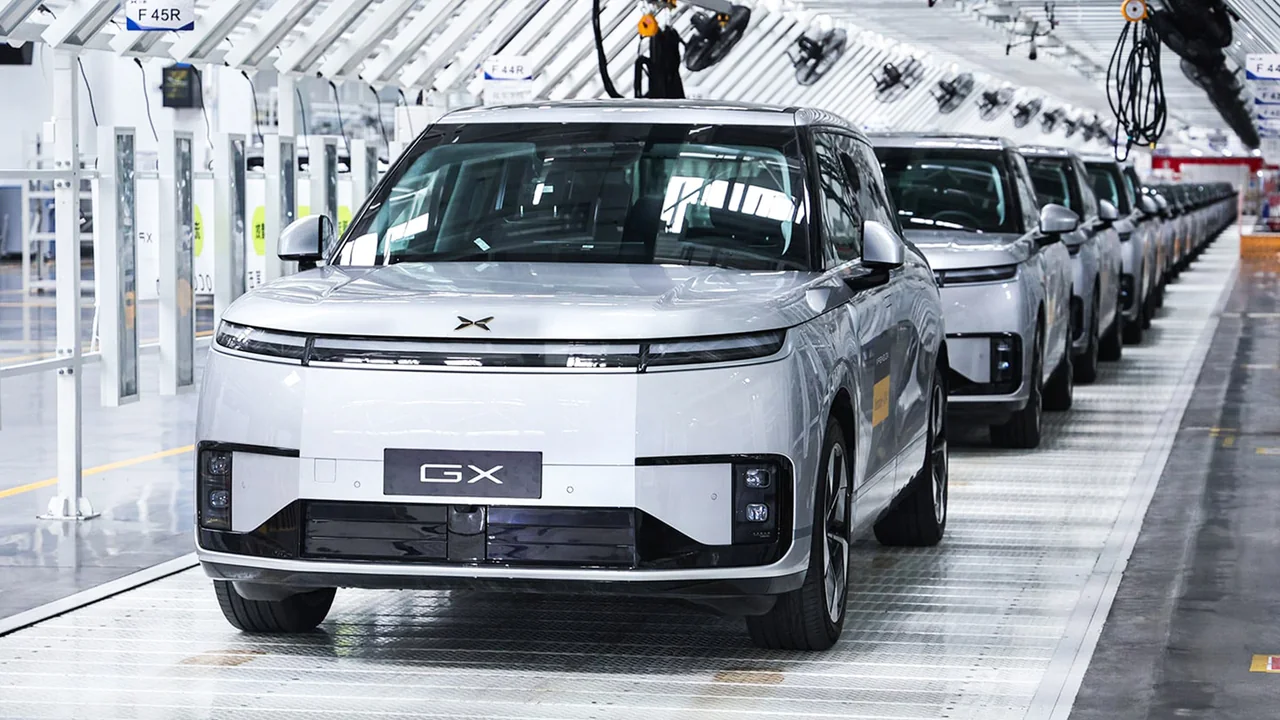
Xpeng has unveiled a specifically equipped version of the GX, which will be offered with three seating configurations, making it an attractive option for those looking for a robotaxi solution.
The company's strategy mirrors Tesla's vision-only approach, relying on cameras and AI rather than LiDAR technology.
This move is significant as Xpeng joins other Chinese car manufacturers in the robotaxis market, highlighting the growing interest in autonomous vehicles in China.
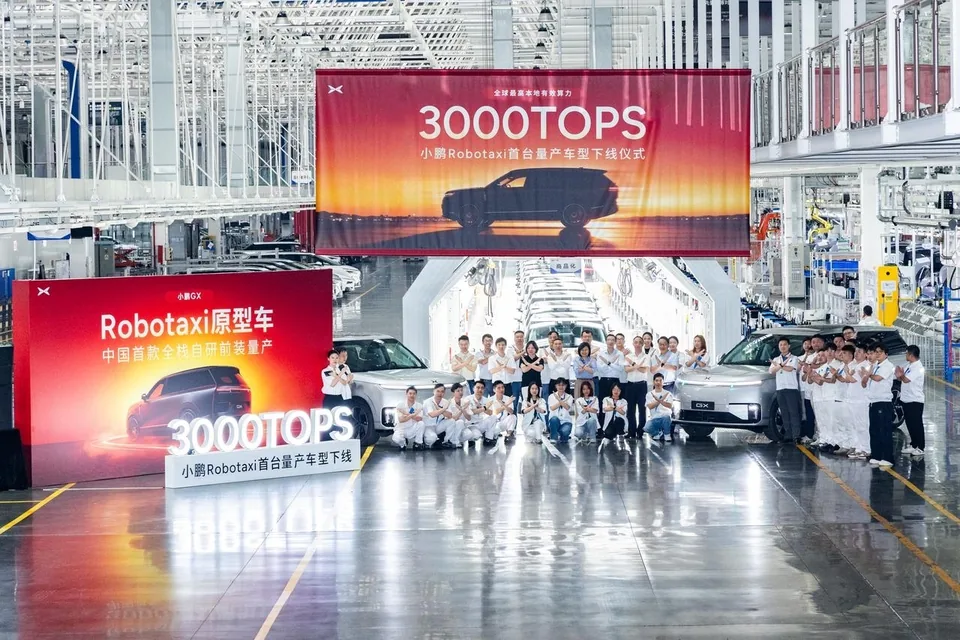
Using the GX as a basis for its robotaxi will significantly help the car manufacturer cut development and production costs, making it more competitive in the market.
The SUV has been developed exclusively in-house and offers Level 4 self-driving capabilities, with four in-house Turing AI chips providing 3,000 TOPS of on-board computing power.
Xpeng's robotaxi will initially have a human supervisor behind the wheel in case anything unexpected happens, but plans to ditch these 'safety officers' by early 2027.
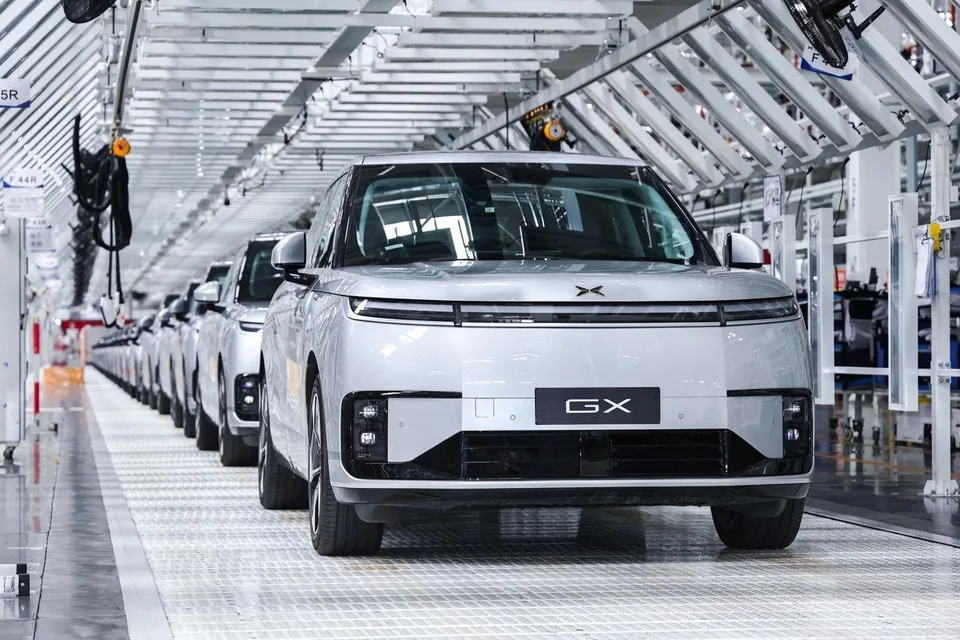
The lack of LiDAR technology means that Xpeng's model relies solely on cameras and an advanced AI model for navigation and control.
Despite this, the robotaxi is expected to be a successful venture for Xpeng, given its growing presence in the Chinese market and its commitment to autonomous vehicle technology.
As the autonomous vehicle industry continues to grow, companies like Xpeng are well-positioned to capitalize on the trend.
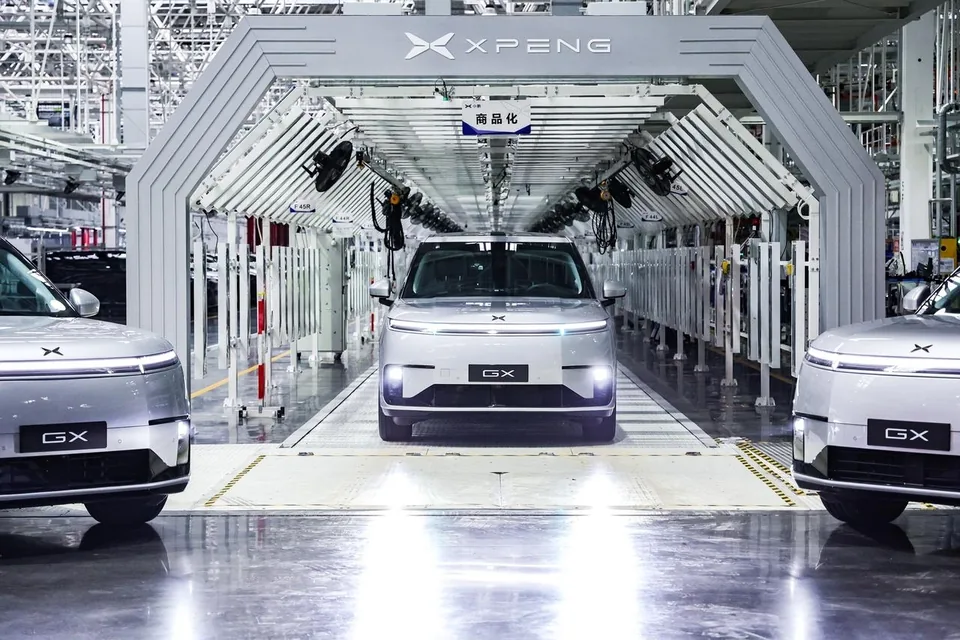
The future of transportation is looking increasingly autonomous, with robotaxis set to play a significant role in shaping this landscape.
As the autonomous vehicle market continues to evolve, companies like Xpeng are taking bold steps towards reducing development and production costs.