
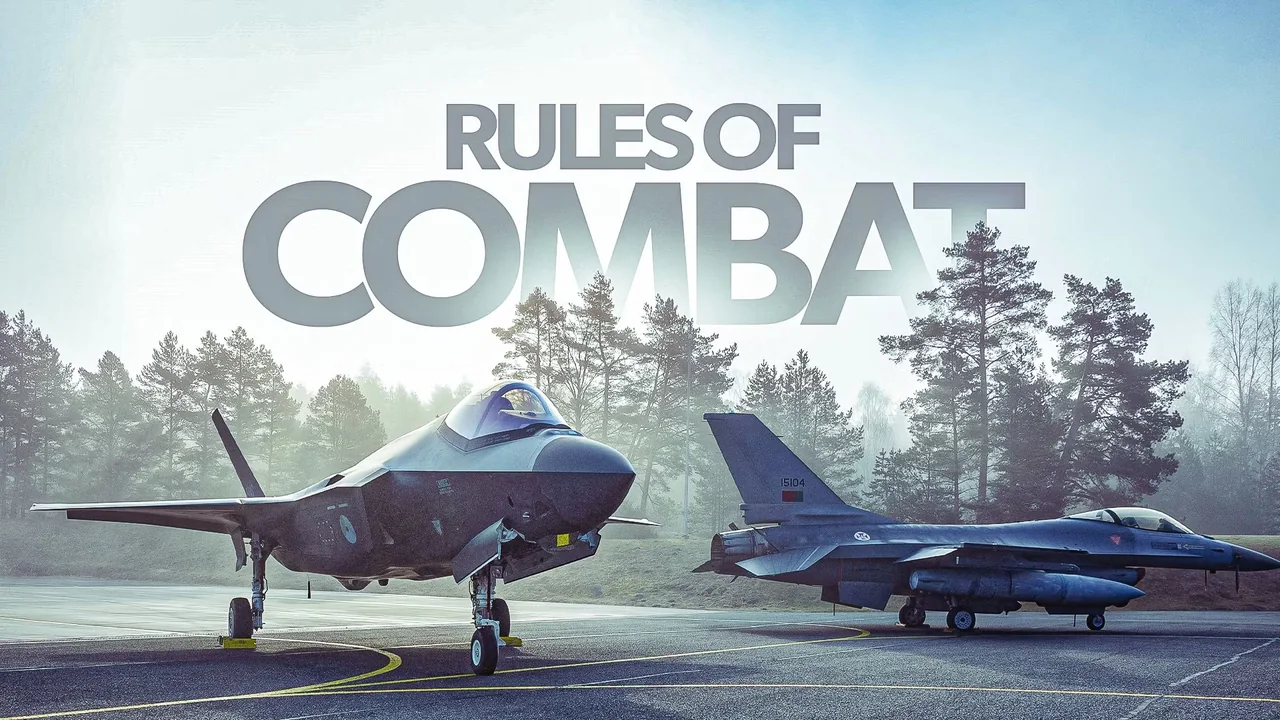
The future of air warfare is being shaped by two radically different realities at the same time. On one side are stealth aircraft such as the Lockheed Martin F-35 Lightning II and the Northrop Grumman B-21 Raider , flying command centers built around sensor fusion, artificial intelligence, and network-centric warfare. On the other hand, there are improvised cheap kamikaze UAVs, and piston-powered trainers engaging enemy drones with rifles over the skies of Ukraine. Together, they reveal how modern air combat is evolving into a conflict defined not only by technology but also by economics, survivability, and scale.
The F-35 Lightning II has evolved far beyond a traditional fighter aircraft into the backbone of a new networked approach to warfare. Its technological advancements are transforming the nature of air combat, making it more complex and nuanced. The aircraft's ability to gather, fuse, and distribute battlespace data to every other platform in the joint force is unparalleled.
The F-35's combat-proven suppression of Iranian air defenses during Operation Midnight Hammer demonstrates its effectiveness in real-world scenarios. However, despite the complexity, the future battlefield may ultimately depend as much on affordable mass and sustainable operations as on raw technological superiority.

As the military continues to invest heavily in the F-35 program, it is clear that the aircraft's industrial scope speaks to the depth of America's commitment. With over 1,800 suppliers across 45 US states, the Lightning II is an aircraft that encompasses an entire industry.
The program's staggering scope speaks to the depth of America's commitment. With a projected 94-year lifecycle cost of approximately $2.1 trillion, the F-35 is an investment that will have far-reaching consequences for the future of air warfare.
The unit flyaway cost of the F-35 ranges from roughly $80 million to over $110 million, depending on the variant. Despite this high cost, the aircraft's technological advancements are delivering real operational advantages, including the ability to penetrate sophisticated air defenses.

The Department of Defense projects sustainment and lifetime maintenance costs alone at $1.58 trillion, highlighting the significant investment required to keep the F-35 in service for its projected 94-year lifecycle.
As the military continues to evolve, it is clear that the F-35's technological advancements will play a critical role in shaping the future of air combat.
The emergence of Collaborative Combat Aircraft and Ukraine's remarkably low-cost drone hunters highlights the growing importance of affordable mass and sustainable operations in modern air warfare.

The F-35's technological advancements are transforming the nature of air combat, making it more complex and nuanced.