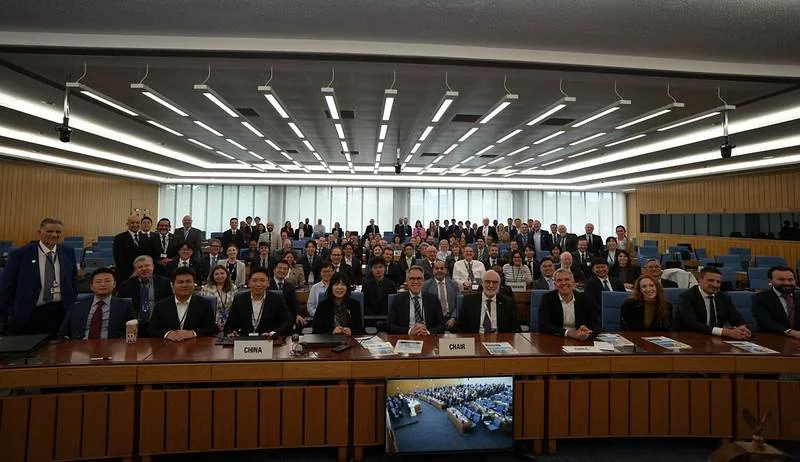
The International Maritime Organization (IMO) has adopted a new global code for autonomous ships, setting out a comprehensive framework for their safe integration into global shipping. The code, known as the International Code of Safety for Maritime Autonomous Surface Ships (MASS Code), will apply to cargo ships and take effect from 1 July 2026.
The MASS Code is a non-mandatory instrument, giving member states the opportunity to test its use while paving the way for making it mandatory under the International Convention for the Safety of Life at Sea (SOLAS) convention. This approach allows for a phased implementation, with the first phase taking effect in 2026 and subsequent phases to be determined.
The code sets out a goal-based framework to ensure that remotely controlled or autonomous ships are designed and operated to a level of safety, security, and environmental protection expected of conventional ships. It also emphasizes human oversight, with the master retaining overall responsibility for the ship at all times, even if not on board.
The adoption of the MASS Code is seen as a major step forward in regulating emerging technologies and ensuring safety at sea. It represents a significant shift towards more sustainable and efficient shipping practices, which will have far-reaching implications for the industry.
A growing number of ships are already being successfully trialled internationally, with many more expected to follow suit in the coming years. The MASS Code provides a framework for these innovations to be implemented safely and responsibly.
The code introduces new requirements for the design, approval, and operation of autonomous ships, including in key areas such as navigation, connectivity, remote operations, fire safety, and search and rescue. It also places strong emphasis on risk assessment, robust system design, cybersecurity, and the integration of Remote Operations Centres (ROCs).
The MASS Code supplements existing IMO instruments, taking into account international law, including the United Nations Convention on the Law of the Sea (UNCLOS). It is the culmination of nearly a decade of multilateral discussions, legal work, and on-the-water trials to enable new and conventional technologies to operate safely together.
The next steps for the Code include re-establishing the MASS Working Group for the Development of an Experience-Building Phase (EBP) in December 2026, followed by the development of a mandatory MASS Code in 2028. These phases will ensure that the code continues to evolve and improve over time.
The adoption of the MASS Code marks a significant milestone in the development of autonomous shipping, paving the way for more efficient, sustainable, and safe maritime operations. As the industry continues to evolve, it is essential that regulations keep pace with innovation.
The adoption of the MASS Code marks a significant step forward in regulating emerging technologies and ensuring safety at sea.