
The situation with the Druzhba pipeline has been a point of contention between Hungary, Slovakia, and Ukraine. The two countries have accused Kyiv of switching off power to that section of the pipeline, while Ukraine claims it was a Russian attack on the pipeline that caused the halt in flows. This dispute has resulted in a significant disruption to oil supplies to Eastern Europe, with both Hungary and Slovakia relying heavily on Russian piped oil. As a result, they are now seeking help from Croatia to secure their energy needs.
Hungary's MOL has initiated the release of strategic crude oil reserves to maintain security of supply in the region. The company has stated that if shipments from the east do not resume in the coming days, Hungary may need to release approximately 250,000 tons of strategic crude oil reserves. This move is a response to the disruption caused by Ukraine's actions on the Druzhba pipeline.
Croatia has agreed to help Hungary and Slovakia secure Russian oil flows via the Adria pipeline. The country's Economy Minister Ante Susnjar stated that Croatia will not allow Central Europe's fuel supply to be endangered and is ready to help solve the acute disruption. This cooperation would comply with EU law and the regulations of the U.S. Office of Foreign Assets Control.
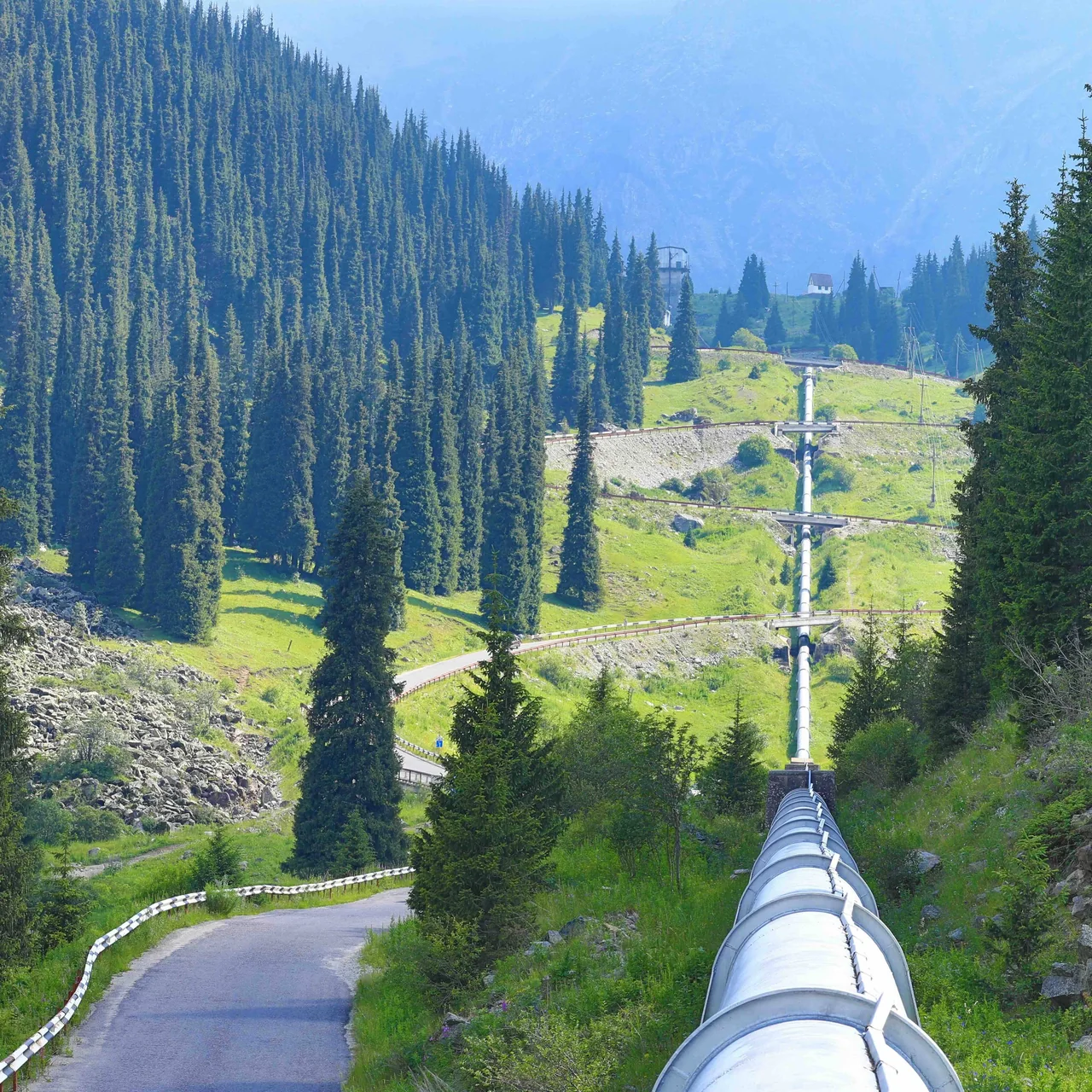
The Adria oil pipeline runs from the Croatian port of Omisalj to oil refineries in Croatia and others in southern and central Europe. The pipeline has been a vital transportation route for Russian oil to reach Eastern European countries. With Croatia's help, Hungary and Slovakia may be able to restore their energy supplies and reduce their reliance on Russian piped oil.
Hungary and Slovakia both hold exemptions to EU sanctions on Russian piped oil. They have fought EU moves to end those flows as part of efforts to cut off energy revenue funding Russia's war in Ukraine. The recent disruption has highlighted the importance of these exemptions and the need for cooperation between these countries.
A meeting between Hungarian Prime Minister Viktor Orban and U.S. Secretary of State Marco Rubio took place on Monday, where they discussed energy issues including the Druzhba pipeline. This meeting demonstrates the efforts being made by Hungary to maintain strong ties with both Russia and the United States.
The Kremlin has agreed with Slovak Prime Minister Robert Fico's accusations that Ukraine is holding up the restart of the Druzhba pipeline in an attempt to pressure Hungary into dropping its opposition to Ukraine's potential future membership of the EU. This further highlights the tensions between these countries over energy policy and EU membership.
Russian flows via the pipeline's southern section fell to a 10-year low last year due to Ukrainian drone attacks on the pipeline within Russia. The recent disruption has resulted in significant losses for both Hungary and Slovakia, highlighting the need for cooperation and regional stability in securing energy supplies.
The situation with the Druzhba pipeline serves as a reminder of the importance of cooperation between countries in securing their energy needs. As tensions between Ukraine, Russia, and other European countries continue to rise, it is essential that these nations work together to maintain regional stability and ensure a secure supply of energy.
The recent disruption in oil flows via Ukraine highlights the importance of regional cooperation in securing energy supplies.