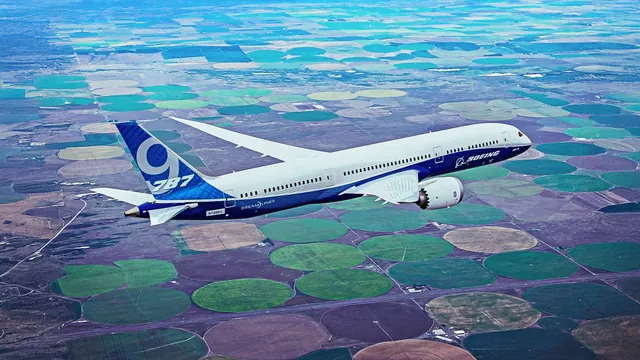

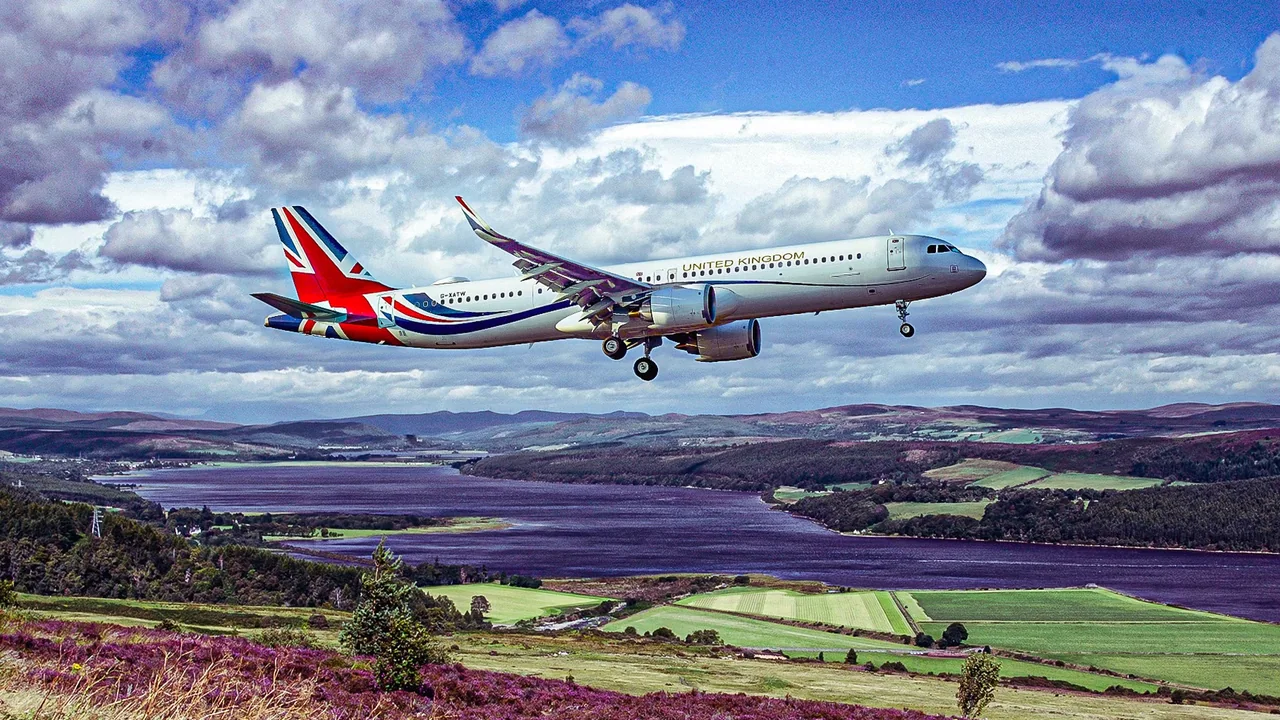
The aircraft that carries a head of state or high-ranking government official is often a symbol of national identity and prestige. The selection of an aircraft can convey important messages about a country's values, industrial capabilities, and global influence. In some cases, the choice of aircraft may be driven by security concerns, while in others it may be a reflection of the country's desire to project power and authority.
The United States, Russia, and France are among the few countries that have the resources and expertise to design and build their own VIP fleets from scratch. This allows them to tailor their aircraft to meet specific needs and showcase their technological prowess. In contrast, many other countries rely on established manufacturers like Boeing and Airbus to provide their VIP aircraft.
Airbus and Boeing are two of the most recognizable brands in the world of aviation, and their aircraft are often chosen for high-profile government flights due to their reputation for quality and reliability. However, the choice of aircraft can also be driven by factors such as cost, security concerns, and environmental considerations.

The selection of an aircraft for VIP use can also reflect a country's industrial capabilities and technological advancements. For example, the Russian President's Ilyushin Il-96 is a domestically produced aircraft that showcases the country's aerospace industry. Similarly, the Ukrainian President's Airbus A319 reflects the country's growing aviation sector.
Despite the importance of national pride in choosing an aircraft, there are also practical considerations at play. For instance, the size and capacity of the aircraft must be suitable for the specific needs of the flight, while also taking into account security concerns and logistical requirements.
The choice of aircraft can also convey messages about a country's values and priorities. For example, the Norwegian Prime Minister's decision to fly on a commercial flight reflects the country's emphasis on egalitarianism and accountability in governance.

In some cases, the selection of an aircraft may be driven by factors other than national pride or industrial capabilities. For instance, the use of large aircraft like the Boeing 747-8 for VIP flights may be driven by a desire to project power and authority, rather than purely practical considerations.
The choice of aircraft for VIP use can also have significant implications for global relations and international diplomacy. For example, the selection of an aircraft that is seen as luxurious or extravagant may be perceived as a reflection of the country's wealth and influence.
Ultimately, the choice of aircraft for world leaders reflects the complex interplay between national priorities, industrial capabilities, and global politics.

The choice of aircraft for world leaders reflects the country's values and priorities.