


Tire wear isn't random; a fleet with a tire program that identifies punishing tires is one that buys fewer of them. This approach helps split the cost among various departments, rather than just maintenance.
The industry's most common tools aren't built to detect tire failures in advance. Automatic tire inflation systems (ATIS) can struggle to keep up with leaks and underinflated tires.
Underinflated miles cause extra fuel consumption, repeated cycles of refilling, and eventual tire failure. ATIS also fails to identify underlying issues like alignment or suspension problems.
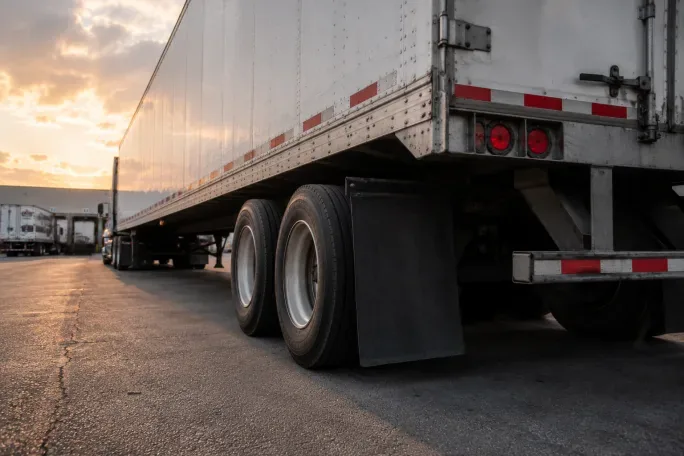
Pre-trip checks are crucial in catching low-pressure tires, but drivers often rely on visual inspections rather than pressure readings.
Leaving trailer tires solely on the maintenance leader's desk is an easy default, as it doesn't provide real insight into tire performance. This oversight still leads to costs being absorbed by other departments.
Operations and dispatch teams absorb the consequences of a roadside breakdown, including rerouting, replacement trailers, and lost capacity for the day.
A truck tire failure can have severe safety implications, leaving debris in the lane and affecting the fleet's reputation.
Fleet owners must consider the full scope of costs beyond maintenance, including the impact on customer delivery windows, brand damage, and driver hours.
The true cost of trailer tire failure is a complex issue that requires a comprehensive approach to management and maintenance.
The true cost of trailer tire failure extends beyond maintenance, affecting operations, safety, risk management, drivers, and roadside teams.