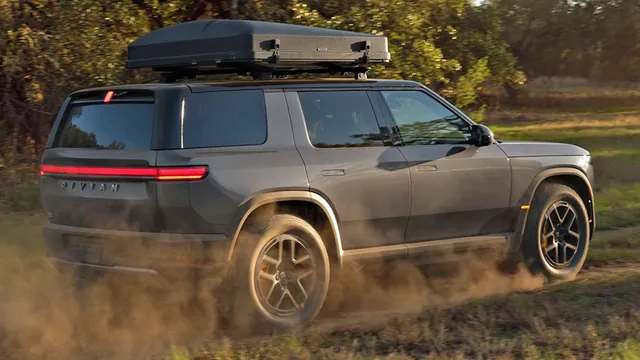

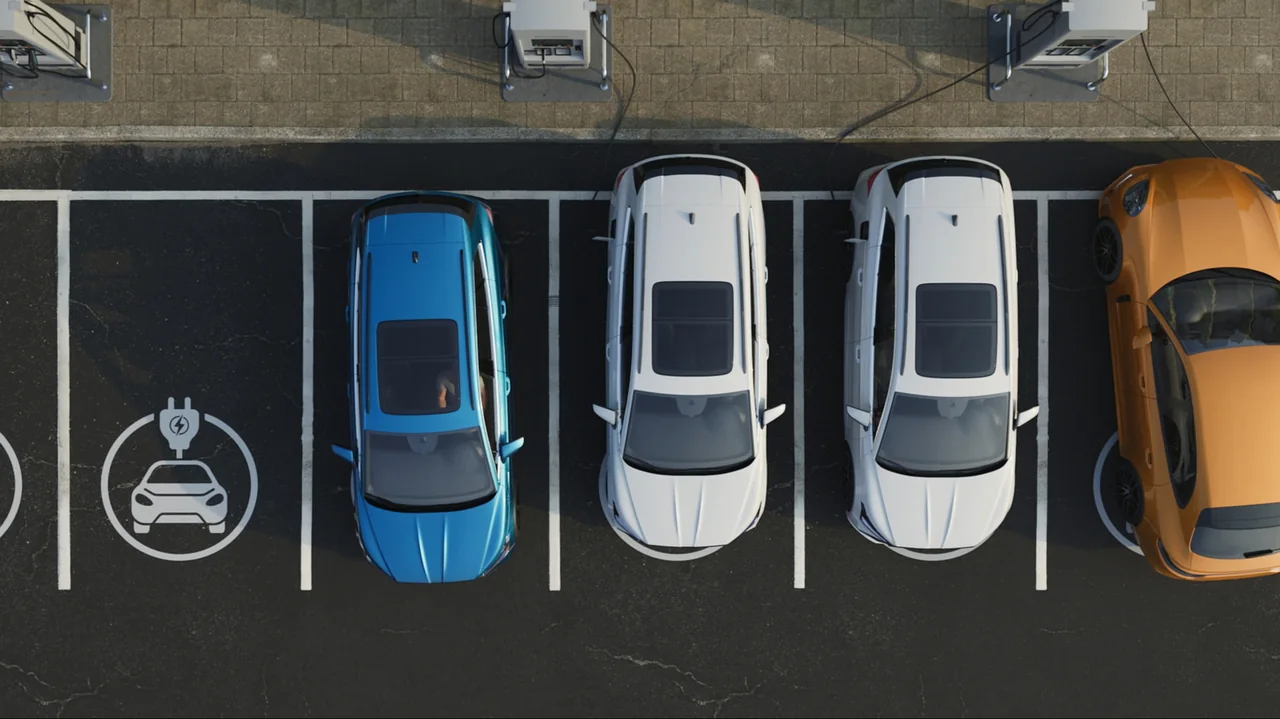
Used electric vehicles have become the most affordable option for Americans struggling financially, thanks to a combination of factors. The Trump Administration's efforts to repeal clean energy incentives and the ongoing U.S.-Israel war with Iran have inadvertently pushed people towards EVs. As a result, the demand for used EVs has increased, driving up prices despite their relatively low initial cost.
The average price of a new car in the U.S. is now $50,000, making it difficult for many consumers to afford. However, the influx of people into the used market has led to a surge in demand for used EVs, which are often priced lower than their gas-powered counterparts. This has created a paradox where consumers can find affordable luxury-level amenities at a fraction of the cost.
The low value of used EVs is largely due to supply and demand. Many consumers are hesitant to purchase older EVs due to limited exposure to their technology, resulting in a reduced market for these vehicles. However, this has also led to an increase in the number of used EVs expected to enter the market by 2028, with Cox Automotive forecasting 1.5 million new additions.
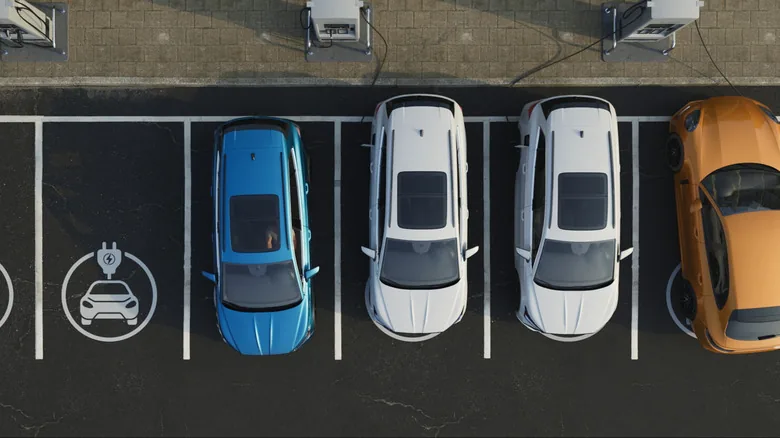
The leasing bonuses offered by automakers have also failed to stimulate demand for used EVs, as they struggle to make back their investment on the used side. Instead, the abundance of used EVs has led to a decrease in their value over time, making them an attractive option for consumers who can afford it.
The situation is ironic, given that U.S. leaders were moving towards an inherently opposite future when it comes to clean energy incentives. However, with rising gas prices and the increasing affordability of used EVs, the electrified future may be coming around on its own.
Used vehicles are coming off their leases valued much lower than expected, with some models losing up to 15% of their original value in just three years. This is a significant decrease compared to gas-powered vehicles, which would likely retain more of their value over time.
The abundance of used EVs has also led to a decrease in their service costs, as they require fewer moving parts and are less expensive to maintain. This makes them an attractive option for consumers who prioritize affordability and reliability.
As the demand for used EVs continues to rise, it's clear that this trend is here to stay. With the average new car price in the U.S. remaining high, used EVs offer a viable alternative for those struggling financially.
The situation highlights the importance of adaptability in the automotive industry. As consumer preferences shift towards more affordable and sustainable options, manufacturers must be willing to adjust their strategies to meet demand.
Ultimately, the affordability of used electric vehicles is a win-win for consumers and the environment. By making these vehicles more accessible, we can reduce our reliance on fossil fuels and promote a cleaner, more sustainable future.
The abundance of used EVs has led to a decrease in their value over time, making them an attractive option for consumers.