
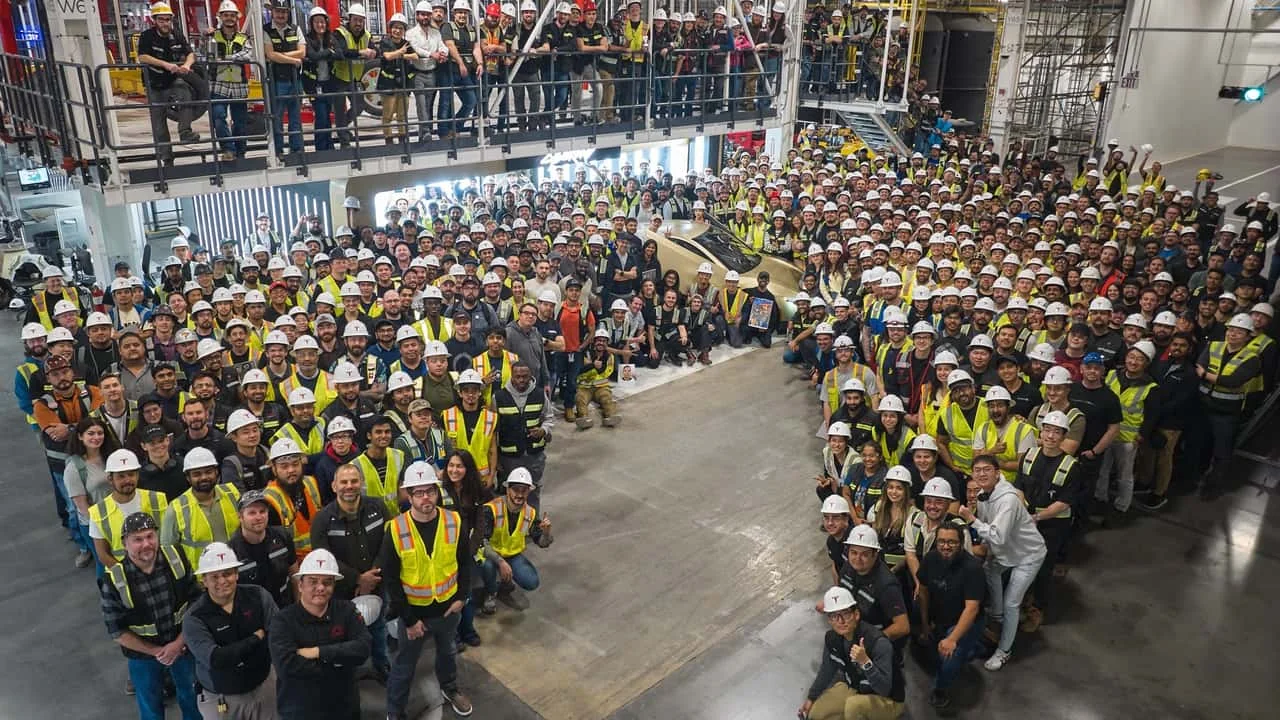
Tesla has started manufacturing its highly anticipated Cybercab, a purpose-built autonomous vehicle designed to revolutionize the transportation industry. This marks a significant milestone for the company, as it shifts its focus from mass-producing traditional vehicles to developing cutting-edge technology. The Cybercab's arrival is expected to have far-reaching implications for the automotive sector, with many experts predicting a seismic shift in consumer behavior and industry dynamics.
The production of the Cybercab represents a major departure from Tesla's traditional business model, which has primarily focused on producing electric powertrains and battery systems. This new venture underscores the company's commitment to innovation and its willingness to take calculated risks. However, it also raises questions about the feasibility of such a complex undertaking.
As the world's leading electric vehicle manufacturer, Tesla is well-positioned to capitalize on the growing demand for autonomous vehicles. The Cybercab's advanced technology is expected to provide a unique selling proposition, setting it apart from competitors in the rapidly evolving market. Nevertheless, there are concerns about the challenges that lie ahead, including regulatory hurdles and public acceptance.
The production of the Cybercab has been years in the making, with Tesla investing significant resources into developing its autonomous driving capabilities. The company's engineers have worked tirelessly to perfect the vehicle's software and hardware, ensuring a seamless user experience. Despite these efforts, there are still many unknowns surrounding the Cybercab's performance and reliability.
As the first purpose-built autonomous vehicle, the Cybercab is likely to face intense scrutiny from regulators and the public alike. The company will need to navigate complex regulatory frameworks and address concerns about safety and liability. This will require careful planning and coordination with government agencies and industry stakeholders.
The Cybercab's production represents a significant investment for Tesla, with the company committing substantial resources to its development. The financial implications of this venture are still unclear, but it is likely that the company will need to absorb significant costs in order to bring the vehicle to market. Nevertheless, the potential rewards could be substantial, with the Cybercab offering a lucrative opportunity for Tesla to establish itself as a leader in the autonomous vehicle sector.
The arrival of the Cybercab marks an exciting new chapter in the evolution of transportation technology. As the world becomes increasingly urbanized and congested, there is growing demand for efficient and sustainable mobility solutions. The Cybercab's advanced technology has the potential to revolutionize the way we think about transportation, making it safer, more convenient, and environmentally friendly.
While the production of the Cybercab is a significant achievement, it is only the beginning of Tesla's journey into autonomous vehicle manufacturing. The company will need to continue investing in research and development, as well as building its capabilities and expertise in this area. This will require careful planning and strategic decision-making, but the potential rewards could be substantial.
Ultimately, the success of the Cybercab will depend on a range of factors, including its performance, reliability, and public acceptance. If Tesla can deliver on its promises and provide a compelling value proposition, it has the potential to establish itself as a leader in the autonomous vehicle sector. However, if the company struggles to overcome the challenges that lie ahead, it risks disappointing investors and undermining its reputation.