


Small fleets are navigating treacherous waters, with weak freight rates continuing to take a toll on their bottom lines. Rising costs, including fuel prices, are also making it increasingly difficult for these operations to remain profitable. As a result, compliance headaches have become a significant challenge, with carriers facing increased scrutiny from regulators and courts.
Despite the challenges, Jamie Hagen, owner of the Hell Bent Xpress, remains optimistic about the future of small fleets. He attributes his success to his ability to adapt to changing market conditions and invest in his operation. This approach has allowed him to separate strong fleets from struggling ones, with a focus on efficiency and cost-cutting measures.
However, not all carriers are as fortunate. The Supreme Court's recent ruling on broker liability has significant implications for the trucking industry, with some experts warning of a potential shift in safety landscape. As carriers navigate this new regulatory environment, they must also contend with rising costs and weak freight rates.
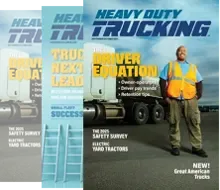
The consequences of inaction can be severe, with small fleets facing increased risk of financial collapse. In contrast, those that are proactive and adaptable are likely to emerge stronger, with opportunities for growth and profitability on the horizon.
Jamie's investment strategy is a key factor in his fleet's success. By investing in his operation and staying ahead of the curve, he has been able to weather the storm and come out stronger on the other side.
But what sets strong fleets apart from struggling ones? According to Jamie, it all comes down to efficiency and cost-cutting measures. By streamlining operations and reducing waste, carriers can improve their bottom line and stay ahead of the competition.

As the trucking industry continues to evolve, small fleets must be prepared to adapt. This may involve investing in new technologies, such as autonomous vehicles or advanced fleet management systems.
Despite the challenges, Jamie remains bullish on the future of small fleets. He believes that opportunities are emerging for carriers that can weather the storm and come out stronger on the other side.
In conclusion, small fleets face a daunting array of challenges, from weak freight rates to rising costs and compliance headaches. However, by investing in their operations and staying ahead of the curve, carriers can improve their chances of survival and even thrive in this uncertain environment.
Ultimately, the key to success for small fleets lies in their ability to adapt and evolve. By embracing new technologies and strategies, carriers can stay ahead of the competition and emerge stronger on the other side.
The trucking industry is undergoing significant changes, and small fleets must be proactive to stay ahead.