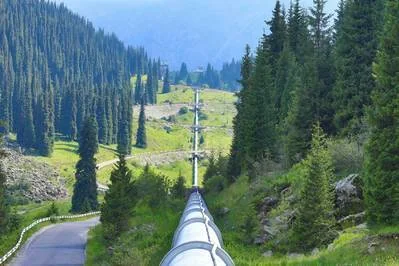
The Czech Republic is offering small volumes of oil to Slovakia through an eastward flow of the Druzhba pipeline after westward flows from Ukraine were stopped following a recent attack on the pipeline. The decision comes as Slovakia and Hungary continue to rely heavily on Russian energy imports despite the disruptions. The halt in pipeline flows has significant implications for the region's energy security and economic stability.
The Czechs had previously expanded an alternative route, which led to them stopping the use of Russian supplies via Druzhba last year. Now, they are exploring reversing the flow of the Czech section of the pipeline to Slovakia as a potential solution. This move would require technical adjustments, which have been discussed with Slovak Prime Minister Robert Fico.
Czech Economy Minister Karel Havlicek has confirmed that a certain small amount of oil could be delivered to Slovakia right away. However, larger volumes would necessitate significant technical modifications and investments. The timeline for these changes is uncertain, but Havlicek has expressed optimism about the possibility of increased supplies in the near future.
Slovakia and Hungary have continued to purchase Russian energy despite the disruptions caused by the pipeline attack. This decision reflects their reliance on Russian energy imports and the challenges posed by the current energy landscape. The situation underscores the need for diversification and resilience in energy supply chains.
Hungary and Slovakia have been seeking alternative routes for Russian seaborne oil, which they hope to transport through Croatia's port and pipeline system. While Croatia has agreed to increase deliveries, it is imperative that these shipments are not Russian oil. This distinction highlights the complexities of navigating the current energy market landscape.
Croatia has expressed its willingness to raise delivery volumes, but it must be clarified whether these shipments will be Russian or non-Russian in origin. The situation underscores the need for clarity and cooperation among regional players in addressing the challenges posed by pipeline disruptions.
The halt in Druzhba pipeline flows serves as a reminder of the interconnectedness of energy supply chains in Eastern Europe. As countries navigate this complex landscape, it is essential to prioritize diversification, resilience, and transparency in their energy strategies.
In the coming months, the region can expect increased scrutiny of energy supply routes and infrastructure. This heightened focus will likely drive innovation and cooperation among regional players as they seek to mitigate the impact of pipeline disruptions.
Ultimately, the resolution of this crisis will depend on the ability of regional players to work together and adapt to changing circumstances. By prioritizing diversification, resilience, and transparency, countries can build more sustainable energy futures that minimize the risks associated with pipeline disruptions.
The halt in Druzhba pipeline flows highlights the vulnerability of energy supply chains in Eastern Europe.