
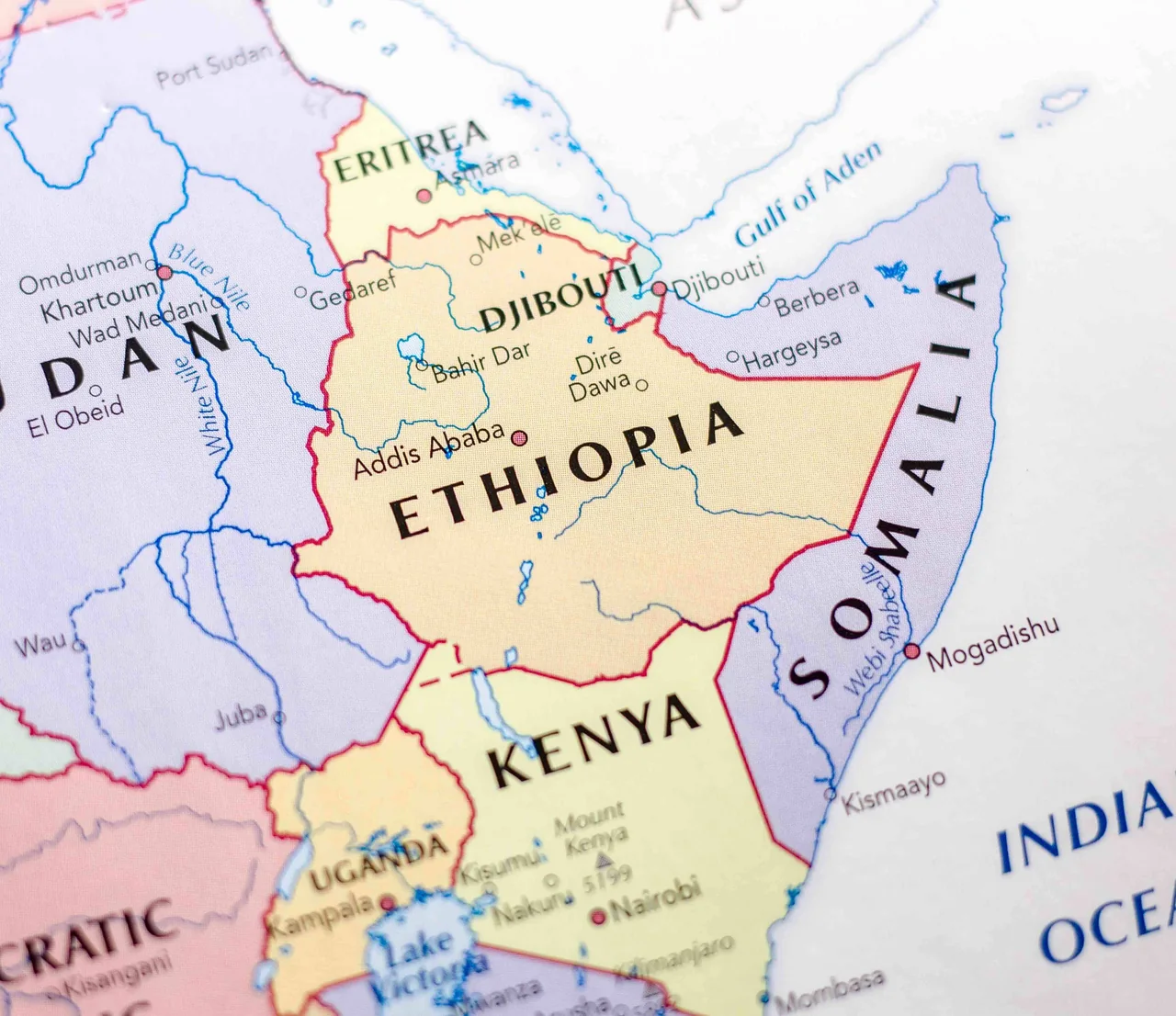
Turkey and Ethiopia have taken a significant step towards strengthening their energy ties with the signing of a memorandum of understanding, paving the way for joint production and projects in the two countries. The agreement was signed during a visit by Turkish President Tayyip Erdogan to Addis Ababa, marking his first trip to Ethiopia in 11 years. This move is expected to have far-reaching implications for both nations, as it will enable them to tap into each other's strengths and expertise in the energy sector. By cooperating on renewable energy and energy efficiency projects, Turkey and Ethiopia can reduce their reliance on fossil fuels and promote sustainable development.
The visit was made possible by an invitation from Ethiopian Prime Minister Abiy Ahmed, who has been instrumental in fostering closer ties between the two countries. Erdogan's one-day trip to Addis Ababa is a testament to the growing relationship between Ankara and the Horn of Africa nation. This visit also highlights Turkey's increasing presence in the region, as it seeks to expand its influence and secure new energy resources.
The memorandum of understanding was signed at a ceremony after talks between Erdogan and Ahmed, with Turkish Energy Minister Alparslan Bayraktar attending the event. Bayraktar stated that the agreement would serve as a roadmap for deeper cooperation between the two countries in the energy sector. This marks an important milestone in Turkey's efforts to become a major player in regional energy markets.
Under the terms of the agreement, Turkey and Ethiopia will collaborate on the development of renewable energy projects and initiatives aimed at improving energy efficiency. The two nations will also work together to produce and install equipment for hydroelectric power plants and electric turbines. This cooperation is expected to have a positive impact on both countries' economies, as it will create new opportunities for investment and job creation.
Turkey has established close ties with Ethiopia in recent years, with the two nations cooperating on various projects and initiatives. In 2024, Ankara played a key role in resolving a dispute between Ethiopia and Somalia over Addis Ababa's plan to build a port in Somaliland. This experience has helped to strengthen Turkey's position as a mediator in regional conflicts.
As part of its growing presence in the region, Turkey has deployed its deep-sea drilling vessel Cagri Bey to Somalia for an offshore exploration mission. This move marks Ankara's first foray into the waters outside its maritime zone, and is seen as a significant step towards expanding its energy resources. The success of this mission will depend on various factors, including the availability of oil and gas reserves in the region.
The agreement between Turkey and Ethiopia is also expected to have implications for the global energy market. With the two nations committing to cooperate on renewable energy projects, they can help reduce their reliance on fossil fuels and promote sustainable development. This shift towards cleaner energy sources will require significant investments and infrastructure development, but it has the potential to create new opportunities for businesses and industries.
The cooperation between Turkey and Ethiopia is a positive development in the region, as it promotes stability and security through economic engagement. By working together on energy projects, the two nations can build trust and confidence with each other, which will be essential for future collaborations and partnerships. This partnership also highlights the importance of regional cooperation in addressing global challenges such as climate change.
As Turkey and Ethiopia move forward with their joint energy projects, it is essential to monitor their progress and provide support where necessary. The success of these initiatives will depend on various factors, including the availability of resources, regulatory frameworks, and public engagement. By providing guidance and expertise, international organizations and experts can help facilitate a smooth transition towards sustainable energy sources.