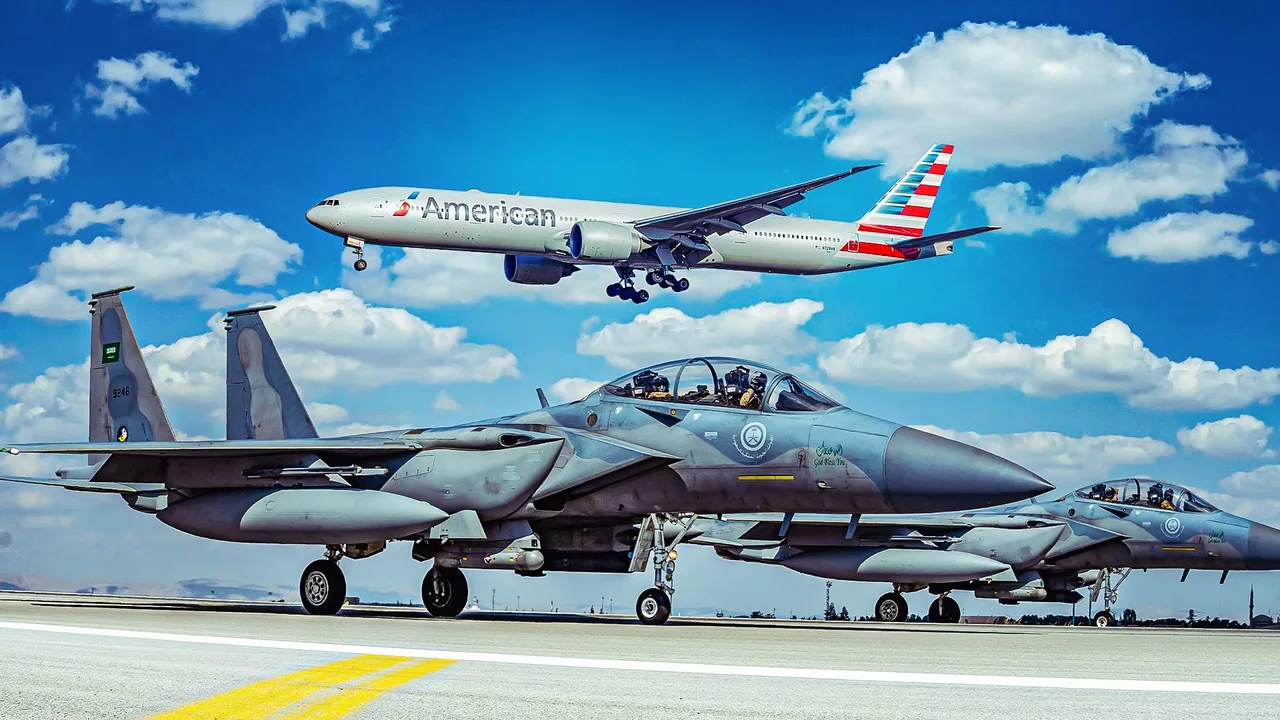
Fighter pilots face a unique set of challenges, including lower salaries compared to their commercial counterparts. However, the military provides several benefits that can make up for the difference.
Commercial flying is a lucrative career choice, with top-tier captains earning significantly more than their military peers.
The pay gap between fighter pilots and commercial airline pilots is not unique to the US or Europe, but rather a global trend.

Regional airlines are playing a crucial role in addressing the pilot shortage by offering sign-on bonuses and guaranteed career paths.
The military provides full medical coverage for free to pilots, as well as additional compensation for housing and food, which can increase take-home pay.
Retirement benefits are also an important factor in the decision-making process for aspiring aviators.

The high-stakes nature of pilot careers means that individuals must carefully weigh their options when considering a career in flight.
As the aviation industry continues to evolve, it is likely that we will see further changes in pilot compensation and benefits.
Ultimately, the choice between a military or commercial airline career comes down to individual priorities and values.

The pay gap between fighter pilots and commercial airline pilots highlights the challenges of attracting and retaining skilled aviators in the military.