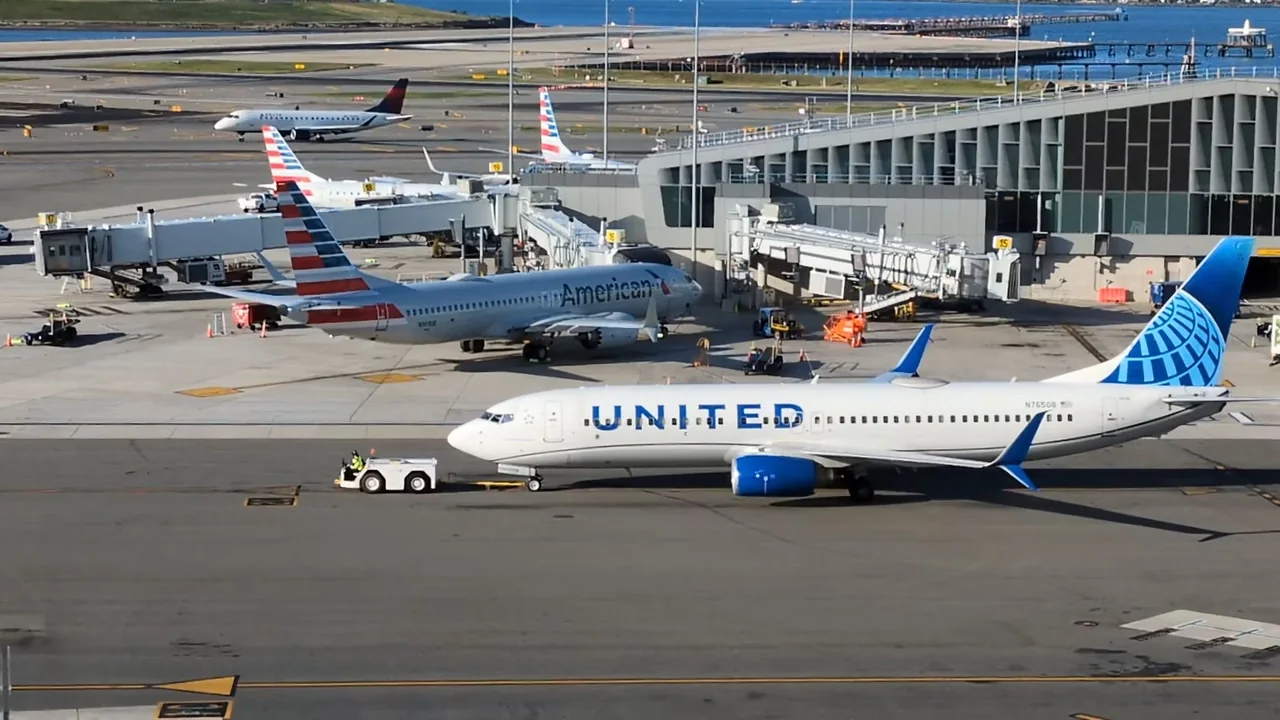
The ambitious proposal made by United Airlines CEO Scott Kirby was met with skepticism from American Airlines, which publicly dismissed the idea. The merged carrier would have accounted for around 30% of all air travel in the US, making it the largest airline in the world.
A merger between American and United would have resulted in a combined fleet of over 2,300 aircraft, with both carriers having already invested heavily in their mainline fleets. This consolidation would have undoubtedly mitigated fuel costs for the airline industry, as the scale offered by the merged carrier would have allowed it to negotiate better deals with suppliers.
The proposed merger was based on the idea that consolidation would help mitigate rising costs for airlines, particularly when it comes to fuel. However, American Airlines' public statement dismissed the idea, citing concerns over competition and consumer welfare.

Network implications of a merger between American and United would have been significant, as both carriers already boast extensive hub networks across the US. The merged carrier would have gained access to Guam, an overseas territory in Micronesia with prime access to Asia, allowing it to expand its international routes.
A merger would also have allowed American to establish itself in key markets such as Seattle and New York, where it could dominate competition from other airlines. This would have been particularly beneficial for the airline industry as a whole, leading to increased competition and reduced prices.
However, the proposed merger was met with skepticism by some, who argued that it would lead to decreased competition and reduced consumer choice. The US government's stance on antitrust law also played a significant role in the proposal's demise.

The airline industry is highly competitive, and mergers can have far-reaching consequences for consumers. A merger between American and United would have undoubtedly had an impact on the industry, leading to increased efficiency and reduced costs.
Despite the proposal's rejection, a merger between American and United remains a possibility in the future. The two airlines have already found themselves in a battle for supremacy in Chicago, highlighting the potential benefits of working together.
A combined fleet would have resulted in a mainline fleet with over 2,300 aircraft, making it one of the largest in the world. This scale would have undoubtedly had an impact on the airline industry, leading to increased efficiency and reduced costs.

A merger of this scale would have significantly impacted the airline industry, leading to increased competition and reduced prices.