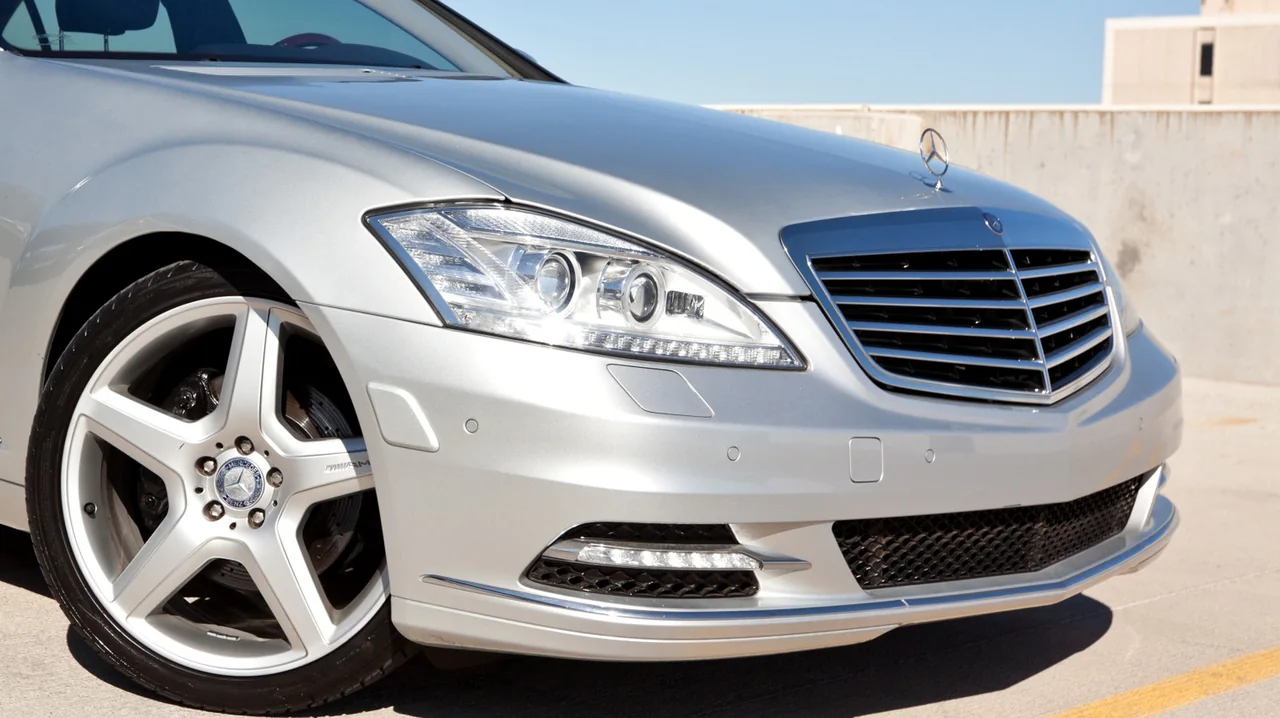
Mercedes-Benz's 2009 S400 BlueHybrid was a game-changer for hybrid cars, introducing lithium-ion battery technology to mass production.
The late 2000s and early 2010s saw the rise of lithium-ion batteries in the automotive industry, offering several advantages over nickel-metal hydride (NiMH) batteries. These included lighter weights, more compact designs, lower self-discharge rates, and longer life cycles. However, lithium-ion batteries also possessed higher energy densities, producing over 270 watt-hours per kilogram compared to NiMH's 60-120 Wh/kg.
The S400 BlueHybrid was the first mass production hybrid car to utilize lithium-ion batteries, which were powered by an electric motor located in the torque converter housing. This innovative design enabled the gasoline engine to work in conjunction with the electric motor, resulting in improved fuel efficiency and reduced CO2 emissions.
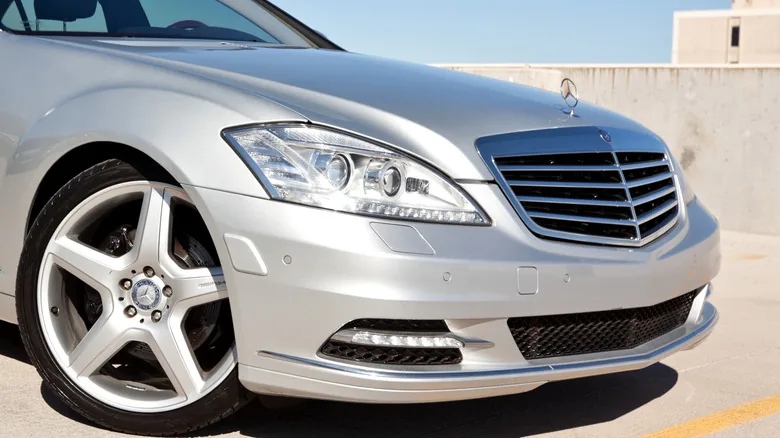
Mercedes-Benz's solution to mitigate the volatility of lithium-ion batteries involved integrating them directly into the cooling system of the car. By maintaining optimal battery temperatures between 59 and 95 degrees Fahrenheit, the company was able to minimize the risk of fire and ensure reliable performance.
The S400 BlueHybrid's powertrain featured a 3.5-liter Atkinson-cycle V6 engine paired with a small electric motor, producing a combined output of 295 horsepower and 284 lb-ft. The electric motor added significant torque to the system, enabling a reported 0-60 mph time of just 7.1 seconds.
The hybrid system also utilized regenerative braking, where the gasoline engine would stop working at speeds below nine mph, allowing the electric motor to act as a generator and recoup lost battery energy. This technology not only improved fuel efficiency but also reduced wear on the engine.
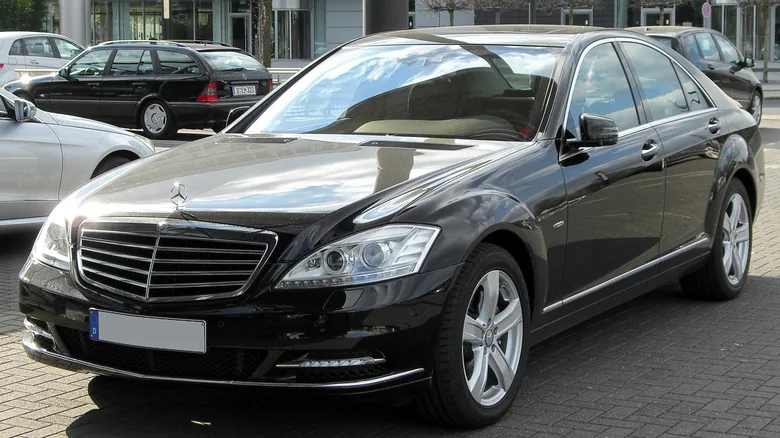
In addition to its impressive performance, the S400 BlueHybrid boasted an EPA-estimated 19 mpg in the city, 25 mpg on the highway, and 21 mpg combined. This marked a significant improvement over traditional gasoline-powered vehicles of the time, cementing the S-Class as the most fuel-efficient model available.
The widespread adoption of lithium-ion batteries in hybrid cars has had a profound impact on the automotive industry. As electrified vehicles continue to gain popularity, their energy density and efficiency have become increasingly important factors in design and development.
Today, lithium-ion battery technology is ubiquitous in the automotive sector, with many manufacturers incorporating them into their hybrid and electric models. The Mercedes-Benz S400 BlueHybrid's pioneering work in this area has paved the way for significant advancements in fuel efficiency and reduced CO2 emissions.
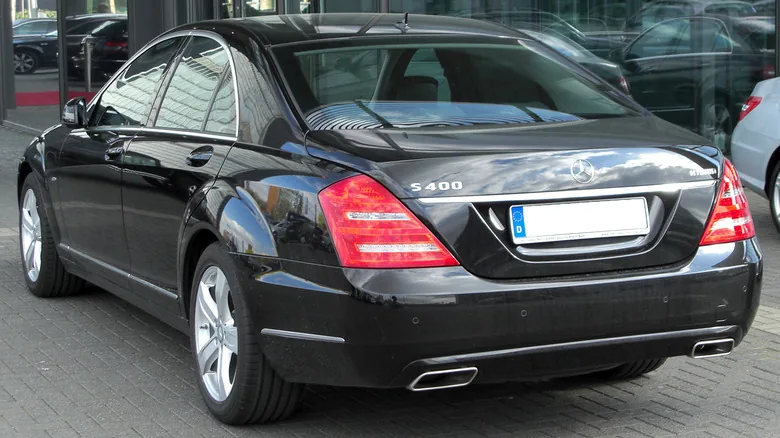
The success of the S400 BlueHybrid serves as a testament to the innovative spirit of automotive engineering, where cutting-edge technology can have far-reaching consequences for the industry as a whole.
The integration of lithium-ion batteries into the cooling system of the Mercedes-Benz S400 BlueHybrid marked a significant milestone in automotive technology.