
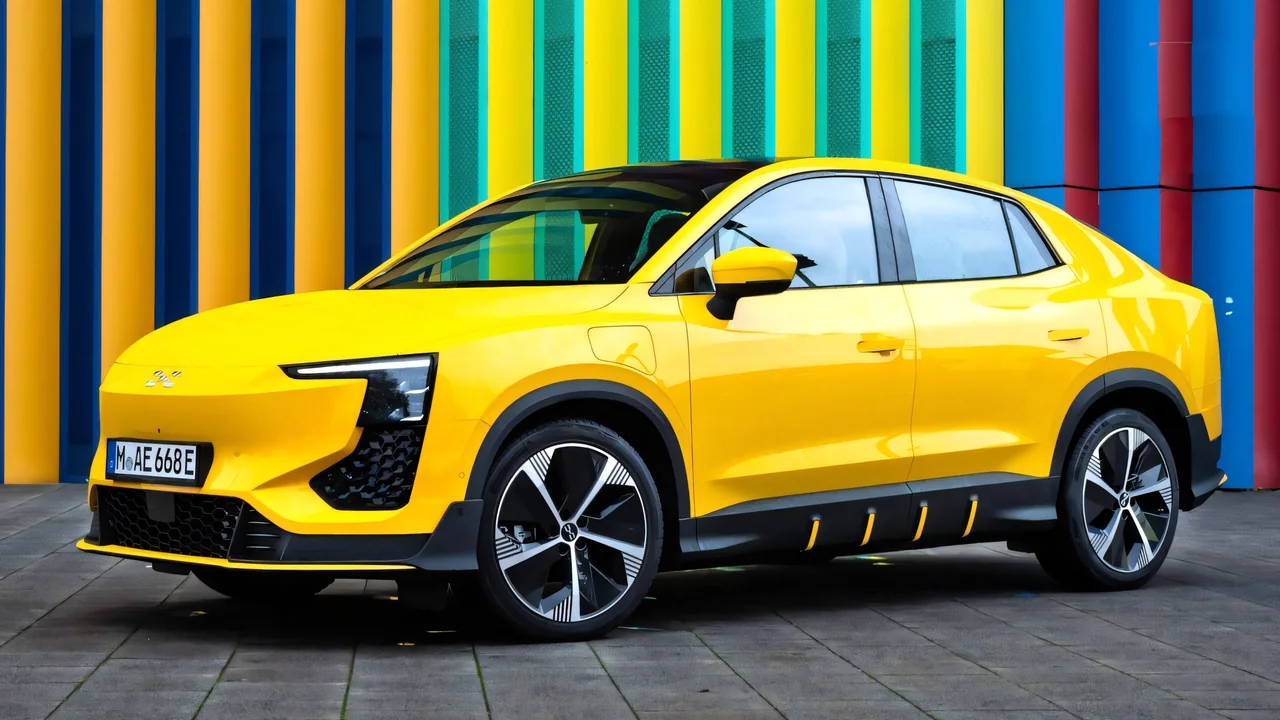
Chinese EVs are depreciating rapidly in Europe, a new study reveals. Bargain prices might win showroom battles, but collapsing resale values are proving a problem in Europe. This trend is causing concern among lease companies and private buyers.
Fresh figures from Germany's DAT vehicle valuation group show Chinese EVs and plug-in hybrids are depreciating twice as fast as the industry average. And the rate of depreciation is only getting worse. This rapid decline in value is leaving owners facing painful trade-in figures, manufacturers risking losses through guaranteed buyback schemes, and leasing companies discovering cars returning are worth far less than expected.
The impact on European buyers is also significant, with uncertainty about Chinese brands' long-term presence causing cautious used buyers to think twice. Concerns about servicing, replacement parts, and dealer networks continue to plague the market, making it challenging for buyers to make informed decisions.
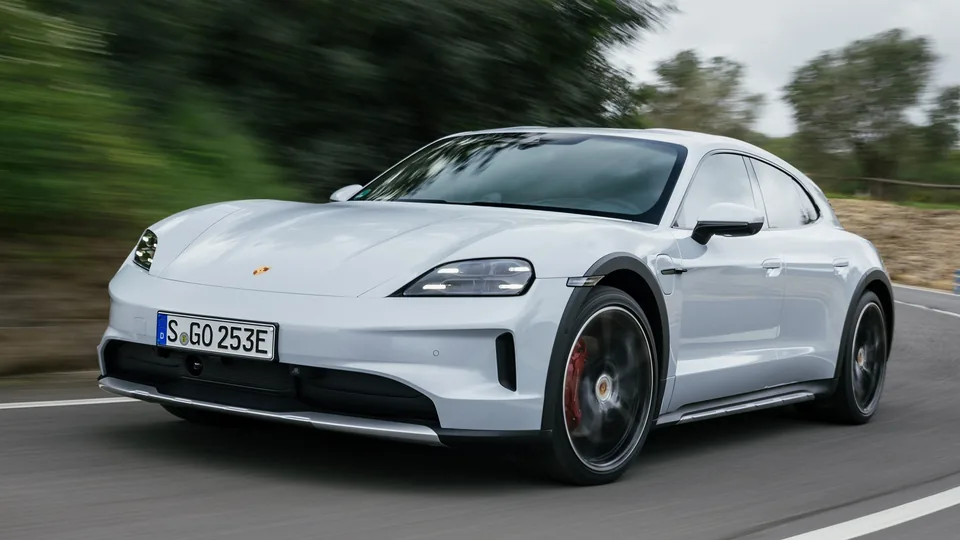
But it's not only Chinese EVs suffering from this trend. The average three-year-old EV in the UK is worth 38 percent of its original value, compared to 46 percent in Germany, France, and Spain. This decline in residual values is also affecting other vehicle types, such as petrol cars and hybrids.
The rapid technological progress in electric vehicles is also contributing to this problem. Chinese brands are releasing updates at breakneck speed, meaning today's cutting-edge EV can suddenly feel old-fashioned months later. While this innovation is beneficial for the industry, it's having a negative impact on resale values.
Carmakers are under immense pressure to increase EV sales, which has led to massive discounts on new models. This has pushed Chinese cars, such as the Jaecoo 7, to the top of the UK sales chart for the first time ever. However, this also means that nearly-new EVs are looking overpriced beside heavily incentivized factory-fresh cars.
The situation is further complicated by the influx of cars from China, which is affecting the entire European market. As a result, buyers are becoming increasingly cautious, and the demand for used vehicles is decreasing.
s stress that this trend requires a comprehensive response to address the concerns of lease companies, private buyers, and manufacturers. They emphasize the need for strong support systems behind the scenes to maintain used buyer confidence and ensure the long-term viability of electric vehicle brands.
As the European market continues to navigate this challenging landscape, it's essential for stakeholders to work together to find solutions that balance innovation with sustainability. The future of electric vehicles in Europe hangs in the balance, and it's crucial that we address these issues promptly to avoid further damage to the industry.
s stress the need for strong support systems behind the scenes to maintain used buyer confidence