


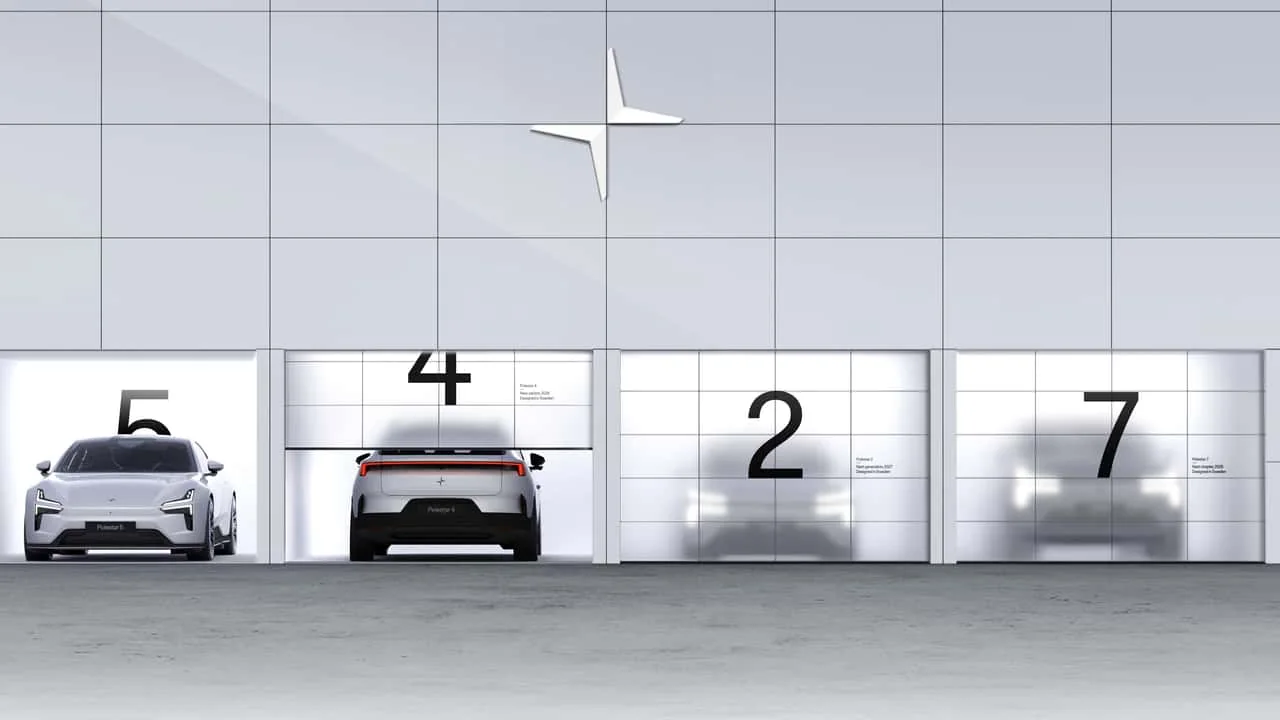
Polestar, the Swedish electric vehicle manufacturer, has been making waves in the automotive industry with its ambitious plans for model lineup expansion. The company has teased that it will be launching 'the largest model offensive in history', but unfortunately, this exciting announcement comes with a caveat - the highly anticipated halo car is delayed. This news may leave some fans of Polestar's innovative designs and electric powertrains feeling disappointed and uncertain about the future of the brand.
The delay in the halo car's launch has sparked speculation among automotive enthusiasts and industry insiders alike. While Polestar has not provided a specific timeline for the car's release, it is clear that the company is eager to unveil its latest model offerings. However, with so much anticipation surrounding these new vehicles, any delay can have significant repercussions on sales projections and overall brand reputation.
Polestar's decision to focus on expanding its model lineup without the halo car suggests a strategic shift in priorities for the company. While this may be seen as a calculated risk by some, it also raises questions about the long-term viability of Polestar's business model. Will the company's aggressive expansion plans pay off in the end, or will they ultimately prove to be a costly mistake?
The halo car is expected to play a significant role in Polestar's future success, serving as a flagship model that showcases the brand's commitment to innovation and sustainability. Without this key vehicle, Polestar may struggle to differentiate itself from its competitors in the highly competitive electric vehicle market.
Polestar's expansion plans have been driven by the company's vision of creating a more sustainable and environmentally friendly transportation ecosystem. By introducing new models to its lineup, Polestar aims to appeal to a broader range of customers and establish itself as a leader in the electric vehicle sector.
The delay in the halo car's launch may also have implications for Polestar's partnerships with other companies and organizations. With so much anticipation surrounding this model, any delays or setbacks could impact Polestar's ability to meet its commitments to these partners.
Polestar has not commented on the cause of the delay or provided a revised timeline for the halo car's release. However, it is clear that the company is working diligently to bring this highly anticipated vehicle to market as soon as possible.
The delay in Polestar's halo car launch serves as a reminder that even the most well-planned and ambitious business strategies can be derailed by unforeseen circumstances. As the automotive industry continues to evolve at an unprecedented pace, companies like Polestar must remain agile and adaptable in order to stay ahead of the curve.
Polestar's future success will depend on its ability to navigate this setback and emerge stronger than ever. With a focus on innovation and sustainability, the company has already established itself as a major player in the electric vehicle market. Now, it is up to Polestar to deliver on its promises and prove that its expansion plans are worth the wait.
Polestar's model lineup expansion may be delayed, but the company's commitment to creating a more sustainable transportation ecosystem remains unwavering. As the automotive industry continues to shift towards electric vehicles, companies like Polestar will play an increasingly important role in shaping this new landscape.
Polestar's aggressive expansion plans may face a setback due to the delay in their flagship halo car.


