Ford's Special Vehicle Operations division began developing high-tech performance variants of Ford's best cars in the 1980s, marking a significant shift in the brand's efforts towards motorsport and aftermarket parts.
This transition was spearheaded by Walter Hayes, Ford of Britain's PR head, who played a pivotal role in the development and public perception of the Ford GT program.
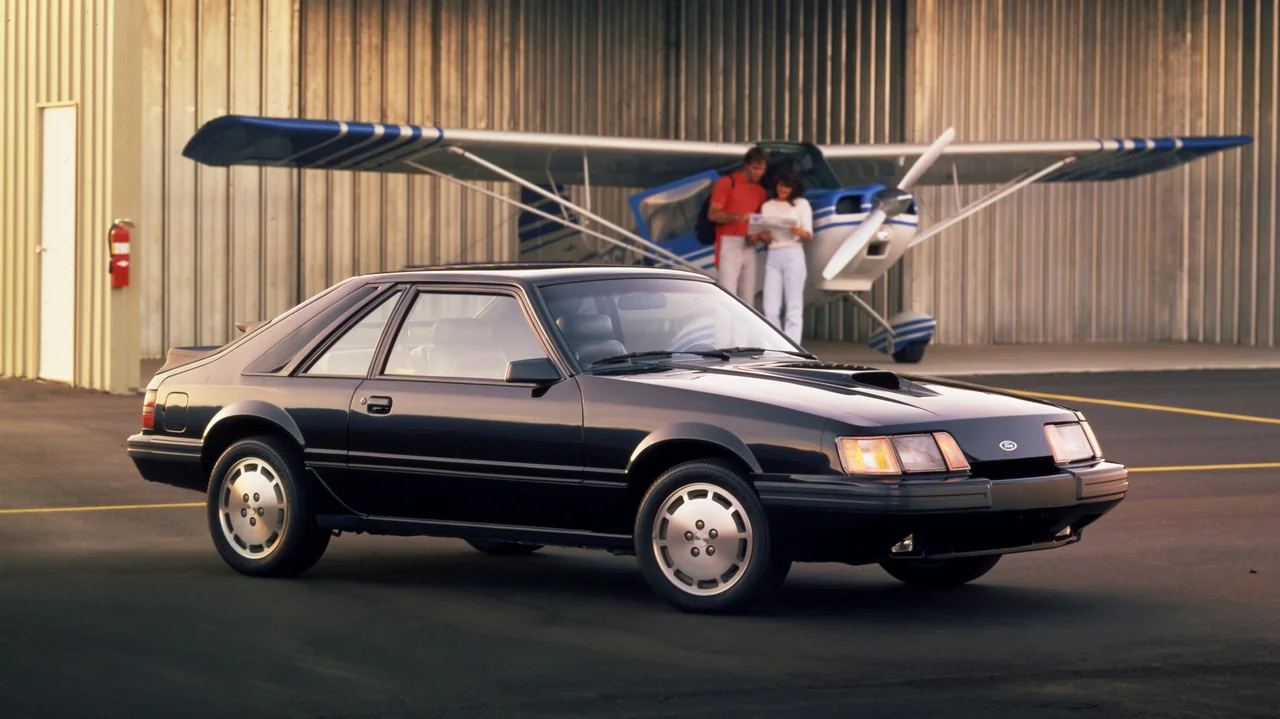
Working with Michael Kranefuss, Ford of Germany's racing boss, the first Mustang SVO launched with a European-style turbocharged four-cylinder engine that outperformed the GT's 5.0-liter V8.
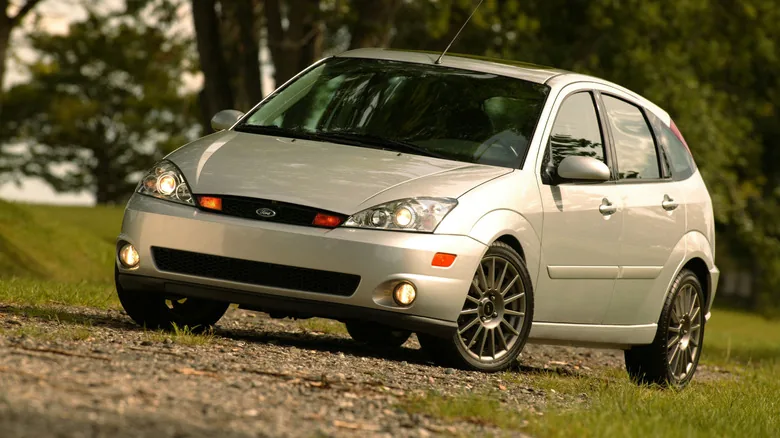
The success of SVO paved the way for SVT, which brought focused performance to every model it touched, resulting in more power, better handling, and aesthetic mastery.
The Mustang SVO was an experiment in building European-style speed by adding a turbocharger to the company's staid Lima-Ohio-built 4.3-liter V6 engine.
Cribbed from the large Thunderbird Turbo Coupe, SVO added an intercooler to pump horsepower to 175 ponies, making it an instant press and enthusiast darling.
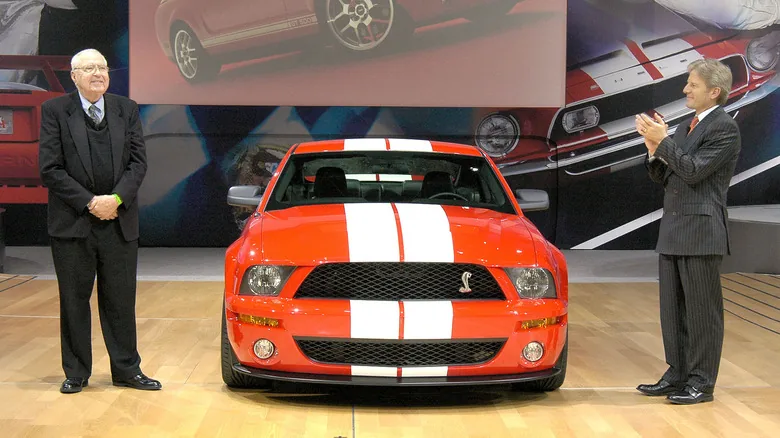
The car's unique features, such as manhole cover wheels and a bi-plane rear wing, set it apart from its regular Mustang siblings.
The SVO was also notable for its interior, which featured a Hurst shifter, standard power everything, and special bolstered sport seats with pump-up lumbar support.
Today, the legacy of SVO and SVT continues to shape the automotive industry, with high-performance vehicles remaining a staple of Ford's lineup.
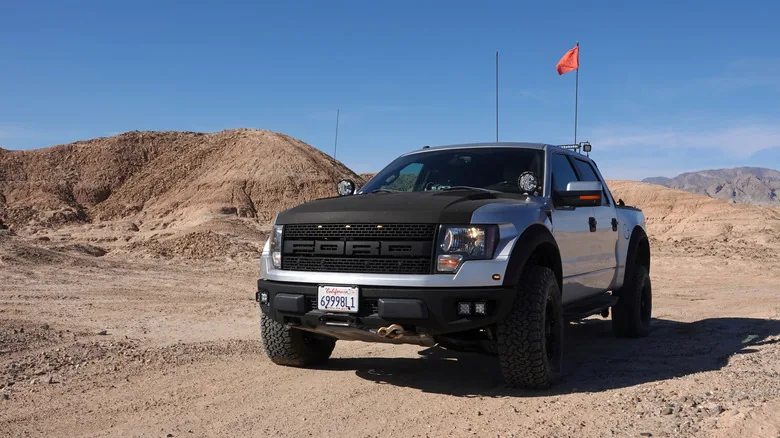
The legacy of SVO and SVT continues to shape the automotive industry with its focus on high-performance vehicles.