

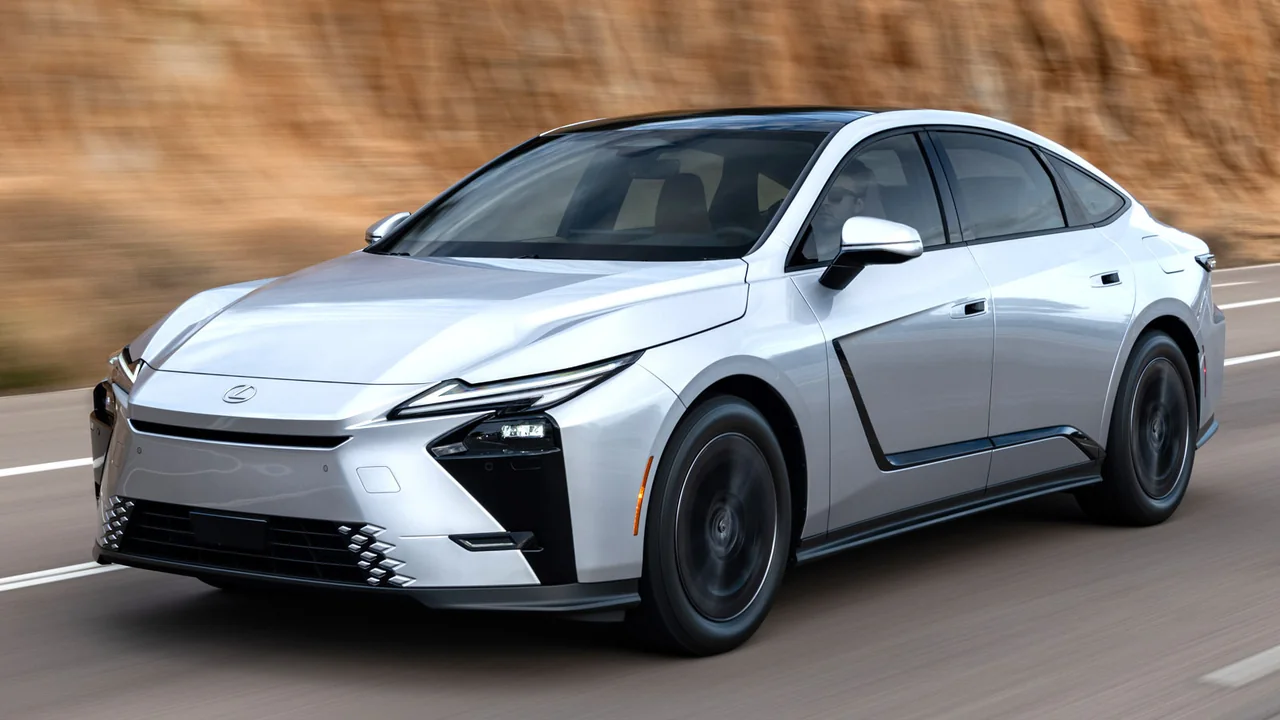
The highly anticipated new Lexus ES has been shrouded in secrecy, with insiders revealing that the company's engineers couldn't stop fighting over its design. The dispute allegedly revolved around the car's powertrain and screen options, but it seems that there was more to it than meets the eye. This internal conflict highlights the complexities of designing a luxury vehicle, where every detail matters. Lexus is known for its attention to detail and commitment to quality, making this development all the more intriguing.
While some might assume that the ES's powertrain would be the primary point of contention, it appears that design and engineering teams had different priorities. This dichotomy underscores the challenges faced by automakers in balancing aesthetics with functionality. The Lexus ES is a prime example of how these competing interests can impact the final product.
The feud also raises questions about the long-term design plans for the ES. With the luxury car market becoming increasingly competitive, it's possible that Lexus may have compromised on its original vision to appease different stakeholders. This could have significant implications for the brand's reputation and customer expectations.
s are weighing in on the issue, with some suggesting that this type of dispute is not uncommon in the automotive industry. However, others argue that it highlights a deeper problem – the lack of clear communication and decision-making processes within companies.
The Lexus ES's development is also notable for its potential impact on the luxury car market as a whole. With the rise of electric vehicles and autonomous technology, automakers are facing unprecedented challenges in designing cars that meet customer demands. The ES's design may be seen as a microcosm of these broader industry trends.
One possible solution to this problem is increased collaboration between design and engineering teams. By fostering a more open and transparent communication environment, companies can avoid similar conflicts in the future. However, this requires a cultural shift within organizations that prioritizes collaboration over individual interests.
The Lexus ES's development also underscores the importance of clear decision-making processes within companies. With so many stakeholders involved in the design process, it's easy for competing priorities to emerge. By establishing clear goals and objectives, companies can ensure that their products meet customer expectations and stay competitive in a rapidly changing market.
Ultimately, the Lexus ES's development is a reminder of the complexities involved in designing luxury vehicles. With so many factors at play, it's no wonder that internal conflicts arose during its creation. As the automotive industry continues to evolve, companies will need to navigate these challenges to stay ahead of the competition.
The ES's design may also have implications for Lexus's reputation and customer expectations. If the brand is seen as compromising on its original vision, it could impact sales and loyalty. However, if Lexus can successfully execute its design plans, it could lead to a new level of success in the luxury car market.
As the automotive industry continues to shift towards electric vehicles and autonomous technology, companies like Lexus will need to adapt their designs to meet changing customer demands. The ES's development is an important step in this process, and its outcome will have significant implications for the future of luxury cars.
The Lexus ES's development is a microcosm of the challenges faced by automakers today.