
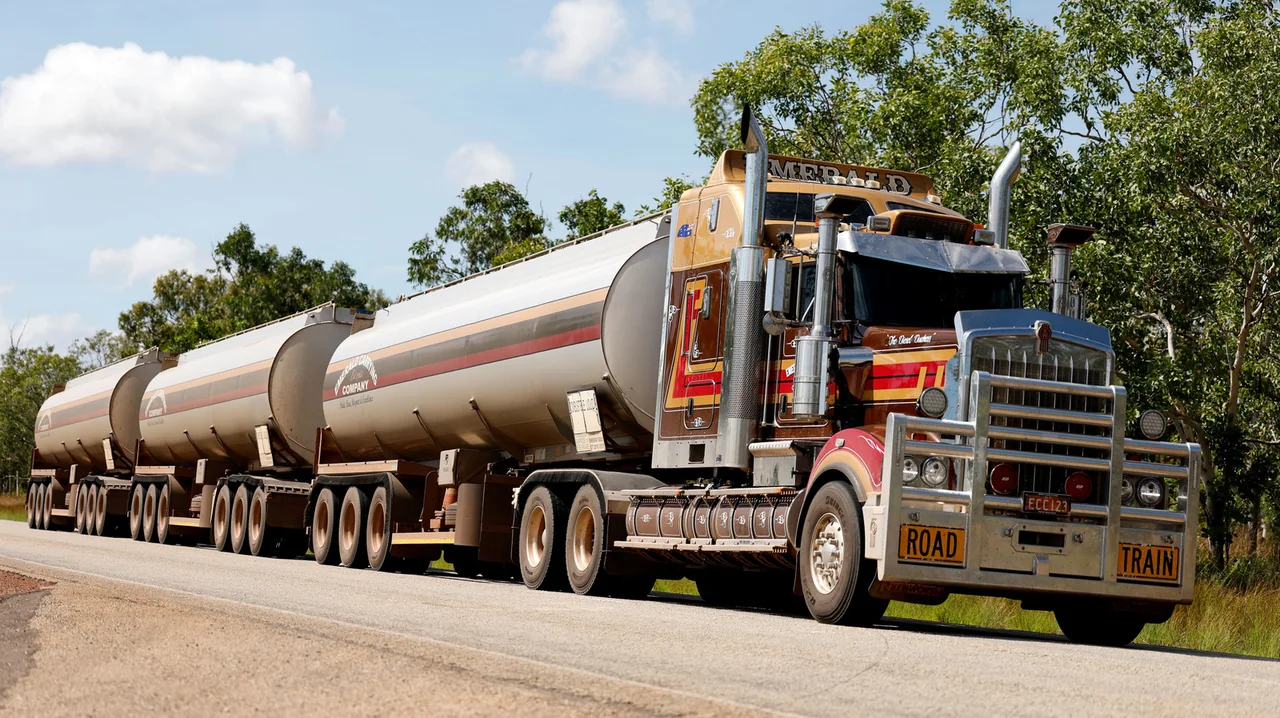
Australian Road Trains Outsize American Semi Trucks In the vast expanse of Australia's Outback, a different breed of trucking behemoths reign supreme. The Australian road train, a marvel of logistics engineering, dwarfs its American semi-truck counterparts in both size and efficiency.
The sheer scale of these vehicles is awe-inspiring, with some stretching up to 175 feet in length and weighing up to five times that of an American semi-truck. In contrast, the longest vehicle ever built, a trackless overland train powered by nuclear energy, barely edges out the Australian road train's maximum length.
However, the reasons behind the adoption of these massive freight trains are rooted in Australia's unique geography and infrastructure.
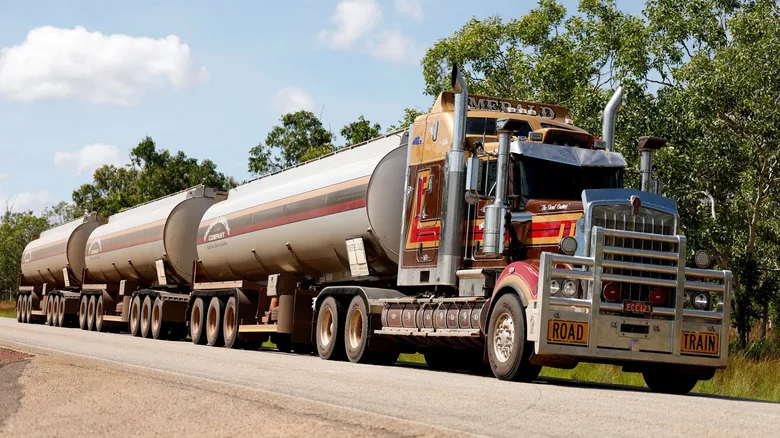
The country's interstate highway system was designed with standard-sized commercial semi-trucks in mind, featuring tight radius cloverleaf interchanges and dense metropolitan merging lanes. This design prioritizes speed and efficiency over size and capacity.
In stark contrast, the Australian Outback presents a vastly different landscape, with few intersections and massive turning radii. The result is an infrastructure that can accommodate the enormous length and weight of road trains, making them an ideal solution for hauling heavy cargo across vast distances.
Despite their advantages, American trucking companies have yet to adopt road trains as a viable option. This is largely due to regulatory hurdles and structural differences between the two countries.
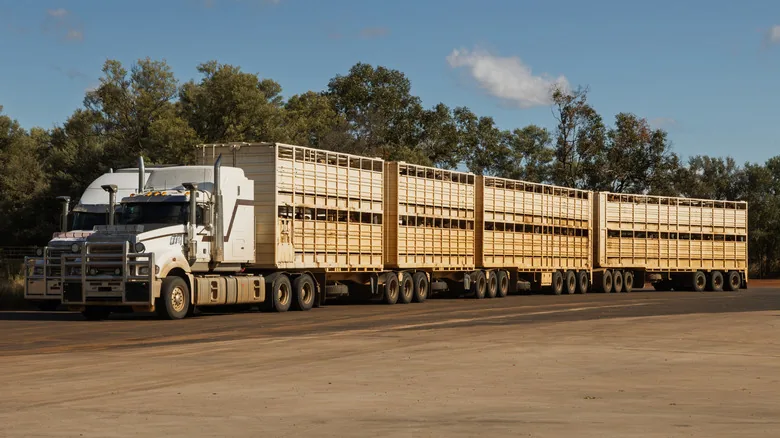
The U.S. Federal Highway Administration strictly enforces axle weight limits and overall length laws to preserve bridges and roads. The capped gross vehicle weight of six-axle semi trucks travelling on federal highways is 80,000 pounds, which is far below the weight capacity of a road train.
Furthermore, the American interstate highway system's design prioritizes speed and efficiency over size and capacity, making it difficult to accommodate the enormous length and weight of road trains. The result is a logistical challenge that has yet to be overcome by American trucking companies.
In conclusion, while Australian road trains offer an efficient solution for hauling heavy cargo across vast distances, their adoption in the United States remains hindered by structural and regulatory differences between the two countries.

paragraphs
The Australian road train concept is hindered by structural and regulatory differences between the two countries.