
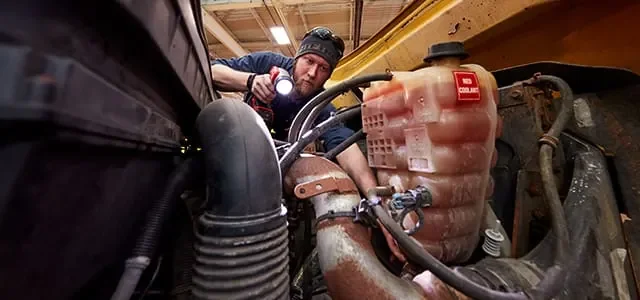
As summer heat intensifies, the strain on heavy-duty trucks' cooling systems becomes increasingly dire. The prolonged periods of stop-and-go traffic, combined with the weight of heavy loads, put a tremendous amount of pressure on these complex systems. It is essential for fleets to recognize the importance of regular maintenance in preventing costly breakdowns and ensuring optimal performance.
The modern truck's cooling system is far more intricate than its predecessors. Engine oil coolers, transmission coolers, power steering coolers, EGR cooling systems, and HVAC components all contribute to maintaining the vehicle's operating temperature. When one component begins to falter, it can have a ripple effect on the entire system, leading to decreased efficiency and increased risk of failure.
The sheer amount of heat generated by heavy-duty trucks makes proper cooling systems maintenance even more critical. Even with advanced diesel engines, a significant portion of fuel energy is converted into heat that must be dissipated through the exhaust and cooling systems. Without these systems functioning correctly, temperatures can rise rapidly, resulting in a cascade of performance and reliability issues.

The impact of neglecting cooling system maintenance cannot be overstated. Small problems can develop gradually over time, causing significant downtime costs for fleets. Debris buildup in the A/C condenser or faulty cooling fans can quietly reduce system efficiency long before a failure occurs, ultimately leading to costly repairs and extended periods of inactivity.
Furthermore, some modern applications even include secondary radiators dedicated to cooling EGR systems, adding another layer of complexity to these already intricate systems. This increased intricacy demands that technicians possess a deep understanding of the various components and their interactions.
The challenge for fleets and repair facilities lies in identifying and addressing underperforming cooling sub-systems before they become major issues. When one component fails, it can cause a domino effect on the entire system, leading to decreased efficiency, increased fuel consumption, and heightened risk of roadside failure.

Regular inspections and maintenance are crucial to preventing breakdowns and ensuring optimal performance. Fleets must prioritize cooling system inspections to identify potential problems before they become major issues.
The hidden cost of gradual inefficiency can be substantial, far outweighing the immediate expense of a breakdown. By prioritizing cooling system maintenance, fleets can minimize downtime costs and ensure their trucks remain operational throughout the peak operating season.
Ultimately, it is the responsibility of fleet owners and operators to recognize the importance of regular cooling system inspections and maintenance. By doing so, they can prevent costly repairs, reduce downtime, and ensure their heavy-duty trucks continue to perform at optimal levels.
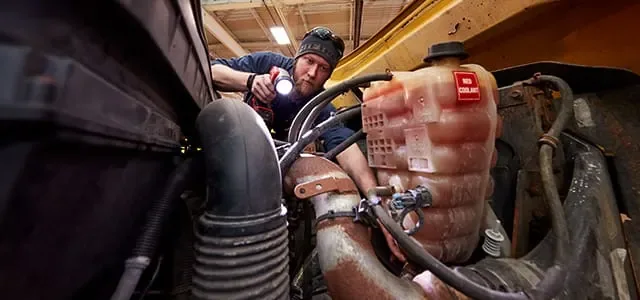
Regular inspections and maintenance are crucial to prevent breakdowns and ensure optimal performance.