The auto industry often operates on different timelines than broader market trends, which is why there's been an influx of reviews for new electric vehicles despite declining demand in certain regions. This is partly due to investments made during a time when EV adoption rates were increasing and full electrification seemed imminent everywhere.
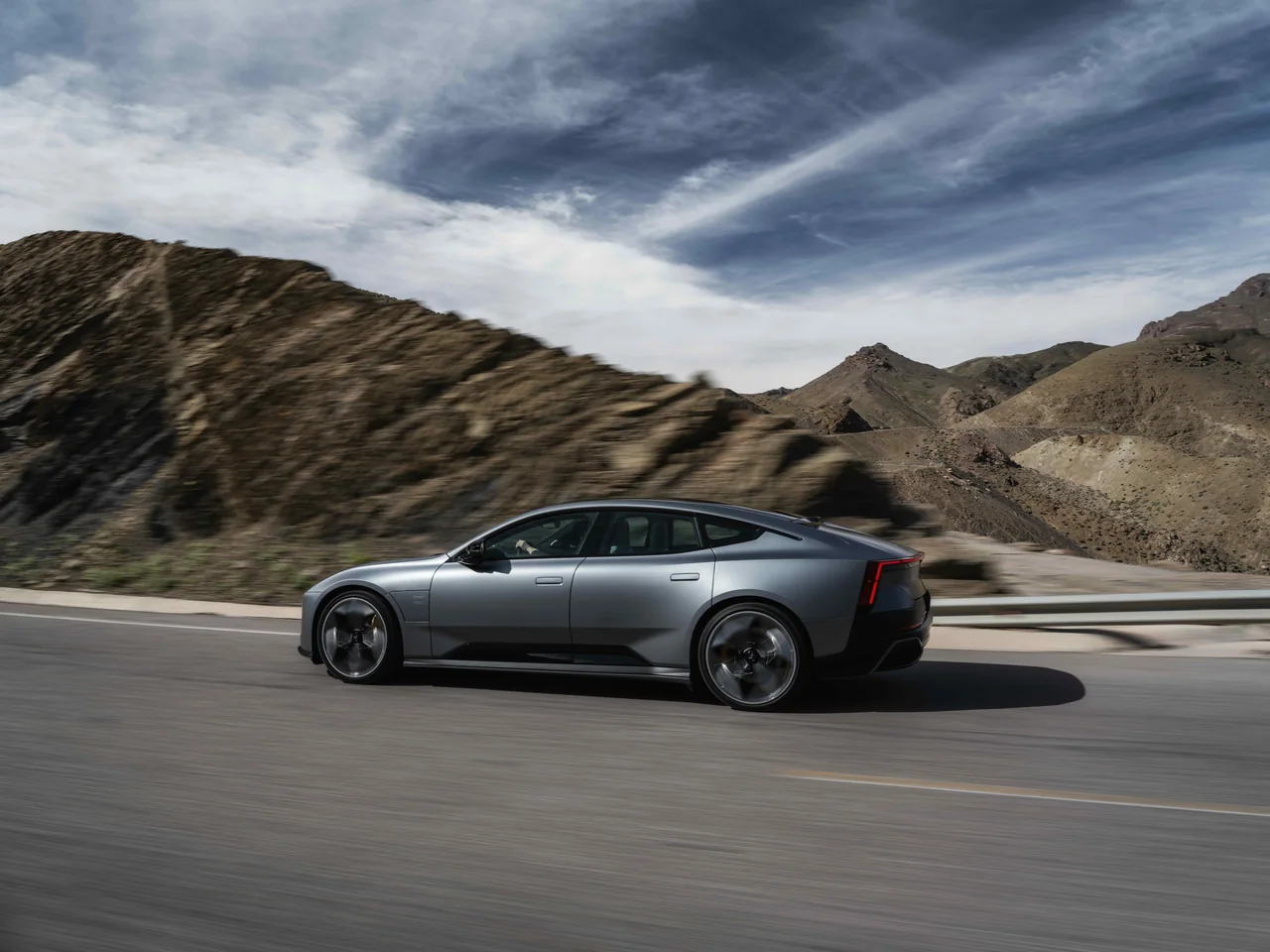
This approach can be seen as a bet placed years ago, with the Polestar 5 being one such model that aims to capitalize on the growing demand for luxury electric vehicles.
The Polestar 5 is positioned in the same space as other high-end electric models like the Porsche Taycan, Lucid Air, and upcoming Jaguar Type 01, making it a significant addition to this crowded market.

As a halo model, the Polestar 5 sits above its siblings, the Polestar 3 SUV and Polestar 4 crossover, and features a new architecture that differs from those of its predecessors.
This unique approach allows Polestar to offer three different models on three distinct platforms, although it may not be the most efficient way to manufacture cars.
The Polestar 5's underpinnings are built around the Polestar Performance Architecture, which utilizes bonded aluminum and has been used by other manufacturers for over 20 years.

This construction method is well-suited for low-volume high-end models like the Polestar 5, which is likely to appeal to customers seeking a premium driving experience.
The car's British engineering roots are evident in its design and development, with a significant portion of the R&D team hailing from the UK.
However, the fact that it will be manufactured in China may pose challenges for US sales due to tariffs and trade restrictions.

The Polestar 5's focus on performance and luxury positioning it as a serious rival to the Taycan.