
Locking and limited-slip differentials are two types of differentials used in vehicles to improve traction and stability. These differentials can be categorized into open, locking, and limited-slip, and each type has its own advantages and disadvantages. In general, an open differential allows the inner and outer wheels to spin at different speeds when the car is taking a corner.
Open differentials struggle in low-traction situations because the torque on the wheel with better traction is limited by the wheel that's slipping, sabotaging acceleration. This limits the performance of vehicles in off-road or racing applications. As a result, drivers often upgrade to either a locking or a limited-slip differential to improve their vehicle's capabilities.
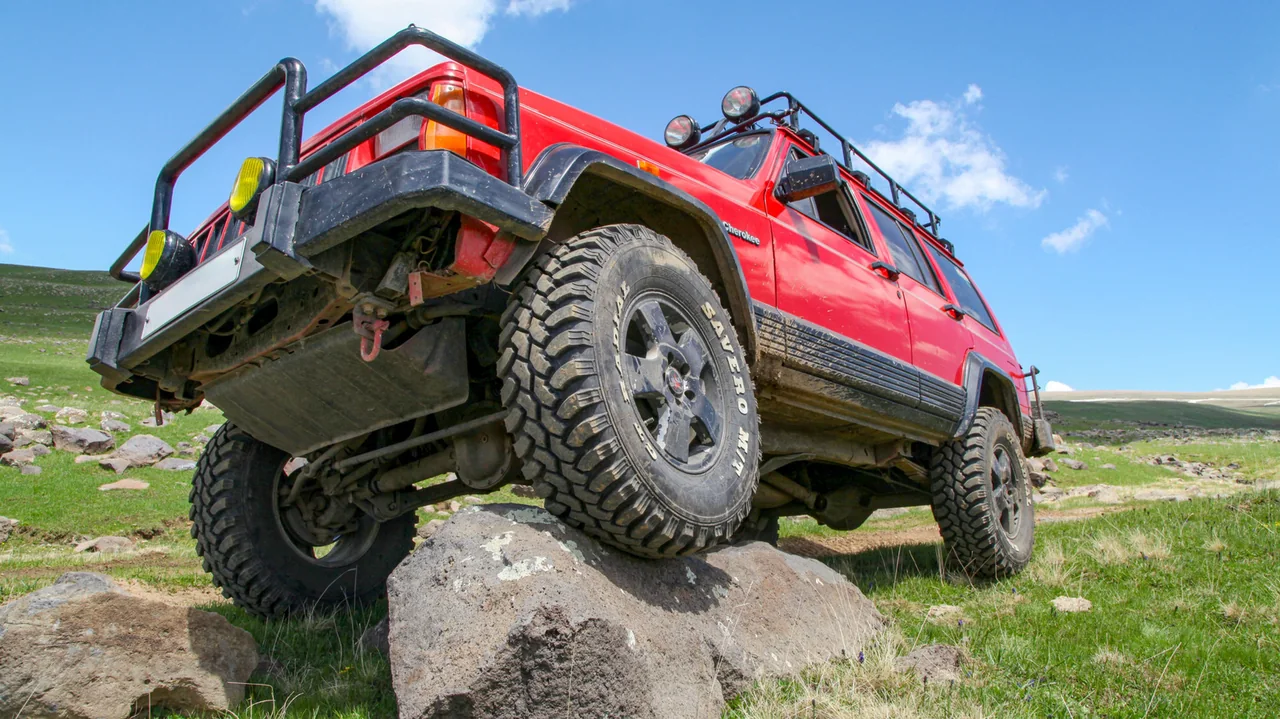
Locking differentials are typically preferred by off-road enthusiasts because they provide better traction in low-traction situations. However, this setup negatively affects the vehicle's turning ability as both wheels are now rotating at the same speed regardless of the differences in traction.
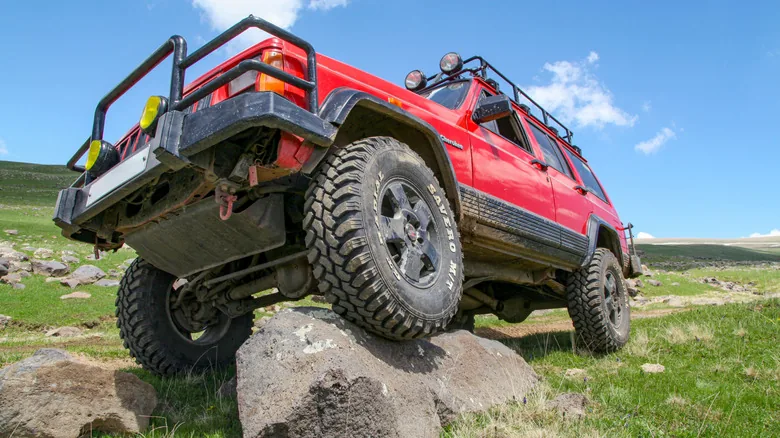
In contrast, limited-slip differentials can be considered a hybrid between an open and locking setup. They work like an open diff in most situations — allowing the vehicle to turn smoothly — but when there is wheel slip, a limited-slip differential sends more torque to the wheel with better traction.
Limited-slip differentials offer a balance between the two setups, providing improved traction without sacrificing turning ability. This makes them suitable for drivers who want to upgrade their vehicle's capabilities without compromising on handling.
There are various types of locking differentials available, including automatic and manual/selectable options. Automatic lockers remain locked by default and unlock when necessary, while others do the opposite. Manual/selectable lockers offer greater control over the differential's operation but can be more expensive.
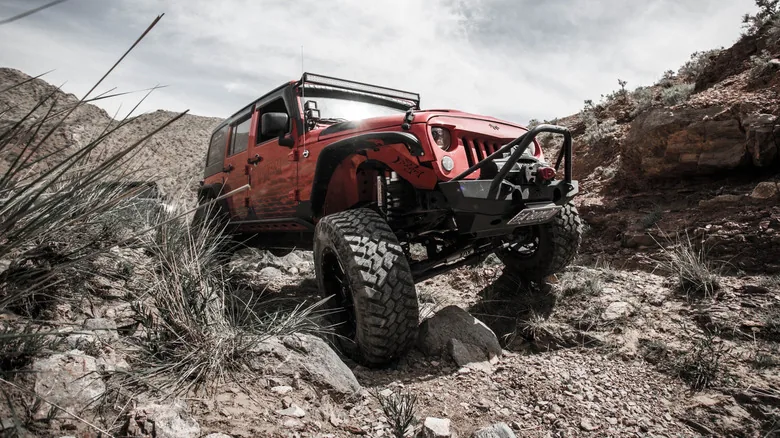
Manual/selectable lockers come in different forms, such as cable-operated, air lockers, and electronic or e-lockers. These options provide greater control over the differential's operation but may require more maintenance and upkeep.
Ultimately, the choice of differential upgrade depends on the driver's driving style and preferences. Drivers who prioritize traction and stability in off-road applications may prefer locking differentials, while those who value handling and agility may opt for limited-slip differentials.
The choice of differential upgrade depends on the driver's driving style and preferences.