
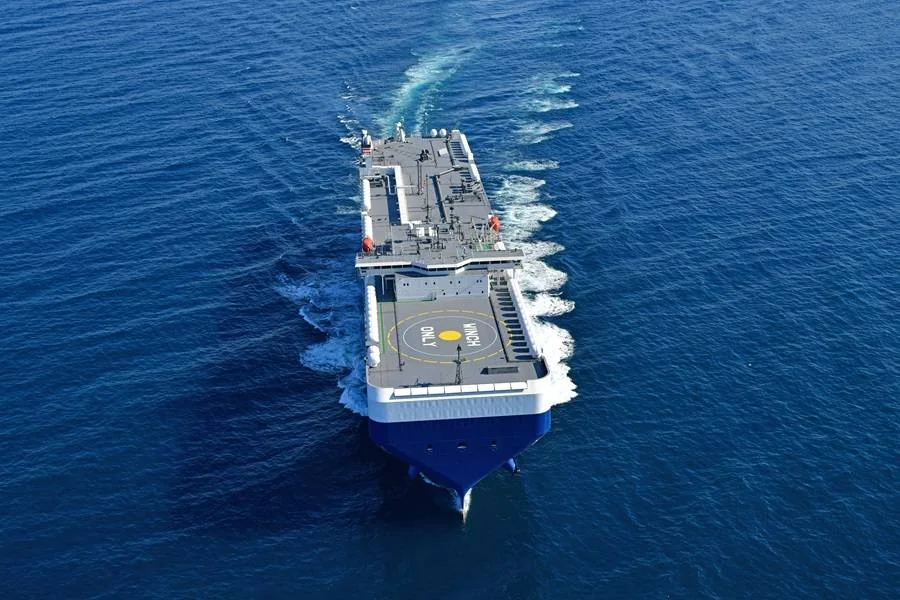
NYK has launched a groundbreaking one-year trial to evaluate the effects of 100% biofuel on its car carrier. The trial marks a significant step towards decarbonizing the global shipping industry. By using B100, NYK aims to reduce its carbon footprint and contribute to a more sustainable future.
The use of biofuels in shipping is gaining momentum as the industry seeks to reduce greenhouse gas emissions. Biofuels are considered a promising 'drop-in fuel' option because they can be used with existing ship engines and infrastructure. The trial will provide valuable insights into the operational safety and stability of high-purity biofuels like B100.
The NYK-operated car carrier will be continuously operated on B100 for one year, allowing researchers to collect long-term data on its performance. This trial is a crucial step towards understanding the challenges and benefits of using 100% biofuel in shipping. The results will inform the development of more sustainable fuels and operational practices.
The shipping industry has been actively introducing alternative fuels to reduce GHG emissions. NYK's initiative is part of this broader effort, which includes the use of biofuels, hydrogen fuel cells, and other low-carbon technologies. As the industry continues to evolve, it is essential to prioritize sustainability and decarbonization.
The trial will also help to address concerns about the stability of high-purity biofuels like B100. These fuels are susceptible to degradation from oxygen, light, and heat, which can affect their performance and safety. By studying the effects of long-term B100 operation, researchers can develop strategies to mitigate these issues.
The use of 100% biofuel in shipping is still a relatively new concept, but it has the potential to make a significant impact on reducing GHG emissions. The NYK trial will provide valuable insights into the operational safety and stability of this fuel type, which can inform the development of more sustainable fuels and practices.
The trial is designed to evaluate the effects of B100 on various aspects of ship operations, including engines, fuel supply systems, and operational practices. By collecting long-term data, researchers can identify areas for improvement and develop strategies to optimize performance.
NYK's commitment to sustainability and decarbonization is reflected in its ongoing efforts to promote the use of biofuels and other low-carbon technologies. The company has a strong track record of innovation and has been at the forefront of introducing alternative fuels into its operations.
The results of this trial will have far-reaching implications for the shipping industry, providing valuable insights into the operational safety and stability of 100% biofuel. As the industry continues to evolve, it is essential to prioritize sustainability and decarbonization, making the use of biofuels a key part of this effort.
Biofuels offer a promising solution for reducing GHG emissions in the shipping industry.