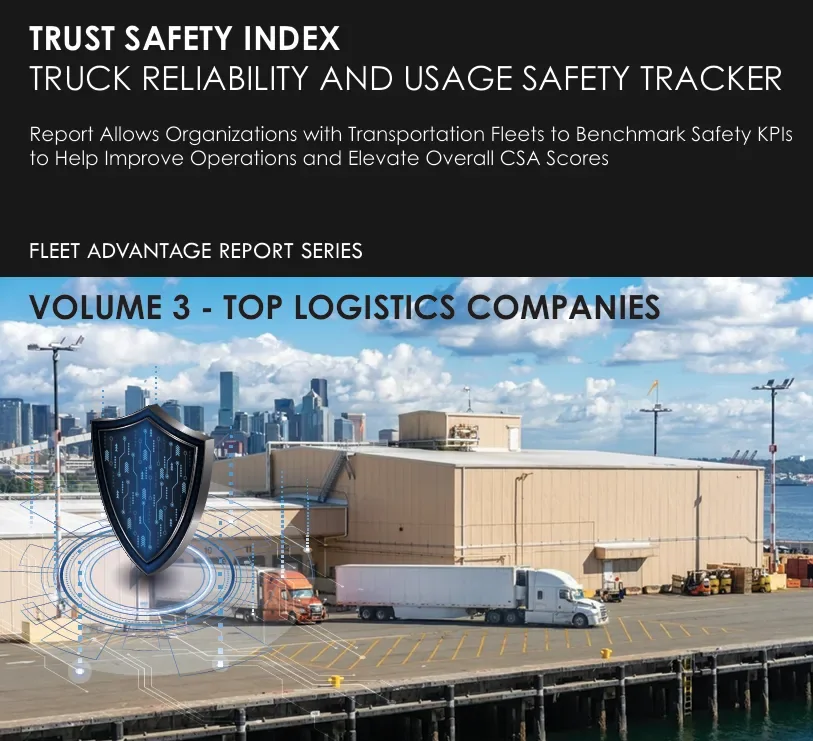
Top logistics fleets continue to outperform national averages across several key safety and compliance metrics, according to the latest TRUST Safety Index report. The report highlights the importance of proactive risk management for fleets looking to stay ahead of regulatory requirements. By leveraging advanced analytics and telematics data, fleets can identify emerging risks before they result in violations or crashes. This approach is becoming increasingly crucial as federal regulators place greater emphasis on data-driven oversight and predictive safety management.
The latest TRUST Safety Index found that leading logistics organizations posted an average Inspection Selection System (ISS) score of 34.17, well below the Federal Motor Carrier Safety Administration's intervention threshold of 65. This finding suggests that top-performing fleets are prioritizing proactive maintenance and inspection practices to minimize risk. Furthermore, the report notes that insurance providers are placing greater scrutiny on fleet safety performance, with trucking insurance premiums reaching a record 10.2 cents per mile in 2024.
Fleet Advantage's report also highlights the importance of Compliance, Safety, Accountability (CSA) scores in maintaining a strong safety record. The average Unsafe Driving BASIC score measured 18.08, compared to the FMCSA intervention threshold of 65, while Hours-of-Service BASIC scores averaged 41.91. These findings demonstrate that top logistics fleets are effectively managing driver hours and reducing the risk of accidents.

The gap between top logistics fleets and national inspection results is another key finding in the report. Total out-of-service inspection rates averaged 9.28% among leading logistics fleets, less than half the national average of 20.18%. This suggests that top-performing fleets are prioritizing proactive maintenance and inspection practices to minimize risk.
Vehicle out-of-service rates averaged 13.23%, compared with a national average of 22.26%, while driver out-of-service rates measured just 1.11%, significantly below the national average of 6.67%. These findings demonstrate that top logistics fleets are effectively managing their vehicle and driver populations to reduce the risk of accidents.
Fleet Advantage noted that the national out-of-service rate increased from 19.61% in the previous benchmark period, suggesting broader compliance challenges across the industry. However, top-performing fleets remain committed to proactive safety protocols and data-driven decision making.

The report also highlights the importance of addressing maintenance-related issues, such as tires and brakes. These components continue to drive maintenance violations, highlighting the need for fleets to prioritize regular maintenance and inspection practices.
Ultimately, the findings of this report underscore the importance of proactive risk management and data-driven decision making in maintaining a strong safety record. By leveraging advanced analytics and telematics data, top logistics fleets can stay ahead of regulatory requirements and reduce the risk of accidents.
The FMCSA's data-centric approach is forcing fleets to reevaluate their safety protocols and invest in advanced analytics.