

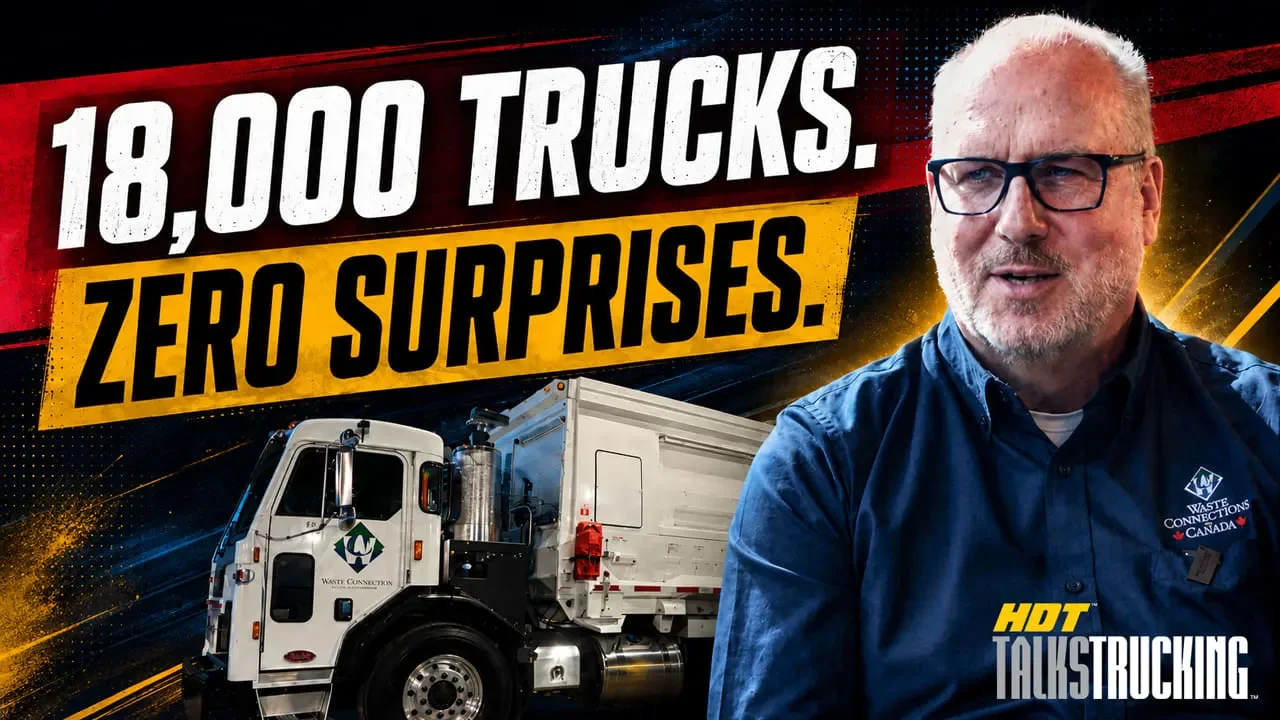
Waste Connections' fleet management strategy relies heavily on data analytics, with over 18,000 connected trucks generating vast amounts of telematics data. This data is used to improve fleet visibility, predict maintenance needs, and enhance driver safety. By leveraging this data, Waste Connections has been able to optimize its operations, reduce costs, and increase productivity.
The company's growth in telematics has been remarkable, with its program expanding from just 35 trucks to over 18,000 connected vehicles. This expansion is a testament to the growing importance of data-driven decision-making in the trucking industry. By harnessing the power of telematics, Waste Connections has been able to stay ahead of the curve and capitalize on emerging trends.
Predictive maintenance is a critical component of Waste Connections' fleet management strategy. By analyzing telematics data, the company can identify potential issues before they become major problems, reducing downtime and minimizing costs. This approach not only benefits the company but also enhances driver safety by ensuring that vehicles are in good working order.
Safety analytics is another key area where Waste Connections is using data to drive improvement. By analyzing accident data and other metrics, the company can identify trends and patterns that inform its safety protocols. This approach helps to prevent accidents and reduce the risk of injury or harm to drivers.
Driver coaching is also an important aspect of Waste Connections' fleet management strategy. By leveraging telematics data and other metrics, the company can provide personalized feedback and coaching to drivers, helping them to improve their performance and reduce errors. This approach not only benefits drivers but also enhances overall safety and efficiency.
The use of video technology in trucking is another trend that is gaining traction. Video cameras are being used to exonerate professional drivers who have been unfairly accused of wrongdoing. By providing an objective record of events, video technology can help to clear drivers' names and reduce the risk of false accusations.

While electric vehicles (EVs) offer many benefits, their adoption in the trucking industry has been slower than expected. Several factors are contributing to this delay, including range anxiety, charging infrastructure limitations, and high upfront costs. However, as technology continues to evolve and economies of scale improve, EVs are likely to become a more attractive option for fleets.
The rapid rise of artificial intelligence (AI) in trucking is transforming the industry's approach to safety, efficiency, and sustainability. By leveraging AI algorithms and machine learning techniques, companies like Waste Connections can analyze vast amounts of data and make informed decisions that drive improvement. This approach not only benefits fleets but also contributes to a safer, more efficient transportation network.
As the trucking industry continues to evolve, it is clear that fleet data will play an increasingly important role. By harnessing the power of telematics, predictive maintenance, safety analytics, and AI, companies like Waste Connections can optimize their operations, reduce costs, and improve overall performance.
The increasing use of AI in trucking is transforming the industry's approach to safety, efficiency, and sustainability.