
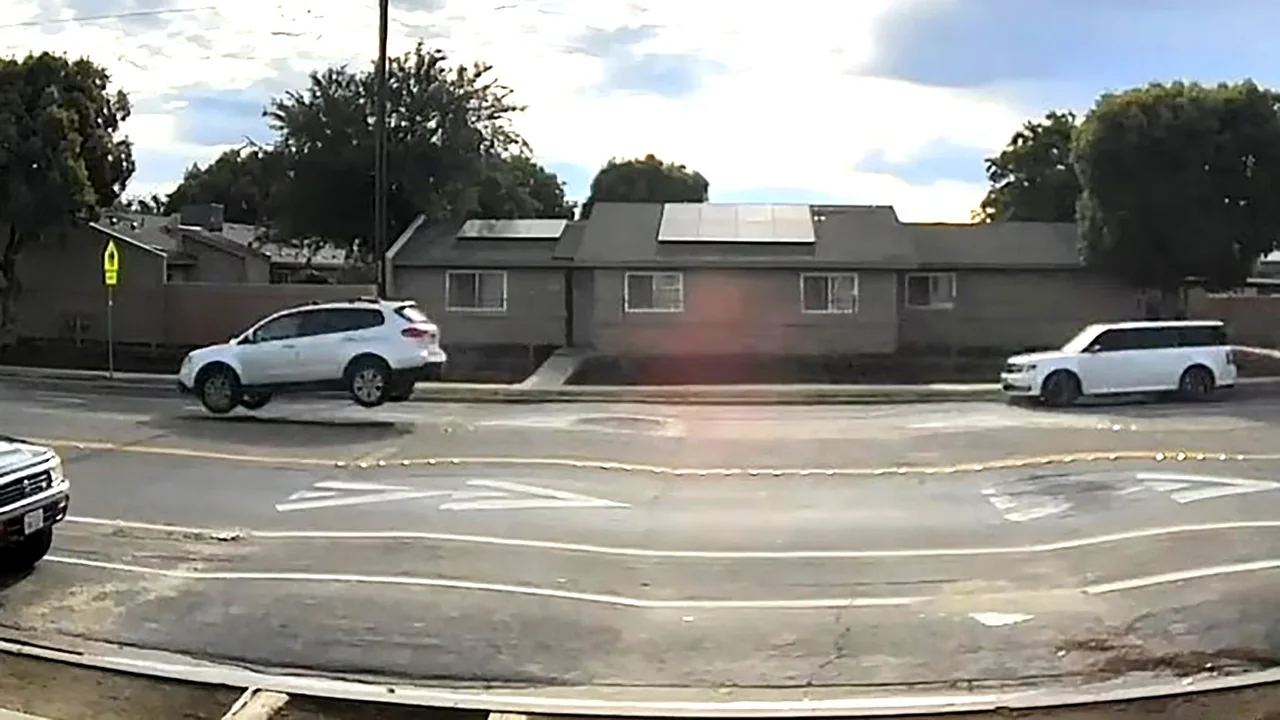
Despite numerous attempts to improve traffic flow in California, two specific speed bumps remain a persistent challenge for car manufacturers. The first speed bump, located at an intersection in Los Angeles, has been in place since 2018 and continues to cause problems for drivers. The second speed bump, situated near a highway exit in San Francisco, was installed just last year but is already causing headaches for commuters. Both speed bumps have been the subject of much debate among local residents and traffic experts, with some arguing that they are necessary to slow down speeding cars and others claiming that they are too severe and cause more harm than good.
Car manufacturers are taking notice of the impact of these speed bumps on their vehicles' safety features. Many models now come equipped with advanced safety systems, such as lane departure warning systems and automatic emergency braking. However, these features can be compromised by the presence of speed bumps, which can cause vibrations and shocks that can affect the vehicle's stability and performance.
To mitigate this issue, car manufacturers are testing new technologies designed to improve traffic flow and reduce the impact of speed bumps on their vehicles. One such technology is a system that uses sensors to detect the presence of speed bumps and adjust the vehicle's suspension accordingly. This technology has shown promising results in early tests, but further research is needed to determine its effectiveness.
Another challenge facing car manufacturers is the need for cars to be able to adapt to different road surfaces and conditions. Speed bumps can create uneven surfaces that can cause tires to lose traction or become damaged. To address this issue, some car manufacturers are developing new tire designs that can handle the stresses of driving over speed bumps.
In addition to these technological advancements, car manufacturers are also working on improving driver education and awareness programs. These programs aim to teach drivers how to navigate speed bumps safely and avoid accidents caused by speeding or reckless driving.
Despite the challenges posed by speed bumps, many Californians have learned to adapt to their presence in traffic. Drivers have developed strategies for navigating these bumps, such as slowing down before approaching them or using alternative routes whenever possible.
However, not everyone is convinced that speed bumps are the solution to California's traffic problems. Some argue that they are too severe and cause more harm than good, leading to increased wear and tear on vehicles and potentially even accidents.
As the debate over speed bumps continues, car manufacturers must navigate this complex issue while also prioritizing the safety of their customers. By investing in new technologies and improving driver education programs, manufacturers can help reduce the impact of speed bumps on traffic flow and improve overall road safety.
Ultimately, the success of speed bumps as a traffic management tool will depend on how effectively they are implemented and maintained. By working together with local residents and traffic experts, car manufacturers can help ensure that these speed bumps become a safe and effective solution for California's traffic woes.
As the automotive industry continues to evolve, it is likely that we will see more innovative solutions to the challenges posed by speed bumps. Whether through new technologies or improved driver education programs, one thing is clear: car manufacturers must prioritize road safety and adapt to the changing needs of their customers.
The impact of speed bumps on the automotive industry is significant.