The RV industry has seen steady growth over the past few months, with sales increasing by 10% in Q2. This uptick can be attributed to new product releases that have boosted consumer confidence. Manufacturers are responding to changing consumer demands, offering more innovative designs and features that cater to a wider range of tastes and preferences.
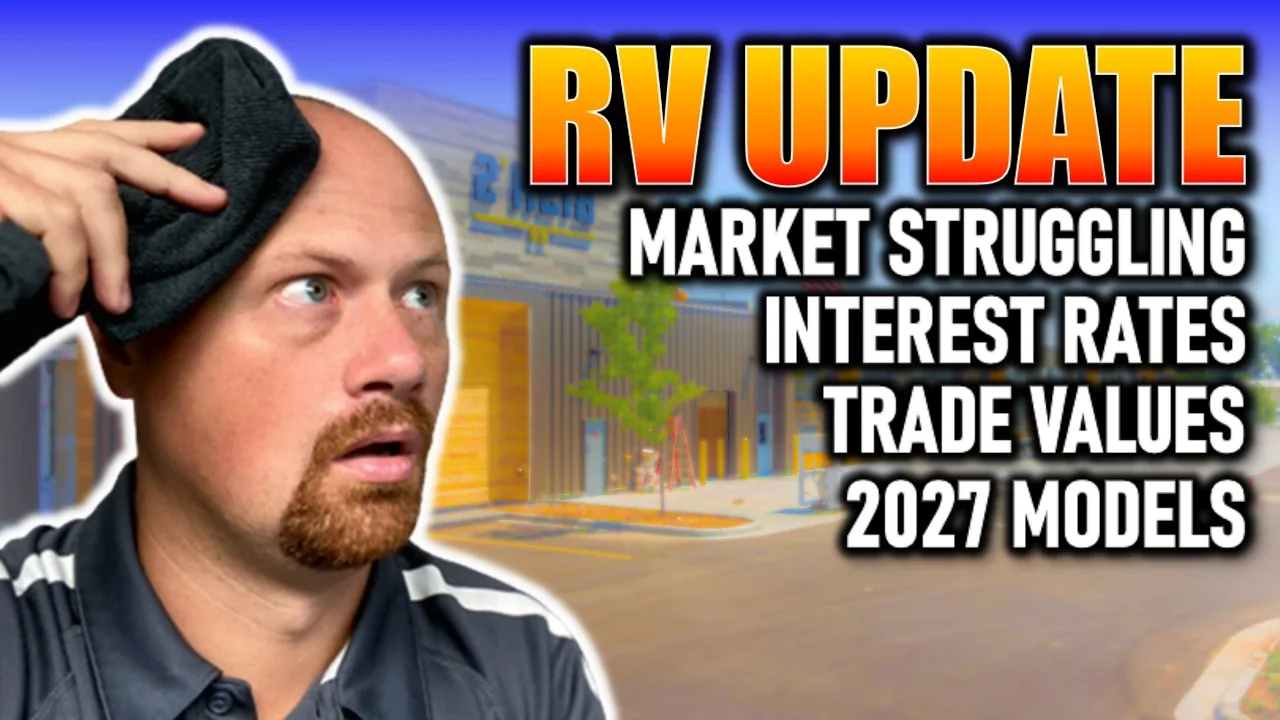
Despite this growth, the industry still faces challenges from economic uncertainty. Rising costs for materials and labor are putting pressure on profit margins, while concerns about inflation and interest rates are affecting consumer spending habits.
The impact of these challenges is being felt across the supply chain, with distributors and retailers struggling to keep up with demand. To mitigate this, manufacturers are exploring alternative sourcing options and investing in more efficient production processes.
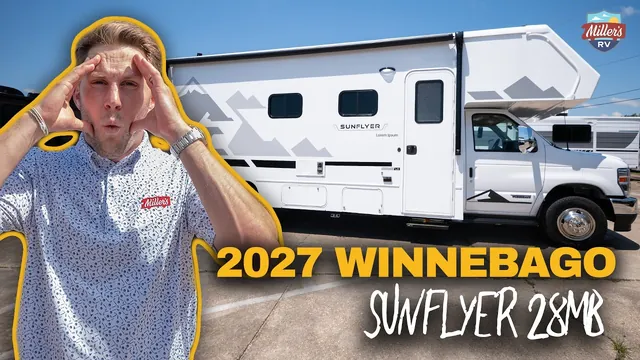
New product releases have been a key driver of growth in Q2. Manufacturers have introduced a range of innovative designs and features that cater to changing consumer demands. These include more advanced technology integrations, improved energy efficiency, and enhanced interior designs.
The RV industry's growth is also being driven by the rise of outdoor recreation as a lifestyle choice. With more people seeking adventure and relaxation, the demand for RVs has increased significantly over the past few years.
However, the industry still faces significant challenges from economic uncertainty. Rising costs for materials and labor are putting pressure on profit margins, while concerns about inflation and interest rates are affecting consumer spending habits.
The impact of these challenges is being felt across the supply chain, with distributors and retailers struggling to keep up with demand. To mitigate this, manufacturers are exploring alternative sourcing options and investing in more efficient production processes.
As the industry continues to navigate these challenges, it's clear that growth will be driven by innovation and adaptability. Manufacturers must stay ahead of changing consumer demands and technological advancements if they hope to remain competitive.
The future of the RV industry looks bright, with new product releases and innovative designs driving growth. However, economic uncertainty remains a significant challenge that manufacturers must address if they hope to maintain momentum.
Ultimately, the success of the RV industry will depend on its ability to balance innovation with financial sustainability. By investing in research and development, manufacturers can stay ahead of changing consumer demands and technological advancements.
The RV industry's growth is a testament to the enduring popularity of outdoor recreation.