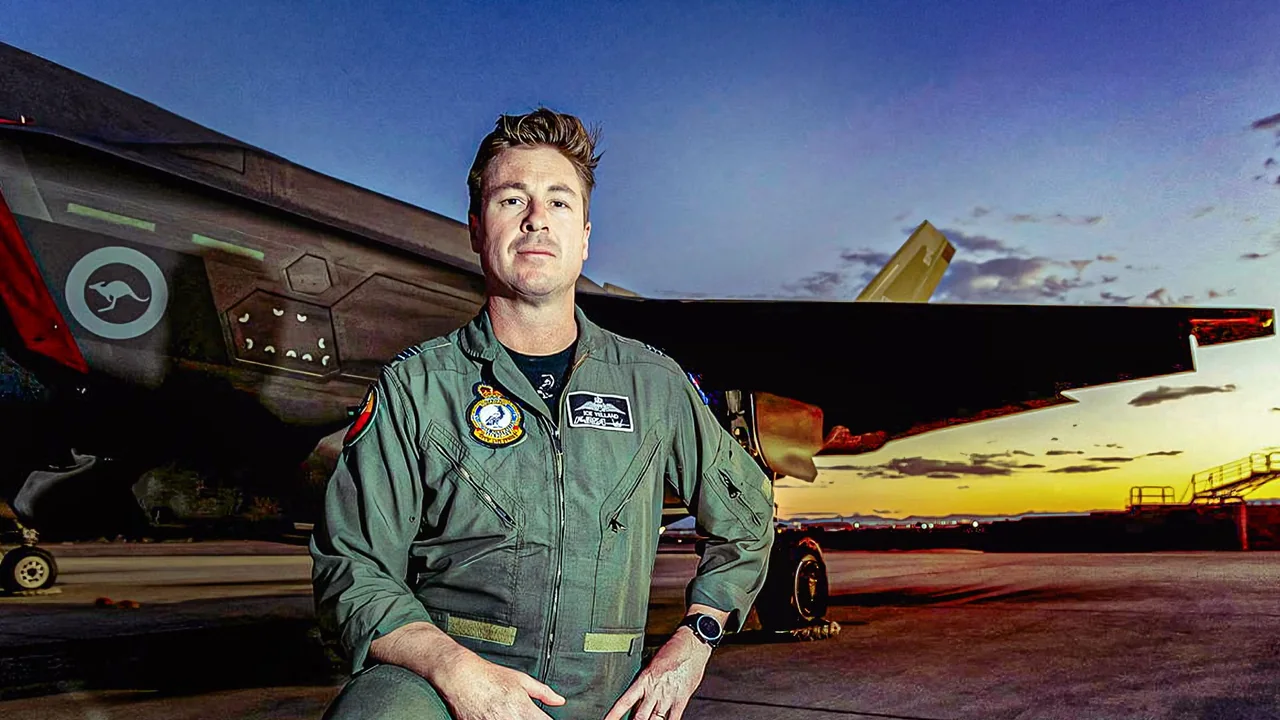
The Royal Australian Air Force (RAAF) fighter pilot sits at the center of one of the most expensive and technologically advanced military platforms in the Indo-Pacific. In 2026, experienced RAAF aviators flying the Lockheed Martin F-35 A Lightning II and Boeing F/A-18F Super Hornet can earn close to A$180,000 in base salary before allowances, with additional flying pay, deployment compensation, and extra military superannuation contribution.
This comparatively strong military salary is not enough to stem the tide of attrition among RAAF aviators. Australia is deep into its transition toward fifth-generation combat aviation while simultaneously competing against domestic airlines, US carriers, and private defense contractors for the same small pool of highly trained pilots.
The timing could hardly be worse for the RAAF. Global airline demand and defense-sector recruitment are reaching record levels, making it increasingly difficult to retain skilled aviators.

RAAF fighter pilot pay is governed by Australia’s official military officer salary structure, with base salaries ranging from A$87,091 annually for Pilot Officers to A$193,476 before additional specialist compensation.
However, these figures only tell part of the story. Military aviation compensation includes layers of additional financial support not reflected in standard public salary tables, including flying allowances, deployment bonuses, and operational hazard compensation.
These benefits significantly boost real take-home earnings for fighter crews, with the Australian Defence Force contributing employer superannuation at 16.4%, far exceeding Australia’s civilian mandatory superannuation level of 12%.

Despite these advantages, fighter pilot compensation remains difficult to define precisely due to varying allowances depending on deployment tempo, aircraft assignment, operational status, and seniority.
The RAAF's current compensation model is under scrutiny as the service struggles to retain combat aviators. With global demand for pilots reaching record levels, it remains to be seen whether the RAAF can sustain its current compensation model in the long term.
The F-35 transition increases the stakes, with Australia competing against domestic airlines and private defense contractors for a limited pool of skilled aviators.

Despite strong military salaries, Australia struggles to retain combat aviators.