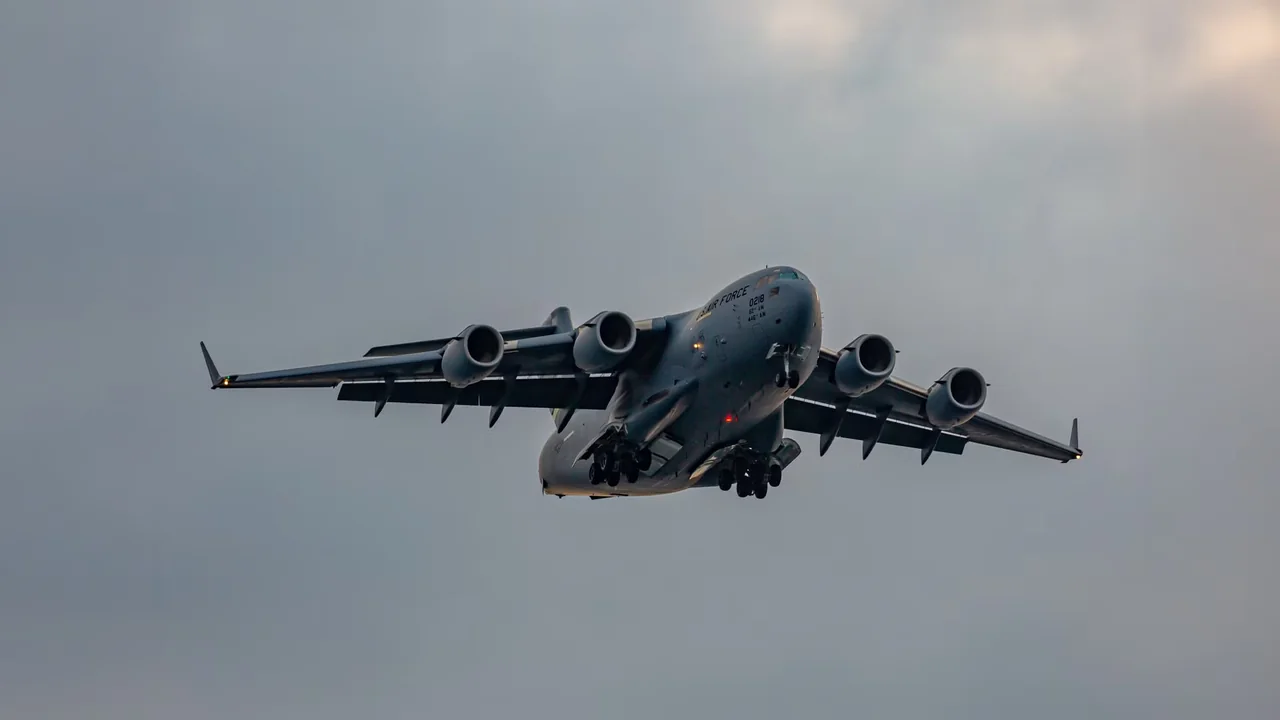
The Boeing C-17 Globemaster III remains one of the most capable military airlifters ever built, combining a 170,900-lb payload capacity with the ability to operate from runways as short as 3,500 feet. Those same characteristics sparked interest in a civilian derivative, the McDonnell Douglas MD-17, but turning a strategic military transport aircraft into a commercial freighter proved far more complicated than it initially appeared.
The Globemaster III was designed for military power projection and not to minimize operating costs. Its 174-foot airframe features structural and aerodynamic decisions that flow directly from this mission, including high-lift wing, leading-edge slats, and externally blown flaps.
These design choices make the C-17 incompatible with commercial operation, which prioritizes fuel efficiency and lower operating costs.

The MD-17 program's collapse highlights the challenges of adapting military aircraft for commercial use, where every decision must balance performance and cost.
A key operational feature of the Globemaster III is its maximum payload capacity of 170,900 lb across 18 pallet positions, as well as its ability to take off and land on runways as short as 3,500 feet and only 90 feet wide.
The aircraft's cargo compartment measures 88 feet long by 18 feet wide, featuring four Pratt & Whitney F117-PW-100 turbofan engines rated at 40,440 pounds of thrust.

These characteristics make the C-17 an exceptional military airlifter but create significant commercial challenges, including high fuel consumption and increased costs.
The MD-17 concept's failure to gain traction underscores the complexities of transitioning military aircraft for civilian use, where every aspect must be reevaluated for commercial viability.
The MD-17 program's collapse highlights the challenges of adapting military aircraft for commercial use.