
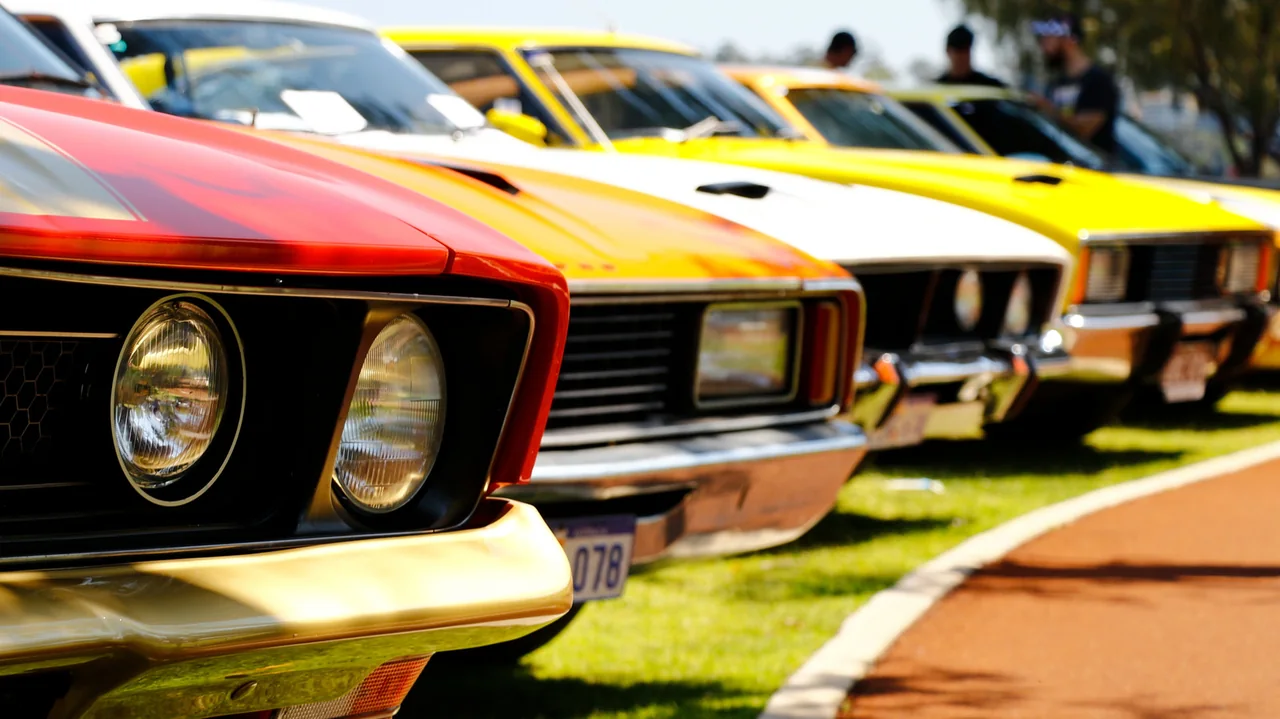
The muscle car category thrives on emotion rather than logic. This is what makes them so appealing, but also problematic.
These cars are built around noise, presence, horsepower, rarity, mythology, and the human desire for excitement. As a result, they often prioritize style over substance.
While most of these vehicles are excellent, some may have reliability concerns or track-focused handling that makes regular roads feel like punishment.
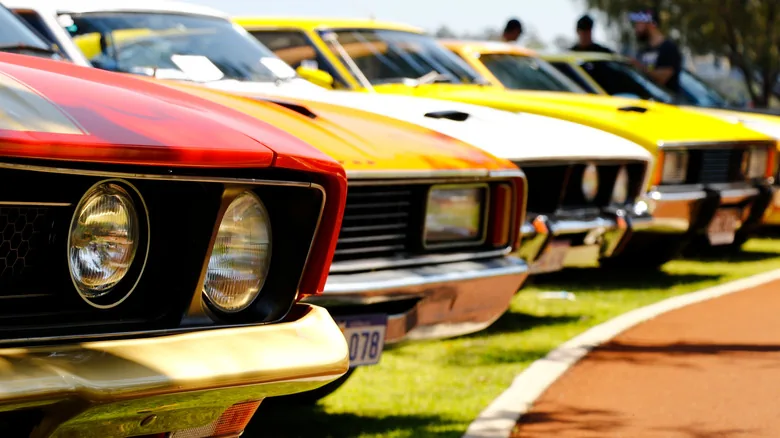
The reputations of these beasts are so large that reality can struggle to keep up. This is evident in the market value and insurance quotes for these high-performance vehicles.
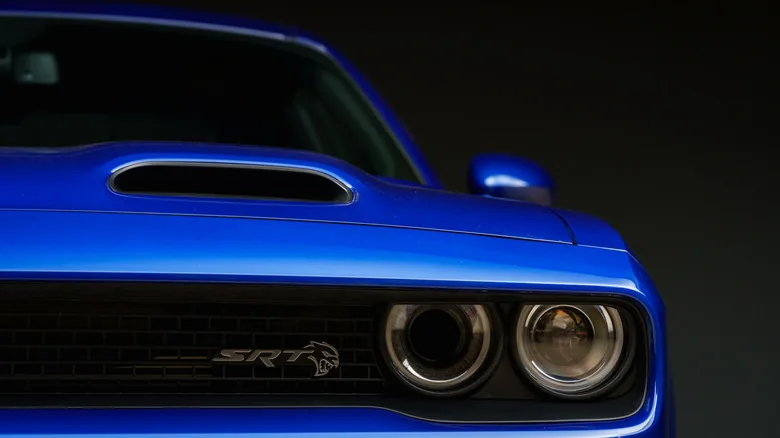
Dodge's Hellcat V8 engine is a prime example of this, combining old-school American muscle with sophisticated forced induction.
The formula was so successful that Dodge repeatedly returned to it, creating a growing family of Hellcat-powered vehicles. However, this led to overpowered and often impractical cars.
Ford's Mustang Shelby GT350 is another example of a car that prioritizes performance over practicality. Its distinctive design and exceptional handling make it a favorite among enthusiasts.
Ultimately, the pursuit of power can lead to a one-trick pony, even with advanced technology. This raises questions about the true value of these high-performance vehicles.
As the muscle car market continues to evolve, it's essential to consider the trade-offs between performance and practicality.
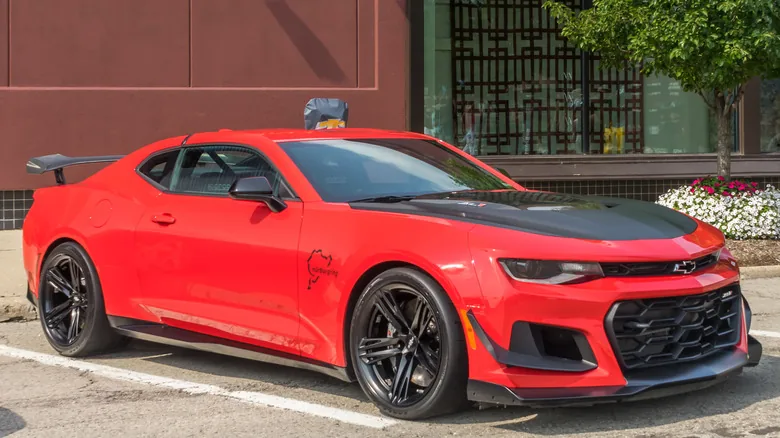
The pursuit of power can lead to a one-trick pony, even with advanced technology.