
The shift from carburetors to fuel injection began in the early 1990s, driven by stricter regulations around fuel efficiency and exhaust emissions. This marked a significant change in the way gasoline engines were designed and produced.
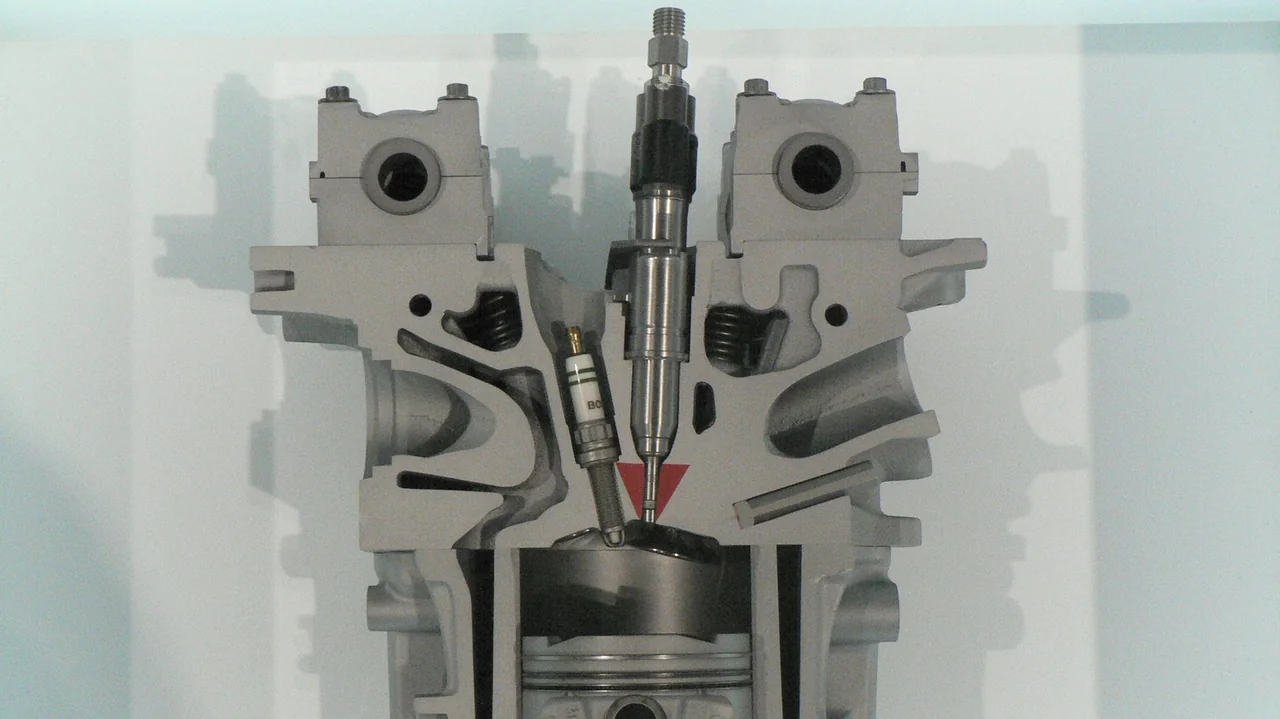
The transition to fuel-injected engines was initially met with port fuel injection technology, which injects fuel into the intake manifold before the inlet valve. However, as direct-injection systems matured, automakers began to adopt this more precise method of fuel delivery.
Direct-injection engines provide several benefits over traditional carburetor-based systems, including better fuel economy and engine performance. The electronic control unit determines the amount of fuel delivered to the engine based on factors such as engine speed, temperature, and accelerator pedal pressure.
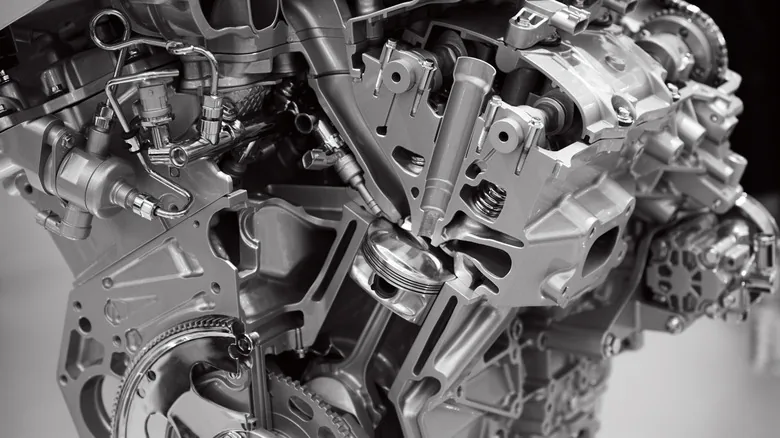
The use of direct injection has become increasingly widespread in modern engines, with a significant majority of light-duty cars sold in 2023 featuring these systems. This shift is driven by the need for more efficient and environmentally friendly vehicles.
One key advantage of direct injection is its ability to provide higher precision in fuel delivery, allowing for better power output and improved fuel economy. By shooting fuel directly into the combustion chamber, direct-injected engines can achieve a more optimal air-fuel mixture.
Another benefit of direct injection is its potential to reduce engine knock and improve cooling effects within the combustion chamber. This enables automakers to produce smaller-displacement engines that can match the performance of larger naturally aspirated engines.

The combination of direct injection with technologies like variable valve timing and turbocharging has opened up new possibilities for engine design and development. As a result, small-displacement engines are now capable of producing impressive power outputs.
Ford's EcoBoost engines are a notable example of this trend, demonstrating the potential of direct injection to improve fuel efficiency and performance in smaller engines.
The widespread adoption of direct-injection technology is likely to continue as automakers prioritize the development of more efficient and environmentally friendly vehicles. As such, it will be interesting to see how this technology evolves in the coming years.
As the demand for more efficient and environmentally friendly vehicles continues to grow, direct injection is becoming an essential technology for automakers.