
The Philippines' reliance on Middle Eastern crude imports has been a topic of discussion among energy experts. However, a recent development sheds light on the complexities of international oil trade. Kpler, a shiptracking firm, recently revised its data on an oil cargo delivered to the Philippines that was previously identified as coming from Iran.
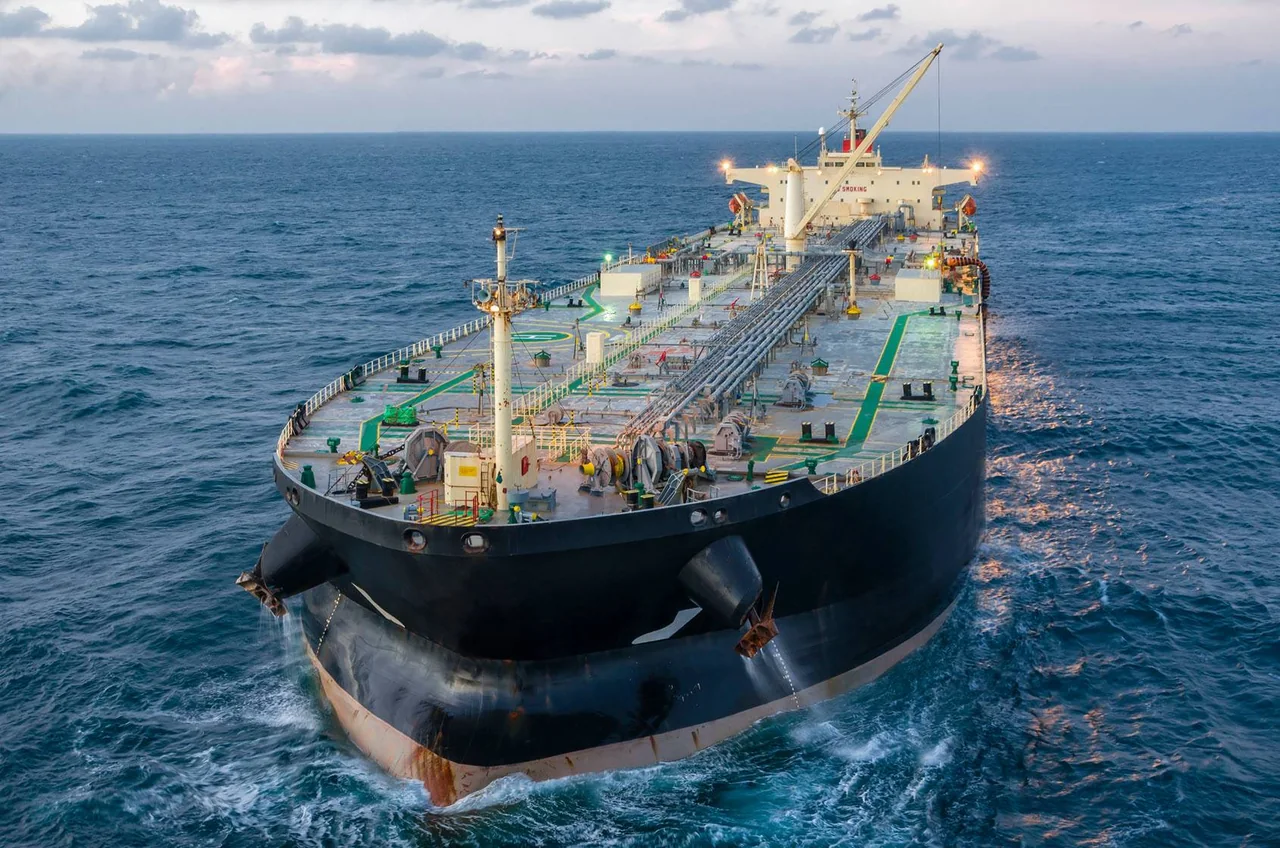
The revision in question pertains to the Suezmax tanker Ocean Start, which was reported to have delivered Iranian crude to Petron's Bataan refinery on May 17. However, further information revealed that the tanker actually received Urals crude from Russia through a ship-to-ship transfer in waters off Singapore. This change in data is significant, as it highlights the importance of accurate tracking and verification in the global oil trade.
The Suezmax tanker Caruzo played a crucial role in this process, having loaded at Russia's Sheskharis in late March. The Ocean Start then received the cargo through an STS transfer from the Caruzo, which had previously loaded the crude at Iran's Kharg Island on March 27. This revised data has important implications for the energy sector and the global economy.
The Trump administration's decision to grant a 30-day waiver on sanctions related to purchases of Iranian oil at sea from March 20 to April 19 was aimed at easing oil prices that had surged following the U.S.-Israeli conflict with Iran. However, this move has also raised concerns about the potential impact on global energy markets and the stability of international relations.
The Philippines, which relies heavily on Middle Eastern crude imports, also received a U.S. waiver to purchase Russian crude oil and petroleum products. This development underscores the country's efforts to diversify its energy sources and reduce its reliance on a single supplier.
Petron, the country's largest oil company, did not respond to requests for comment on this matter. The lack of transparency from major players in the industry highlights the need for greater accountability and disclosure in the global energy sector.
The revision in Kpler's data also raises questions about the effectiveness of sanctions and their impact on international trade. As the world grapples with the complexities of global energy markets, it is essential to ensure that tracking and verification systems are robust and accurate.
Furthermore, this incident highlights the importance of cooperation and information sharing among nations in addressing common challenges in the energy sector. The Philippines' experience serves as a reminder that even small changes in data can have significant implications for the industry and the global economy.
The revision of Kpler's data on the Suezmax tanker Ocean Start has significant implications for the energy sector and international trade. As the world continues to navigate the complexities of global oil markets, it is essential to prioritize accuracy, transparency, and cooperation in addressing common challenges.
The revision highlights the complexity of global oil trade and the need for accurate tracking.