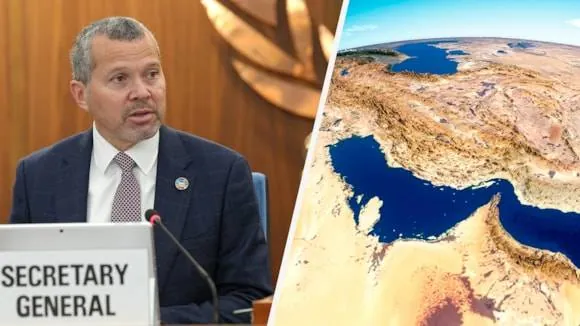
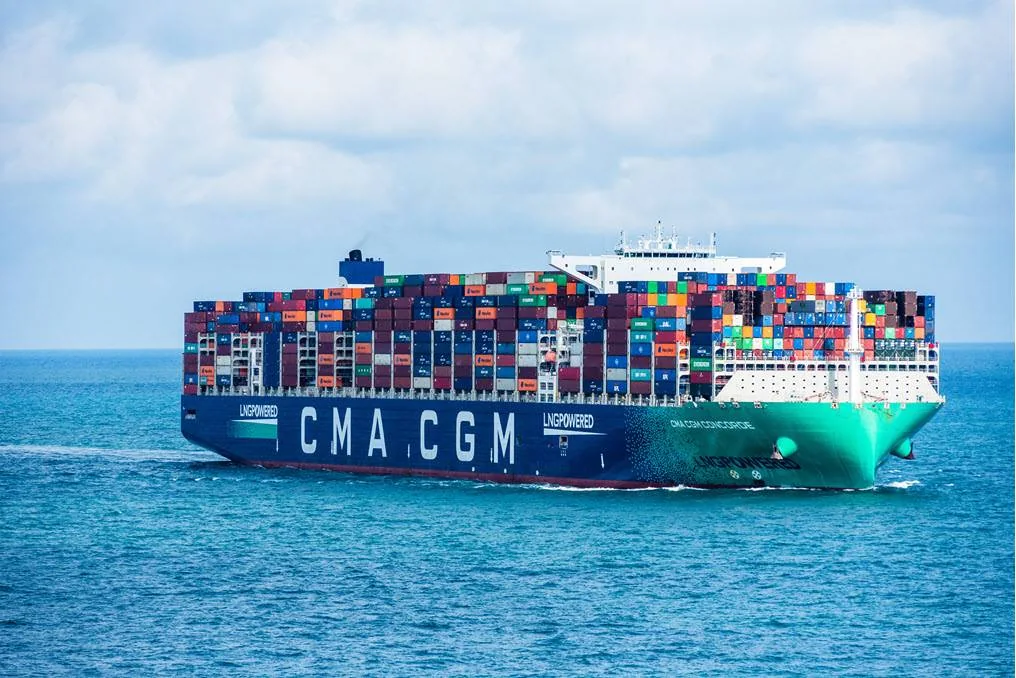
Global shipping is facing unprecedented challenges, with the Strait of Hormuz's closure affecting nearly a fifth of the world's oil and LNG supply. The waterway has been virtually shut down since the start of the Iran war, leaving container lines like CMA CGM scrambling to find alternative routes. As the situation remains uncertain, it's clear that the shipping industry must adapt to this new reality.
CMA CGM, the world's third-largest container line, is among the firms with vessels stranded in the Gulf since the conflict began. The company's chairman and CEO, Rodolphe Saade, has warned against assuming a return to pre-war conditions in the Strait of Hormuz.
The closure of the Strait of Hormuz has already had significant economic implications for CMA CGM, with the company estimating an additional $300 million in costs for using alternative routes. This is just one example of how the crisis is affecting global trade and supply chains.
CMA CGM's response to the crisis highlights the need for diversification in global supply chains. By offering clients alternative routes, the company is mitigating the impact of the Hormuz closure on its operations.
As the situation in the Strait of Hormuz remains uncertain, CMA CGM is taking a proactive approach to finding new ways to transport goods. The company's use of road and rail to bypass the waterway is just one example of this adaptability.
The Iran war has had far-reaching consequences for global trade, with many shipping lines forced to reroute their vessels to avoid the Strait of Hormuz. CMA CGM's decision to do so reflects the industry's growing reliance on alternative routes.
CMA CGM's chairman and CEO, Rodolphe Saade, has expressed caution about assuming a return to pre-war conditions in the Strait of Hormuz. His comments highlight the uncertainty surrounding the situation and the need for continued vigilance from the shipping industry.
The closure of the Strait of Hormuz has significant implications for global energy markets, with nearly a fifth of the world's oil and LNG supply affected. As the crisis continues to unfold, it will be important for policymakers and industry leaders to work together to find solutions.
CMA CGM's experience in navigating the challenges posed by the Strait of Hormuz closure serves as a reminder of the need for flexibility and adaptability in global trade. By embracing alternative routes and diversifying supply chains, companies like CMA CGM can mitigate the impact of future crises.
The Strait of Hormuz's closure highlights the need for diversification in global supply chains.