
Hyundai Motor Group is making significant strides in the development of artificial intelligence (AI) technology, autonomous driving, robotics, and sensor data fusion (SDV) capabilities. The company's goal is not only to incorporate these technologies into its vehicles but also to ensure they are production-ready and scalable. This shift towards AI-driven mobility solutions is a key aspect of Hyundai's overall strategy for the future of transportation.
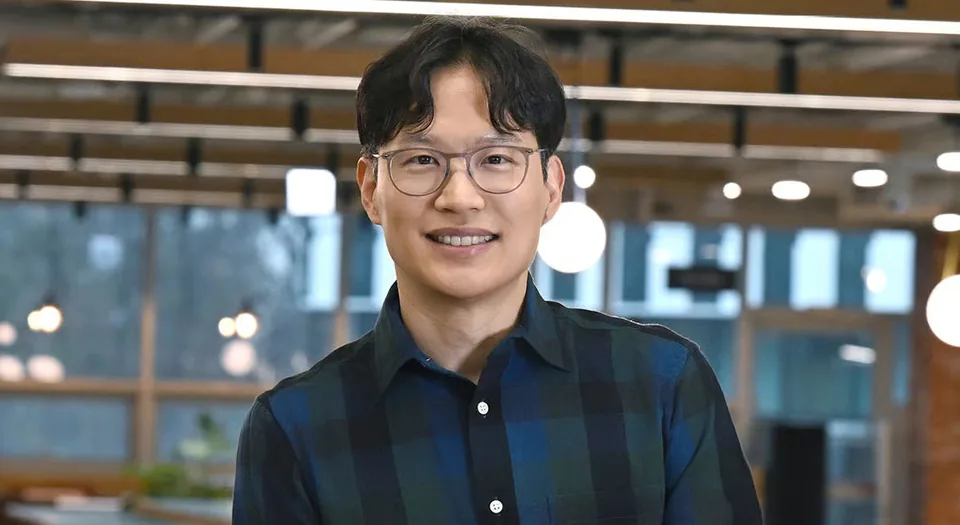
The appointment of Minwoo Park as President and Head of AVP Division at Hyundai Motor Group, as well as CEO of 42dot, marks an important milestone in the company's efforts to drive innovation. With his extensive experience in AI-driven autonomous driving systems, Park is uniquely positioned to lead this initiative and ensure its success.
Park's background in leading the design of Tesla's Autopilot system, which he was a part of before joining Hyundai Motor Group, speaks volumes about his expertise in this field. His work on Tesla Vision also highlights his commitment to developing cutting-edge autonomous driving technologies.
As Vice President of NVIDIA's autonomous-driving perception division, Park collaborated closely with global automakers such as Mercedes-Benz to develop and refine their autonomous driving capabilities. This experience has undoubtedly equipped him with the skills necessary to navigate the complexities of AI-driven mobility solutions.
Now, Park is at the helm of Hyundai Motor Group's efforts to transform AI, autonomous driving, robotics, and SDV technologies into practical, production-ready mobility solutions. His leadership will be crucial in shaping the company's vision for the future of transportation.
The road ahead for Hyundai Motor Group is ambitious, with the company aiming to commercialize its AI technology on a large scale. This initiative has significant implications for the broader automotive industry, as companies must prioritize scalability and practicality over innovation alone.

Minwoo Park's perspective on the importance of practicality in mobility solutions cannot be overstated. In his words, 'in the mobility sector, mere invention does not determine the winner.' This emphasis on pragmatism highlights the need for companies to focus on developing technologies that can be widely adopted and implemented.
The commercialization of AI technology by Hyundai Motor Group has far-reaching consequences for the automotive industry as a whole. As companies continue to invest in AI-driven mobility solutions, they must also prioritize their ability to scale and adapt these technologies to meet changing market demands.
Ultimately, the success of Hyundai Motor Group's initiative will depend on its ability to balance innovation with practicality. By doing so, the company can establish itself as a leader in the development of AI-driven mobility solutions and shape the future of transportation for years to come.
As the industry continues to evolve, companies must prioritize scalability and practicality over innovation alone.