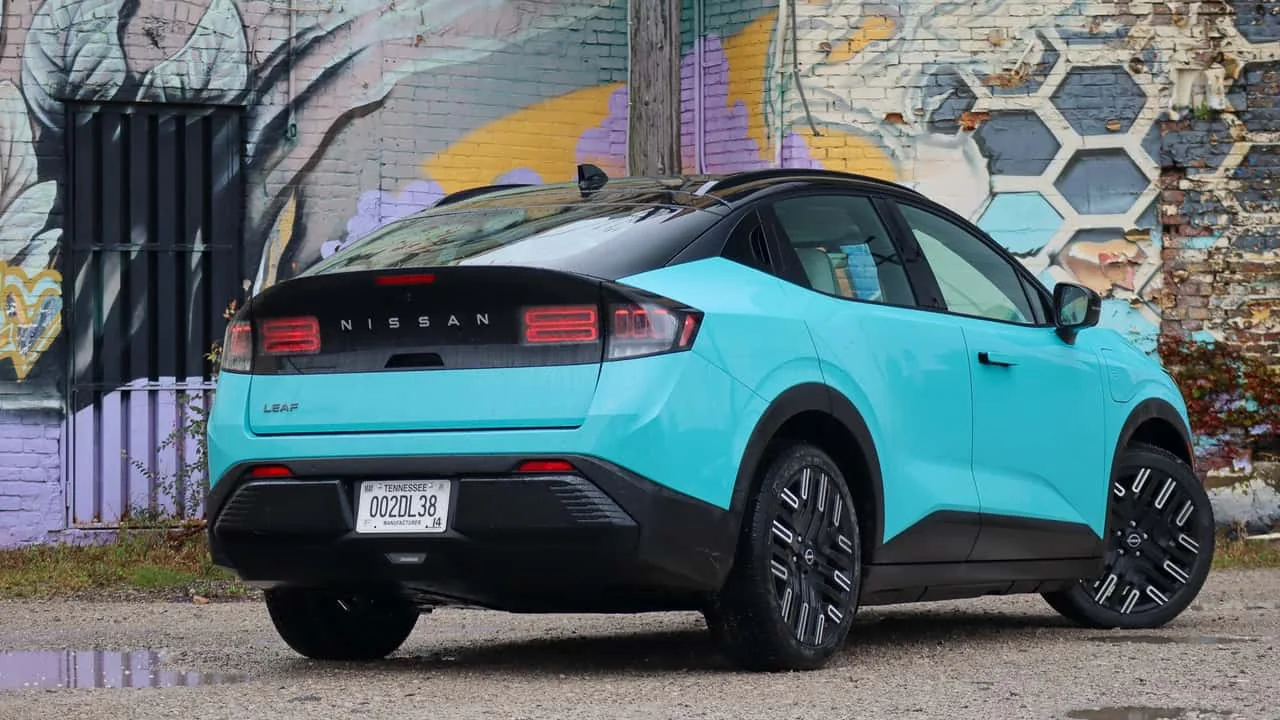
Nissan's plans to launch a more affordable electric vehicle (EV) were met with excitement from the automotive community, as it promised to make sustainable transportation more accessible to a wider audience. The new EV was expected to be an even cheaper version of the popular Leaf model, which has been a driving force behind Nissan's efforts to expand its EV lineup. However, in a shocking turn of events, Nissan has announced that the launch of this new EV for the 2026 model year is no longer feasible. This decision comes as a significant blow to those looking forward to a more affordable EV option from Nissan.
The news has left many wondering what could have caused such a drastic change in plans. It's worth noting that the automotive industry is known for its complexities and uncertainties, which can sometimes lead to delays and changes in production schedules. In this case, it appears that Nissan has been working on refining their EV technology and improving the overall efficiency of their manufacturing processes.
The delay may also be attributed to the ongoing global semiconductor shortage, which has had a significant impact on the automotive industry as a whole. Many manufacturers have struggled to secure the necessary components for their vehicles, leading to production delays and cancellations. Nissan, like many other companies, is not immune to these challenges.
Despite the setback, Nissan remains committed to its EV ambitions and plans to continue expanding its lineup of sustainable vehicles. The company has already announced several new EV models that are expected to hit the market in the coming years, including a high-performance variant of the Leaf. These new models will likely be more expensive than the cancelled affordable EV, but they promise to offer improved performance and range.
The cancellation of the affordable EV also raises questions about the viability of entry-level electric vehicles in the market. With prices for EVs continuing to rise, many consumers are finding it increasingly difficult to afford these sustainable options. Nissan's decision may be seen as a reflection of this trend, although the company has not explicitly stated its reasons for cancelling the project.
The delay is also an opportunity for Nissan to reassess its production plans and ensure that any future EV models meet the highest standards of quality and performance. The company can use this time to refine its manufacturing processes and make necessary adjustments to stay ahead of the competition.
Nissan's decision will likely have a ripple effect on the automotive industry, as other manufacturers may be forced to reevaluate their own plans for affordable EV options. As consumers become increasingly aware of the environmental benefits of sustainable transportation, demand for EVs is expected to continue growing in the coming years.
The cancellation of the affordable EV also highlights the ongoing challenges faced by the automotive industry in terms of supply chain management and production planning. The delay may be seen as a cautionary tale for manufacturers who are pushing the boundaries of innovation and expansion.
In conclusion, Nissan's decision to cancel its affordable EV project is a significant blow to those looking forward to more sustainable transportation options. While the company remains committed to its EV ambitions, this setback serves as a reminder of the complexities and uncertainties that come with driving innovation in the automotive industry.