
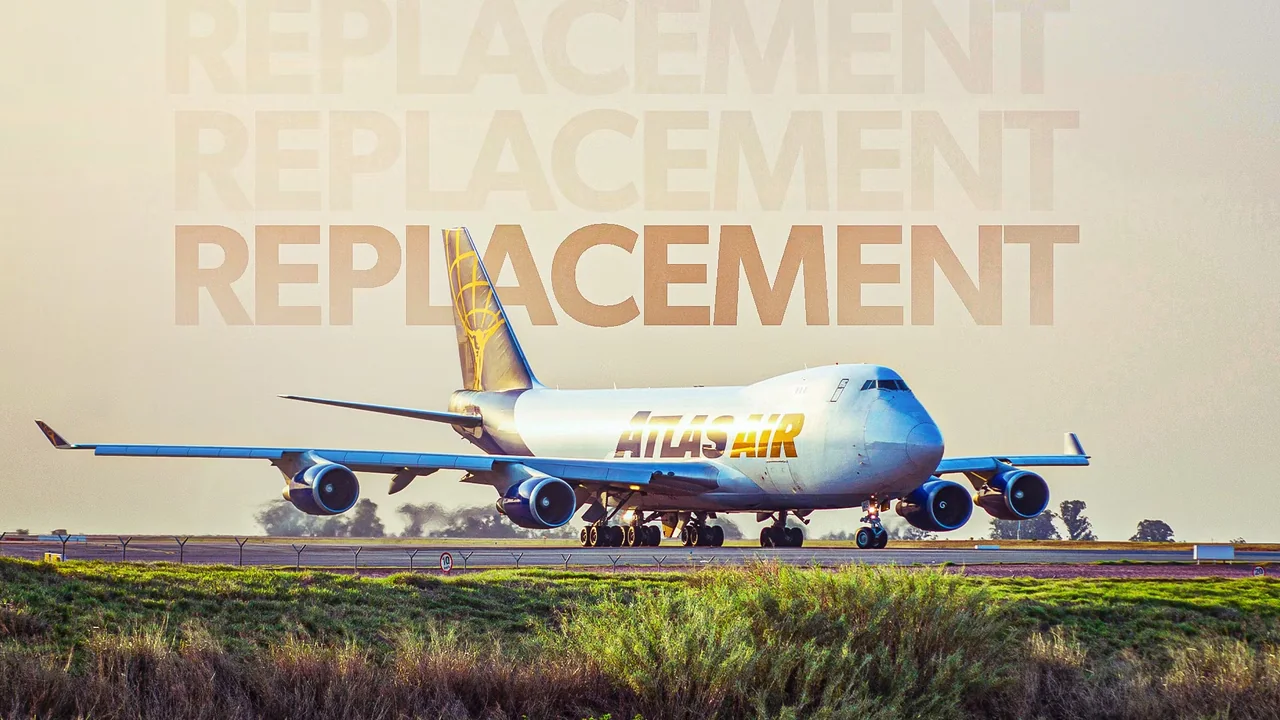
The Boeing 747 is no more: the final freighter has been delivered, marking the end of an era for four-engine commercial aircraft. With the production line closed, twinjets have advanced to the same level in terms of reliability and safety, saving operators significant amounts on maintenance and fuel.
Twinjet cargo haulers are now the most capable outsized air freighters ever made, offering bulk volume and sheer mass to customers prioritizing these qualities.
The Boeing 777-8F is targeting customers who prioritize bulk volume and sheer mass, while the Airbus A350F aims for those concerned with efficiency and lower expenses per mission.

A key difference between the two aircraft lies in their design: the 777-8F has a larger internal volume capacity and greater maximum payload than its competitor, but its main deck cargo door is narrower.
The A350F boasts an extra-large main deck cargo door and longer legs for ultra-long-haul routes, making it particularly capable on such flights.
With the first aircraft in assembly stage and a first flight scheduled for 2026, the A350F program is marginally ahead of its industrial milestones as of late 2025.

The shift to twinjet cargo haulers marks a significant change in the air cargo industry, with potential cost savings and increased efficiency.
As the Boeing 747's legacy comes to an end, twinjet cargo haulers are poised to take center stage, offering improved performance and reduced operating costs for airlines.
With multiple program delays anticipated for the 777-8F, it remains to be seen whether this aircraft will enter service before its competitor.

The future of air cargo looks bright with the emergence of twinjet cargo haulers like the Boeing 777-8F and Airbus A350F, promising a more efficient and cost-effective industry.
The shift to twinjet cargo haulers marks a significant change in the air cargo industry, with potential cost savings and increased efficiency.