
Small businesses across the country are facing an increasing threat from ADA website compliance lawsuits, with many forced to settle for thousands of dollars in fees. OHI's advocacy team joined forces with RV park and campground owners to push the ACCESS Act in Washington, a bipartisan legislation that would reform how Americans with Disabilities Act website compliance lawsuits are handled against small businesses.
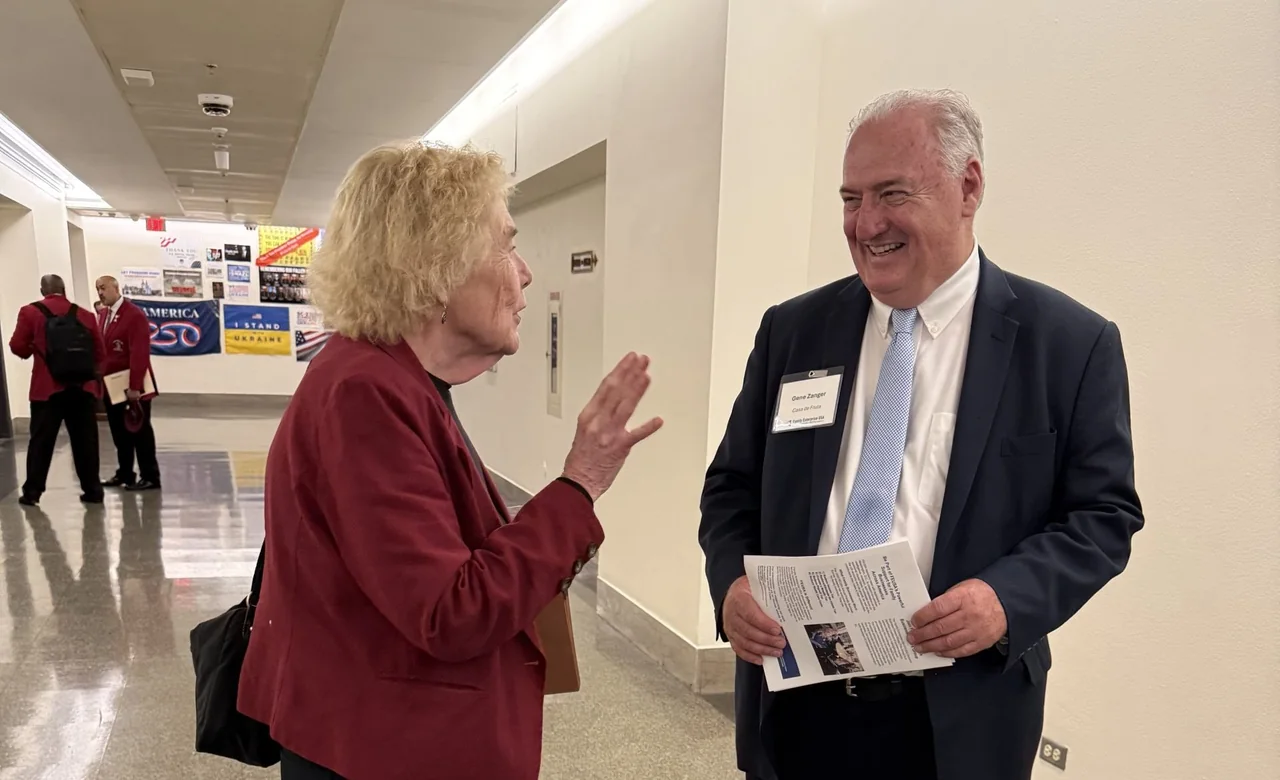
The fly-in event on Capitol Hill was attended by legislators and congressional leaders from Missouri and California, who were met with the OHI members' concerns over the rising costs of defending federal lawsuits. The group emphasized the need for a more collaborative approach to address accessibility concerns before costly litigation occurs.
Chris Houghton, co-owner of Calm Waters Cabin Resort in Branson, Mo, recently received a demand letter threatening federal litigation over alleged ADA website deficiencies, with no prior notice and no opportunity to fix the issue. The settlement will directly reduce the Houghtons' seasonal hiring and cut income for local contractors.
The broader impact on tourism-dependent communities like Branson could be significant, as privately owned campgrounds and RV parks are small businesses that want to welcome every traveler and provide positive experiences for all guests, including those with disabilities.
OHI's chief strategy officer and SVP of Government Affairs, David Basler, emphasized the need for greater clarity and encouragement of proactive compliance. 'Privately owned campgrounds and RV parks are small businesses that want to welcome every traveler and provide positive experiences for all guests, including those with disabilities,' he said.
The ACCESS Act would accomplish three key reforms: requiring written notice before legal action can be initiated, providing a 60-day cure period for businesses to address and correct any accessibility concerns, and establishing a process for resolving disputes in a more efficient manner.
These reforms aim to prevent federal litigation and provide business owners with the resources they need to improve accessibility without breaking the bank. By encouraging proactive compliance and giving business owners the opportunity to address accessibility concerns before costly litigation occurs, the ACCESS Act creates a more collaborative approach.
The legislation has the potential to significantly impact small businesses in the outdoor hospitality industry, which are already operating on thin margins. By reducing the risk of costly lawsuits and providing greater clarity, the ACCESS Act could help these businesses thrive and provide positive experiences for all guests, including those with disabilities.
Ultimately, the passage of the ACCESS Act would be a major step forward for small businesses in the outdoor hospitality industry, providing them with the resources they need to improve accessibility without breaking the bank.
The ACCESS Act creates a more collaborative approach by giving business owners the opportunity to address accessibility concerns before costly litigation occurs.