


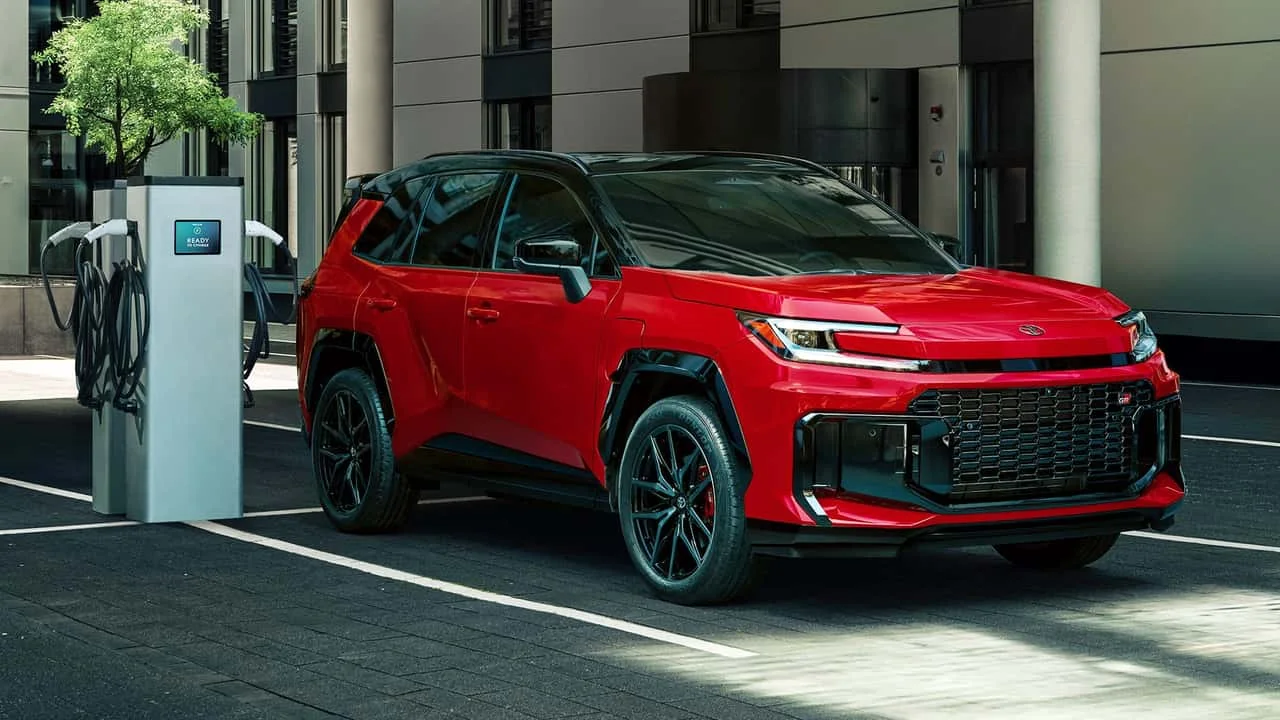
Toyota's RAV4 Plug-In Hybrid (PHEV) has been making waves in the industry with its impressive capabilities, including powering a Japanese home for up to 6.5 days. This innovative feature is made possible by the vehicle's 'HV power supply' mode, which allows it to generate electricity from its hybrid system and supply it to a household. The RAV4 PHEV uses a lithium-ion battery pack and an electric motor to achieve this feat.
The 'HV power supply' mode is designed to provide a reliable source of energy during outages or when the grid is down, making it an attractive option for those living in remote areas or with limited access to traditional utilities. By harnessing the power of its hybrid system, the RAV4 PHEV can provide up to 6.5 days of electricity, which is equivalent to around 24 kilowatt-hours (kWh). This amount of energy is sufficient to power a small to medium-sized home for an extended period.
While this technology may seem like science fiction in some parts of the world, it's becoming increasingly plausible as electric vehicles and PHEVs continue to gain traction. As more people switch to eco-friendly transportation options, we can expect to see innovative solutions like this being developed and implemented. The RAV4 PHEV is a prime example of how technology can be used to address energy needs in remote or underserved areas.
However, it's worth noting that the 'HV power supply' mode comes with some limitations and considerations. For instance, the vehicle's battery pack will need to be recharged periodically to maintain its capacity, which may require a significant amount of time and effort. Additionally, the RAV4 PHEV's electric motor is designed for on-road use only, so it may not be suitable for heavy-duty applications like powering an entire home.
Despite these limitations, the RAV4 PHEV's 'HV power supply' mode represents a significant step forward in terms of innovation and practicality. As the demand for eco-friendly energy solutions continues to grow, we can expect to see more vehicles being developed with similar capabilities. The future of transportation is looking brighter than ever, and it's exciting to think about the possibilities that technology like this will bring.
The RAV4 PHEV's 'HV power supply' mode also raises questions about the role of plug-in hybrids in our energy mix. As we transition towards a more sustainable future, it's essential that we consider all available options for generating and storing energy. Plug-in hybrids like the RAV4 PHEV can play a crucial role in bridging the gap between traditional energy sources and renewable energy technologies.
While the idea of using a plug-in hybrid to power your home may seem far-fetched, it's an innovative solution that could have real-world applications. As technology continues to advance and costs come down, we can expect to see more vehicles being developed with capabilities like this. The RAV4 PHEV is an exciting example of the potential for plug-in hybrids to transform our energy landscape.
In conclusion, Toyota's RAV4 Plug-In Hybrid offers a unique solution for powering homes in remote or underserved areas. While it may have its limitations and considerations, the 'HV power supply' mode represents a significant step forward in terms of innovation and practicality. As we move forward into an increasingly sustainable future, it will be exciting to see how technology like this is developed and implemented.
The increasing adoption of plug-in hybrids in the automotive market is paving the way for innovative solutions like this, but it also raises questions about the feasibility and practicality of such technology.


