![World’s first: US Air Force deploys portable nuclear power station [video]](https://api.eazyinway.com/news/68495/image?variant=thumb&url=https%3A%2F%2Felectrek.co%2Fwp-content%2Fuploads%2Fsites%2F3%2F2026%2F02%2Fnuke_MAIN.png%3Fw%3D1600)
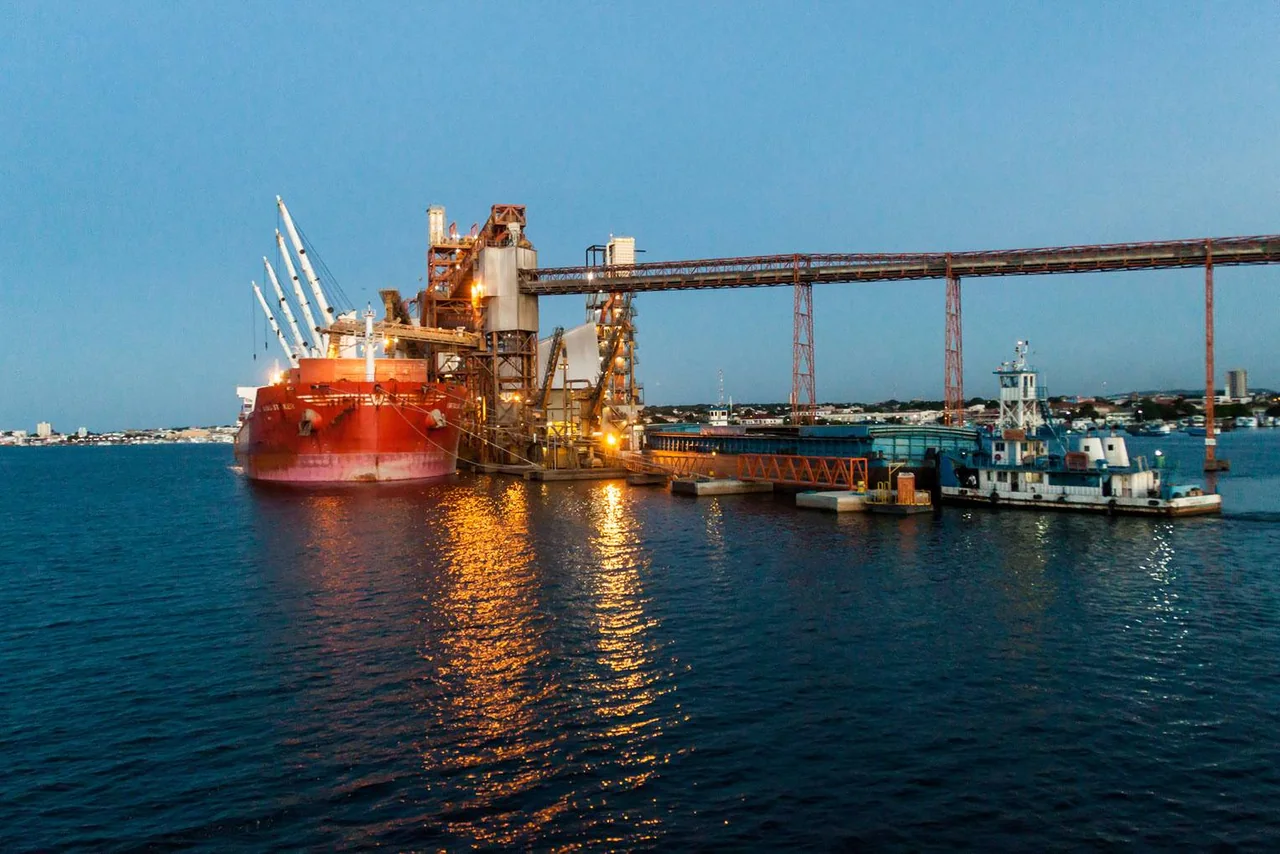
Indigenous protesters have occupied Cargill's Santarem river port terminal in Brazil's Para state, completely interrupting operations at the site. The occupation marks an escalation between the protesters and the firm over proposed plans to dredge local rivers, like Tapajos, where grains are moved before reaching export markets. This move is part of a broader struggle by indigenous groups to protect their lands and water sources from environmental degradation. As the situation unfolds, it remains to be seen how long the occupation will last and what impact it will have on global grain markets.
The protesters forced Cargill employees to evacuate the private terminal on Friday evening, with the firm stating that it is in contact with local authorities for an eviction to be carried out in an orderly and safe manner. This move suggests a willingness by Cargill to cooperate with authorities while also acknowledging the concerns of the indigenous protesters. However, the firm's ability to maintain operations will depend on its ability to secure alternative routes or transportation methods.
Cargill shipped more than 5.5 million metric tons of soybeans and corn through Santarem last year, according to port sector data. The exported volume, originating mainly from Brazil's Center West region, represented more than 70% of the total grain volume handled at Santarem. This significant volume underscores the importance of the Santarem terminal in the global grain trade. As the occupation continues, it will be interesting to see how this disruption affects Cargill's bottom line and its ability to meet customer demand.
Cargill said there is strong evidence of vandalism and damage to assets at the terminal. This finding highlights the severity of the situation and the need for a swift resolution. The firm's statement also underscores the importance of addressing the concerns of indigenous groups, who are fighting to protect their lands and water sources from environmental degradation.
The occupation marks an escalation between the protesters and the firm over proposed plans to dredge local rivers. Cargill has stated that it has no control over these plans, which have been put in place by Brazil's government. This lack of control highlights the complexity of the issue and the need for greater transparency and cooperation between stakeholders.
The protesters had been blocking trucks from accessing the terminal since January 22, with only a limited impact on Cargill's operations. However, this blockade has not prevented the firm from shipping large volumes of grain through Santarem. As the occupation continues, it will be interesting to see how this disruption affects Cargill's ability to meet customer demand and maintain its market share.
In a letter following the occupation, the protesters demanded that Brazil's government reconsider a decree they said would open up Amazon rivers to dredging. The letter highlights the concerns of indigenous groups, who are fighting to protect their lands and water sources from environmental degradation. This move underscores the importance of engaging with these groups and addressing their concerns in a meaningful way.
Brazil's government did not immediately reply to a request for comment on the occupation. Its previous statement that dredging is a routine matter to ensure river traffic during low water level periods does little to address the concerns of indigenous groups. As the situation unfolds, it will be interesting to see how Brazil's government responds to these protests and what impact this will have on the country's environmental policies.
The occupation of Cargill's Santarem port terminal is a reminder of the complex relationships between corporations, governments, and indigenous communities. As the global grain trade continues to grow, it is essential that we prioritize sustainability and environmental protection. The outcome of this situation will have far-reaching implications for the industry and the environment, making it a critical issue that requires careful consideration and attention.