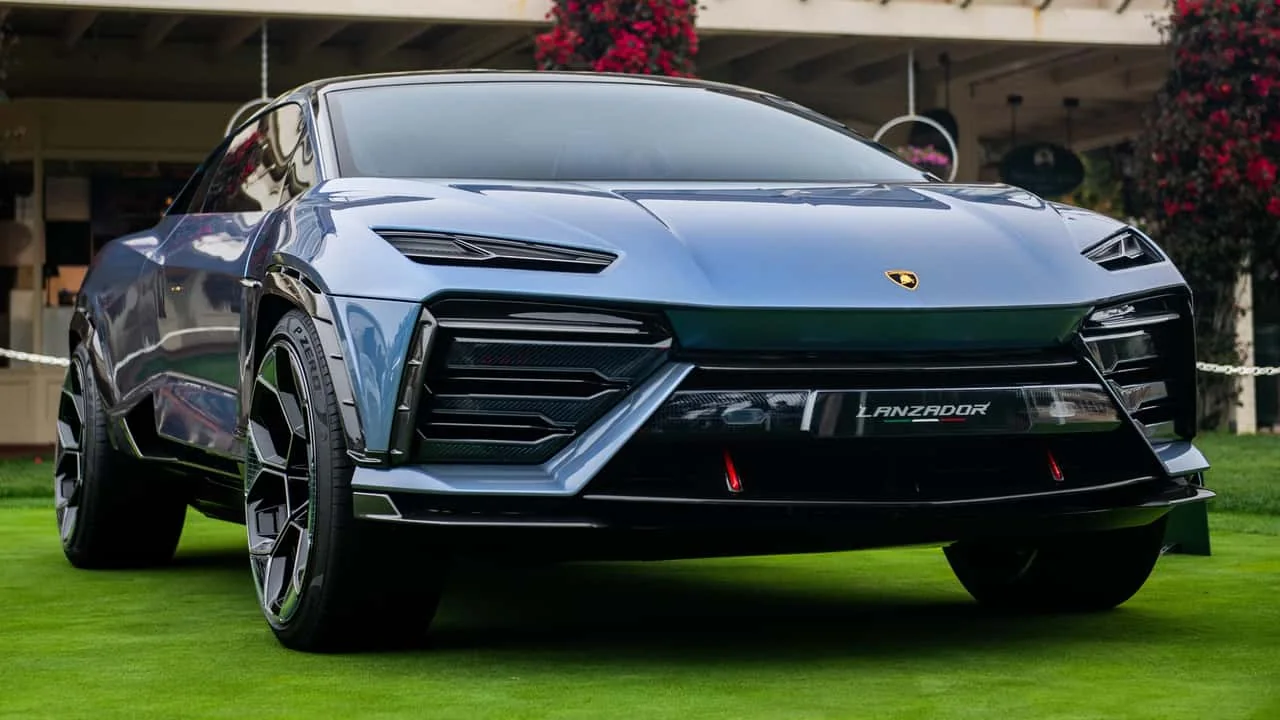
Lamborghini has made a bold move to distance itself from the growing trend of electrification in the automotive industry. The Italian supercar manufacturer has announced that it will not be pursuing an electric version of its flagship SUV, the Urus. Instead, Lamborghini has chosen to focus on its traditional gasoline-powered models, citing concerns over the high cost associated with developing and producing electric vehicles. This decision is a significant blow to the company's sustainability efforts and raises questions about the future of luxury EVs in the market.
The news comes as the automotive industry continues to grapple with the challenges of transitioning to more sustainable technologies. As governments around the world impose stricter emissions regulations, manufacturers are under increasing pressure to reduce their carbon footprint. However, the high cost of developing and producing electric vehicles has made it difficult for many luxury brands to adopt these new technologies.
Lamborghini's decision is not surprising, given the company's reputation for producing high-performance gasoline-powered cars. The Italian manufacturer has always been known for its commitment to traditional driving dynamics and its disdain for the compromises often associated with electric powertrains. By sticking with its tried-and-true formula, Lamborghini hopes to maintain its position as a leader in the luxury sports car market.
Despite the decision to abandon electric plans, Lamborghini is not entirely ruling out the possibility of introducing hybrid models in the future. The company has already hinted at exploring alternative powertrains that combine traditional gasoline engines with electric motors. However, these plans are still in the early stages of development and it remains to be seen whether they will come to fruition.
The lack of investment in electric vehicles is a significant concern for many industry observers, who fear that luxury manufacturers may be missing out on an opportunity to capitalize on the growing demand for sustainable transportation solutions. As governments around the world continue to promote the adoption of electric vehicles, it remains to be seen how this trend will affect the luxury car market.
Lamborghini's decision is also likely to have implications for the company's relationships with suppliers and partners in the automotive industry. The manufacturer has already established partnerships with several companies to supply its cars with electric motors and batteries, but these agreements are now at risk of being terminated if Lamborghini fails to pursue an electric version of the Urus.
The news highlights the significant challenges faced by luxury manufacturers in adopting sustainable technologies. As governments around the world impose stricter emissions regulations, manufacturers are under increasing pressure to reduce their carbon footprint. However, the high cost of developing and producing electric vehicles has made it difficult for many luxury brands to adopt these new technologies.
Lamborghini's decision is a significant blow to the company's sustainability efforts and raises questions about the future of luxury EVs in the market. The manufacturer's focus on traditional gasoline-powered models may limit its appeal to environmentally conscious consumers who are increasingly driving demand for sustainable transportation solutions.
The automotive industry will be watching Lamborghini's next move with great interest, as the company's decision has significant implications for the future of luxury electric vehicles. Will other manufacturers follow suit and abandon their electric plans, or will they continue to invest in these new technologies? Only time will tell, but one thing is certain: the decision by Lamborghini to focus on traditional gasoline-powered models marks a significant turning point in the industry's shift towards sustainability.
Lamborghini's decision highlights the need for manufacturers to carefully consider the costs and benefits of adopting sustainable technologies. As governments around the world continue to promote the adoption of electric vehicles, it remains to be seen how this trend will affect the luxury car market. Will other manufacturers follow suit and abandon their electric plans, or will they continue to invest in these new technologies? Only time will tell.
Lamborghini's decision is a significant blow to the company's sustainability efforts and raises questions about the future of luxury EVs in the market. The manufacturer's focus on traditional gasoline-powered models may limit its appeal to environmentally conscious consumers who are increasingly driving demand for sustainable transportation solutions.
The decision by Lamborghini to abandon electric plans is a stark reminder that the automotive industry is still grappling with the challenges of transitioning to more sustainable technologies. As governments around the world impose stricter emissions regulations, manufacturers are under increasing pressure to reduce their carbon footprint. However, the high cost of developing and producing electric vehicles has made it difficult for many luxury brands to adopt these new technologies.
Lamborghini's decision is a significant blow to the company's sustainability efforts and raises questions about the future of luxury EVs in the market. The manufacturer's focus on traditional gasoline-powered models may limit its appeal to environmentally conscious consumers who are increasingly driving demand for sustainable transportation solutions.
The news highlights the need for manufacturers to carefully consider the costs and benefits of adopting sustainable technologies. As governments around the world continue to promote the adoption of electric vehicles, it remains to be seen how this trend will affect the luxury car market.
{'paragraphs': []}
The decision to abandon electric plans highlights the significant financial hurdles faced by luxury manufacturers in adopting sustainable technologies.