
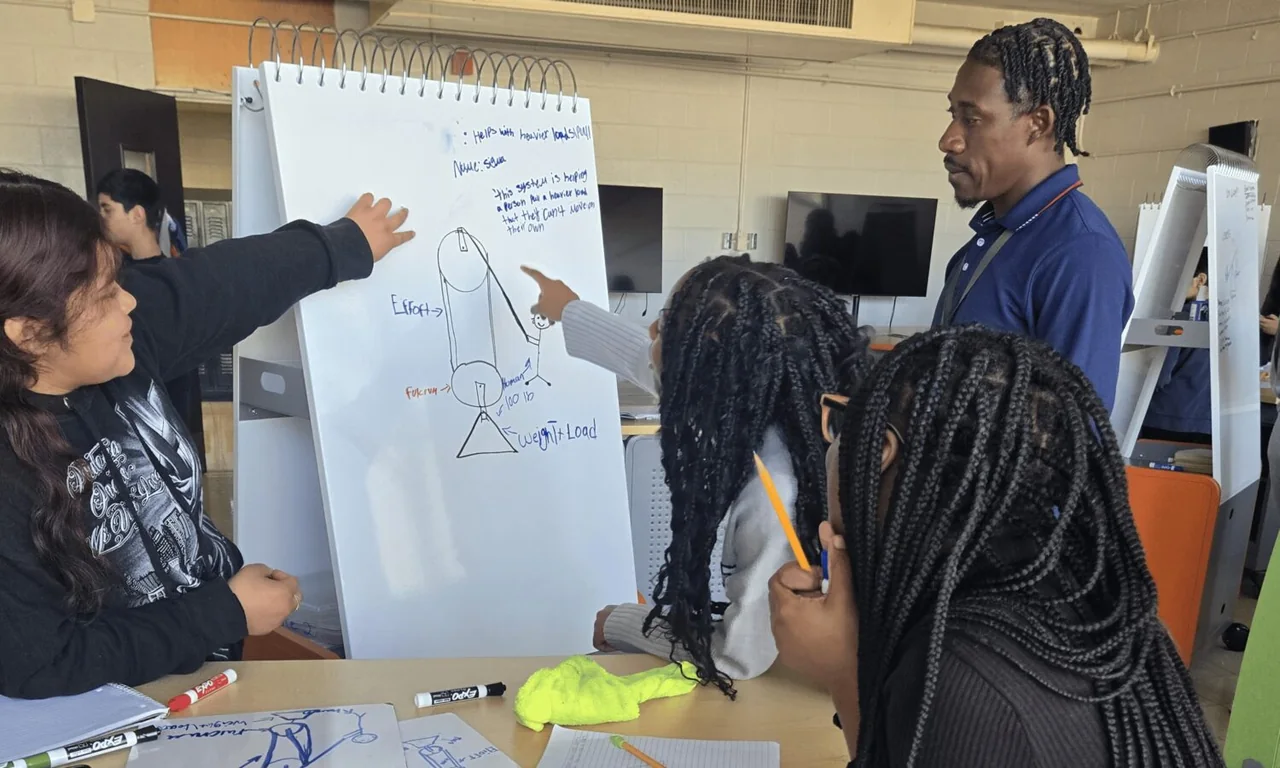
The creation of empowering futures through hands-on STEM education is gaining momentum among students and teachers alike.
This innovative approach is focused on providing a practical and engaging learning experience that fosters creativity, critical thinking, and problem-solving skills.
By incorporating real-world applications and projects into the curriculum, educators can help students develop a deeper understanding of complex concepts and make meaningful connections to their own lives.
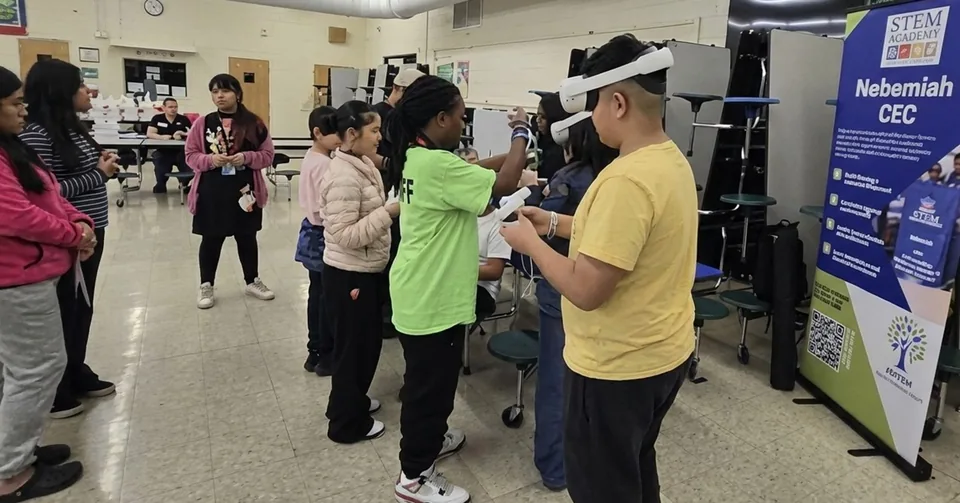
This shift towards experiential learning is driven in part by the recognition that traditional teaching methods may not be enough to prepare students for an increasingly complex and rapidly changing world.
As a result, teachers are seeking out new and innovative ways to engage their students and help them develop the skills they need to succeed in the 21st century.
Hands-on STEM education provides a unique opportunity for students to explore their interests and passions while developing valuable skills that can be applied in a wide range of contexts.
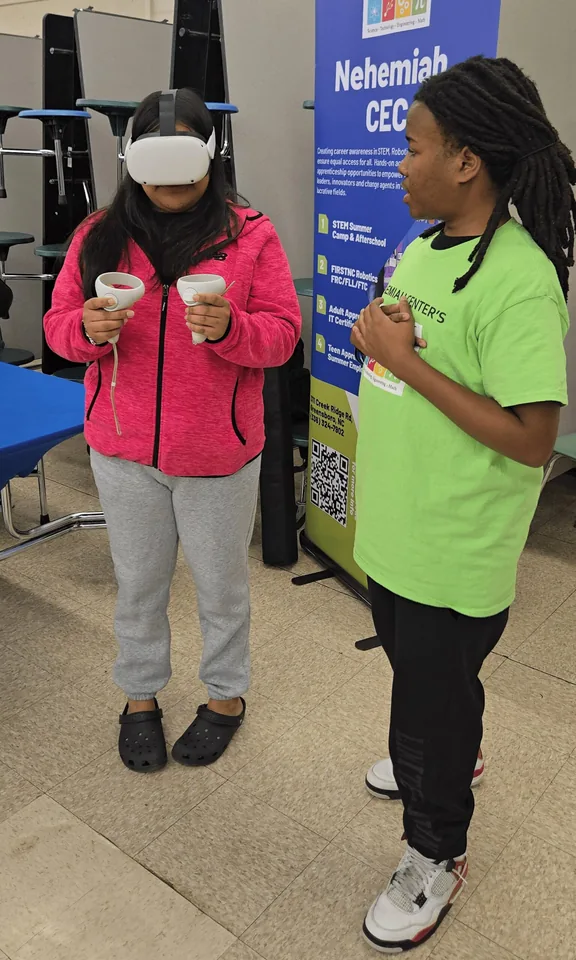
By empowering students with the knowledge and skills they need to succeed, educators are helping to create a more informed and engaged citizenry.
This approach is not only beneficial for individual students but also has broader societal implications, as it can help drive innovation and economic growth.
As the importance of STEM education continues to grow, it is likely that we will see even more innovative approaches emerge in the years to come.